
ShipStation Review What Ecommerce Businesses Need To Know Before Using It

Shipping is one of the most critical yet complex parts of running an ecommerce business. From managing orders across multiple channels to finding the best shipping rates, the process can quickly become inefficient and costly without the right system.
This is where ShipStation becomes essential.
ShipStation is a shipping and fulfillment platform designed to help ecommerce businesses manage, automate, and optimize their shipping operations. It solves a key problem. Many businesses struggle with fragmented workflows, manual label creation, and inconsistent tracking. ShipStation centralizes these processes into one system.
The platform is built for ecommerce sellers, online retailers, and growing brands that need to scale their fulfillment operations efficiently.
What Is ShipStation
ShipStation is a web based shipping software that helps businesses manage order fulfillment across multiple sales channels and carriers.
It is part of the ecommerce logistics ecosystem and is widely used by online retailers in regions such as the United States, United Kingdom, Canada, and Australia.
The platform integrates with ecommerce stores, marketplaces, and shipping carriers, allowing businesses to import orders, print labels, and track shipments from a centralized dashboard.
In the broader SaaS landscape, ShipStation sits within fulfillment and logistics software. Its core focus is helping businesses streamline shipping operations and reduce costs through automation and carrier optimization.
How ShipStation Works
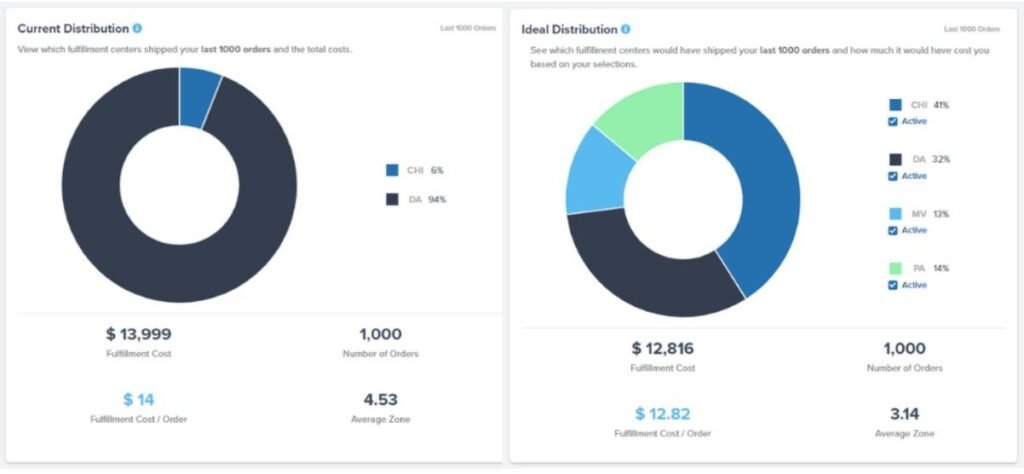

ShipStation follows a structured workflow that simplifies ecommerce shipping.
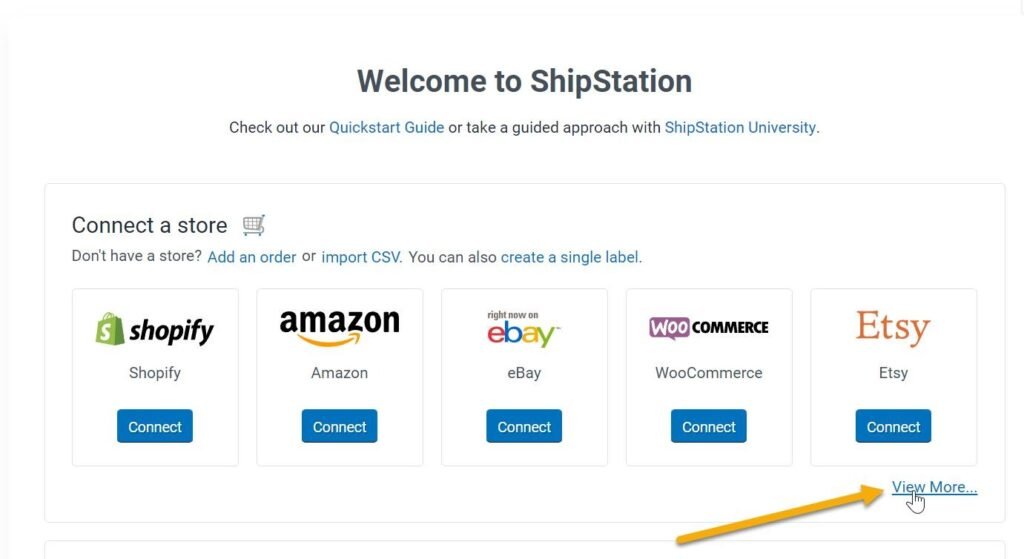
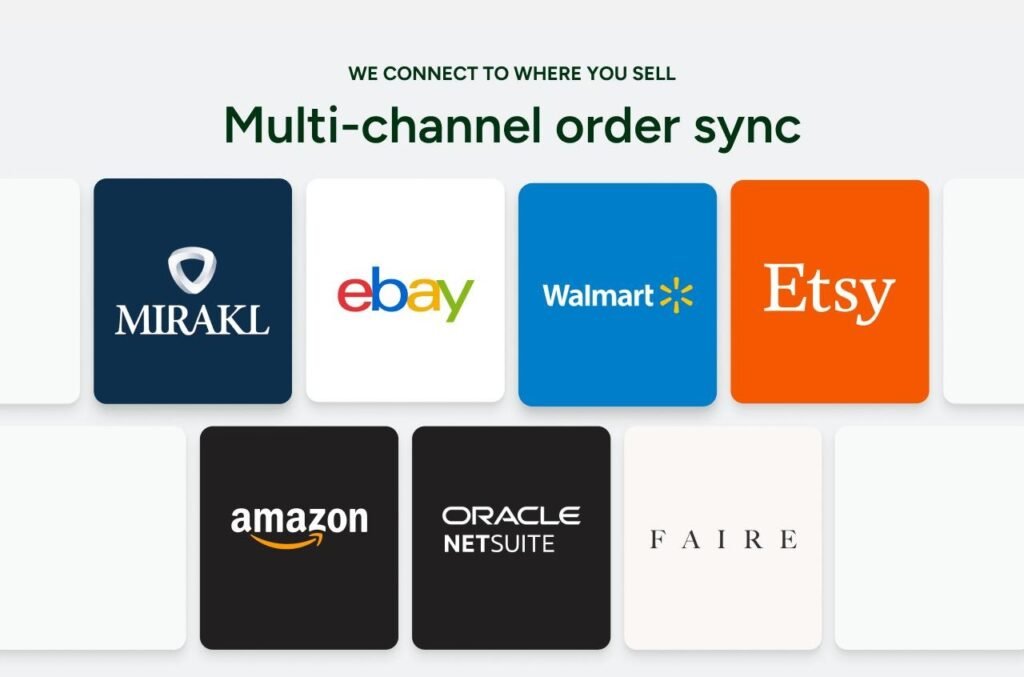
First, users connect their ecommerce stores and marketplaces. This allows ShipStation to automatically import orders from platforms like Shopify, Amazon, or eBay.
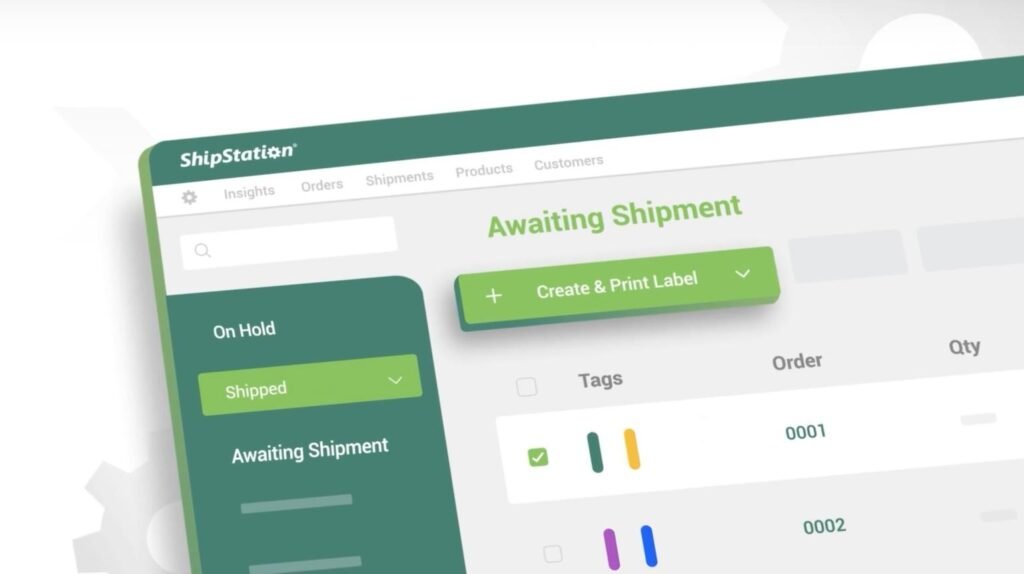
Next, orders are organized in a centralized dashboard. Users can filter, sort, and prioritize shipments based on criteria such as destination or shipping method.
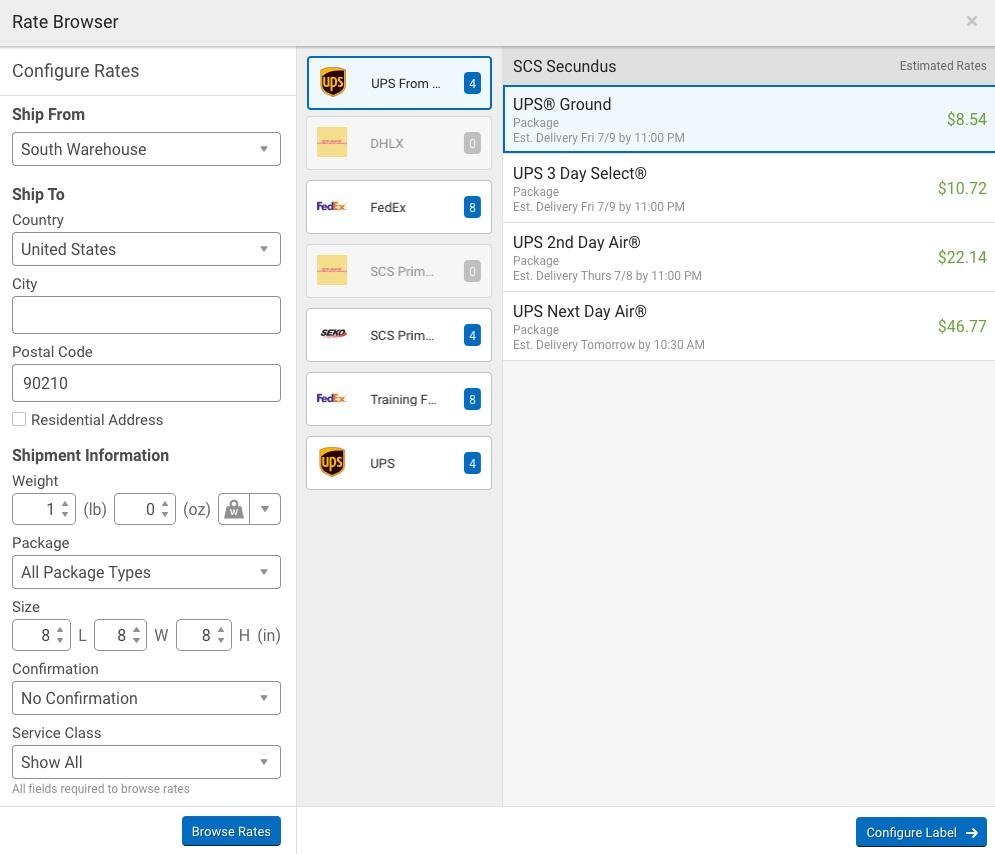
Shipping labels are then generated. The platform compares carrier rates and allows users to choose the most cost effective or fastest option.
Automation rules can be applied to streamline repetitive tasks. For example, labels can be generated automatically based on predefined conditions.
Once orders are shipped, tracking information is shared with customers. This keeps buyers informed and reduces support inquiries.
The entire process is designed to reduce manual work and improve fulfillment efficiency.
Core Features Overview
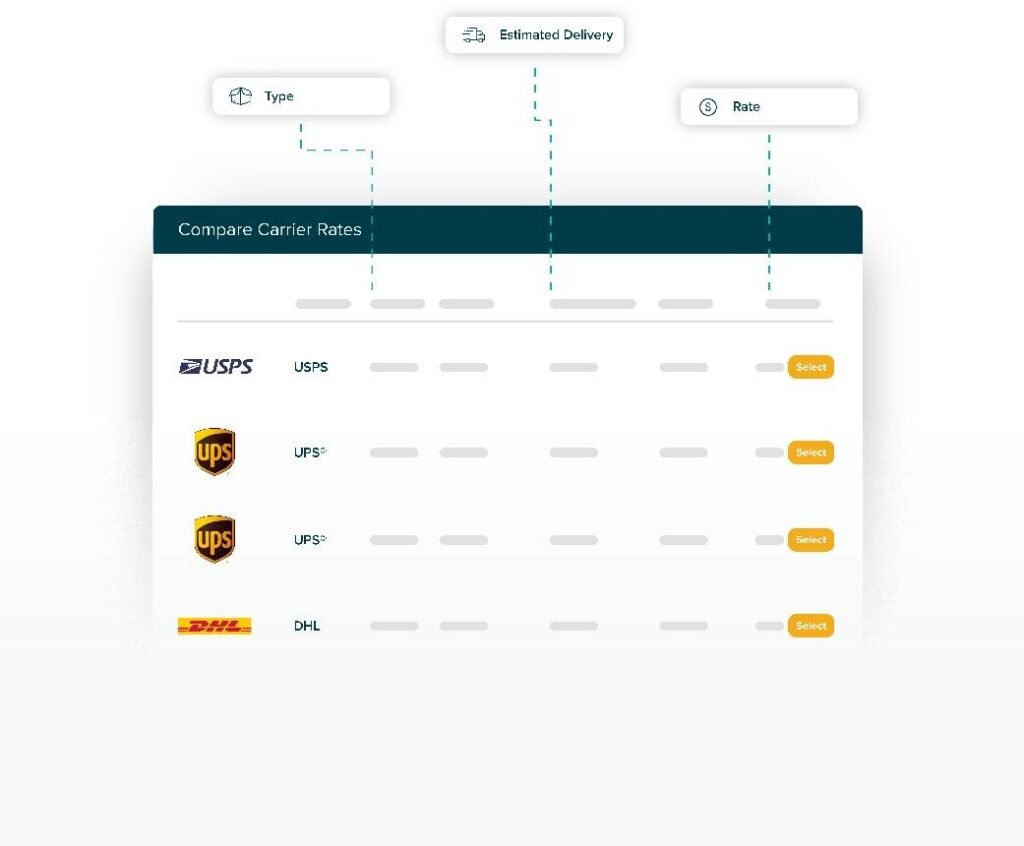
Multi Carrier Shipping
ShipStation connects with major carriers and allows businesses to compare rates in real time. This helps reduce shipping costs and improve delivery options.
Order Management
The platform consolidates orders from multiple sales channels into one interface. This eliminates the need to switch between systems.
Automation Tools
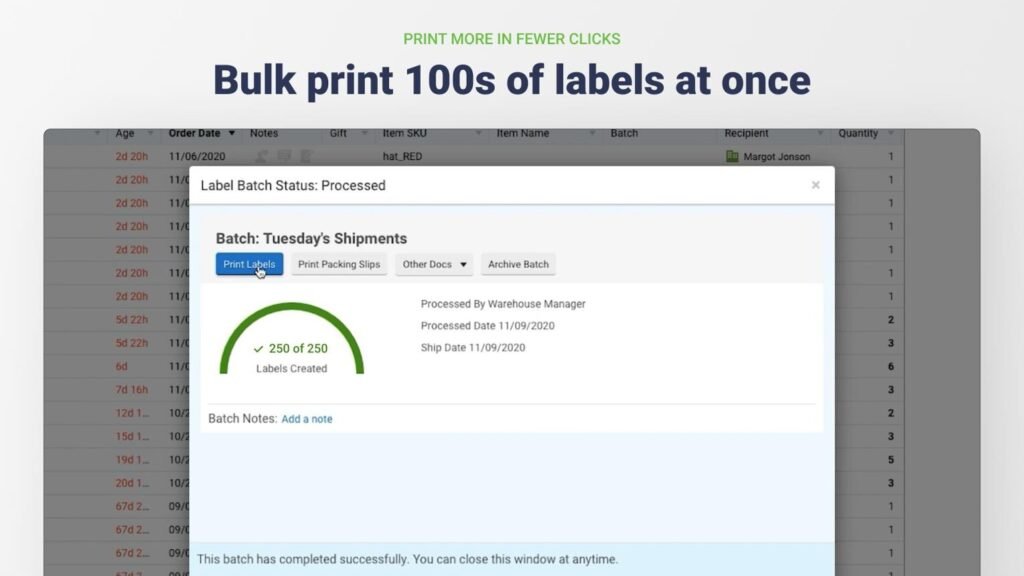
Automation features allow businesses to batch process orders, generate labels, and route shipments efficiently. This significantly reduces manual effort.
Tracking And Returns Management
ShipStation provides tracking updates and branded notifications. It also simplifies returns, improving the customer experience.
Key Benefits For Users

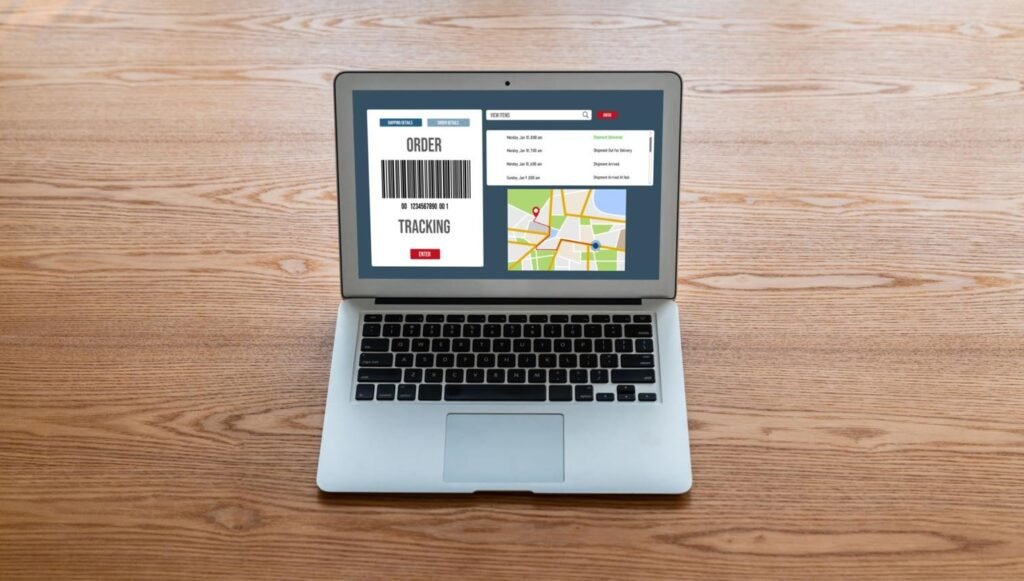
ShipStation delivers clear benefits for ecommerce businesses.
One major advantage is cost savings. Businesses can access discounted shipping rates and choose the most efficient carrier for each order.
Efficiency improves through automation. Tasks such as label creation and order processing are streamlined, saving time and reducing errors.
Scalability is another key benefit. As order volume increases, ShipStation can handle higher workloads without adding complexity.
Customer experience also improves. Real time tracking and branded updates enhance transparency and trust.
Who Should Use This Software
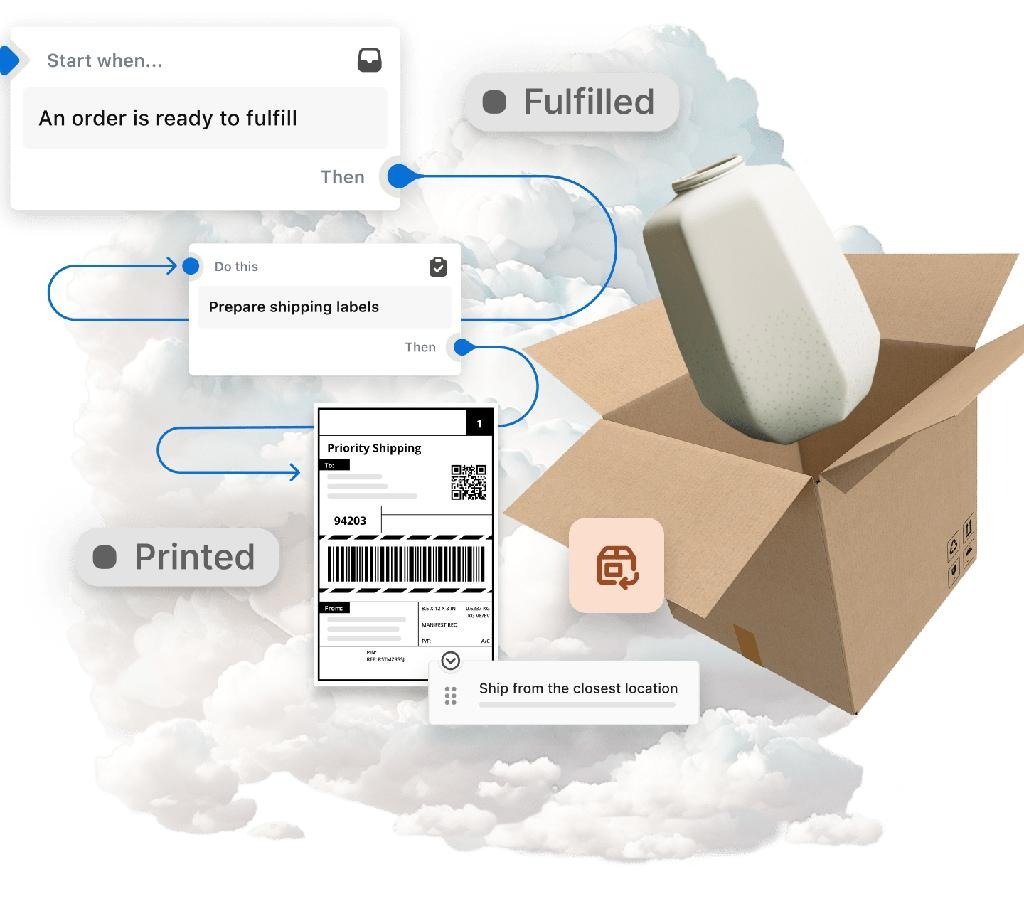
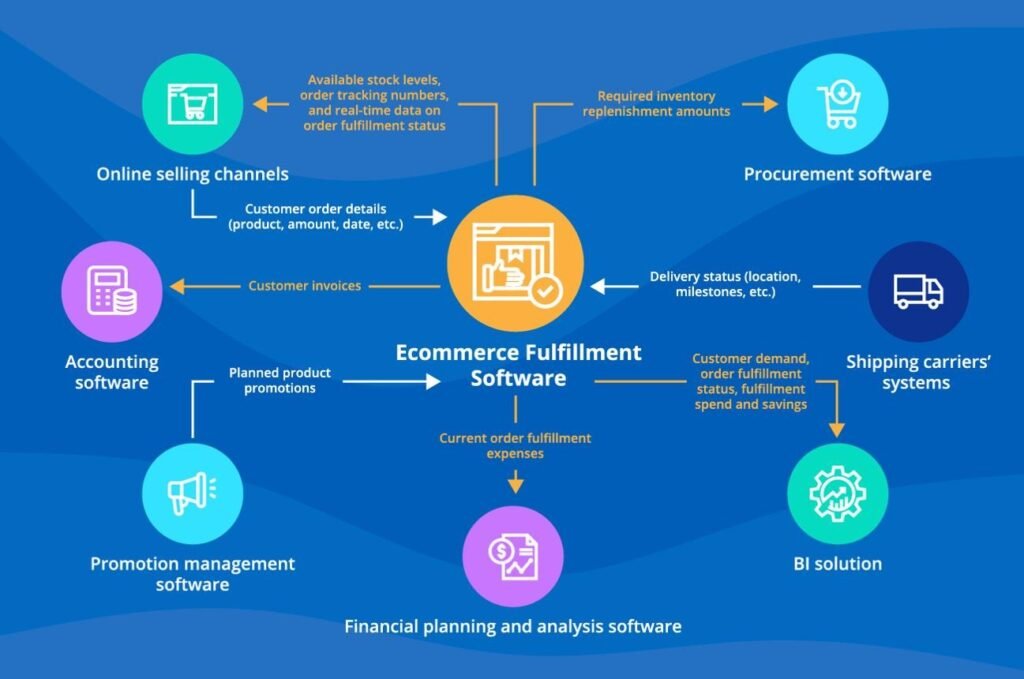

ShipStation is ideal for a wide range of ecommerce businesses.
Small businesses benefit from simplified shipping and cost savings.
Growing brands use it to scale fulfillment operations efficiently.
High volume sellers rely on automation and batch processing.
Third party logistics providers can use it to manage multiple clients and warehouses.
Use Cases And Real World Scenarios
A Shopify store owner uses ShipStation to manage all orders in one place, reducing time spent switching between platforms.
An Amazon seller automates label creation and tracking updates, improving efficiency.
A warehouse team processes hundreds of orders daily using batch printing and automation rules.
An ecommerce brand expands globally and uses ShipStation to manage international shipping, including customs documentation.
User Experience And Interface
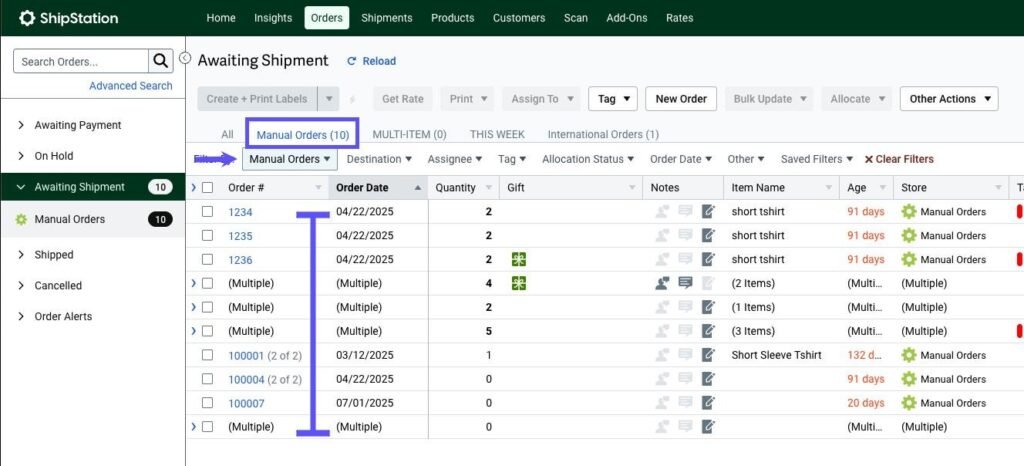
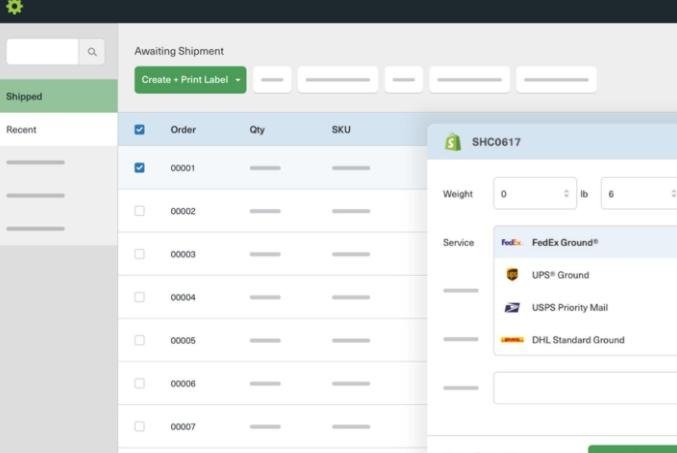
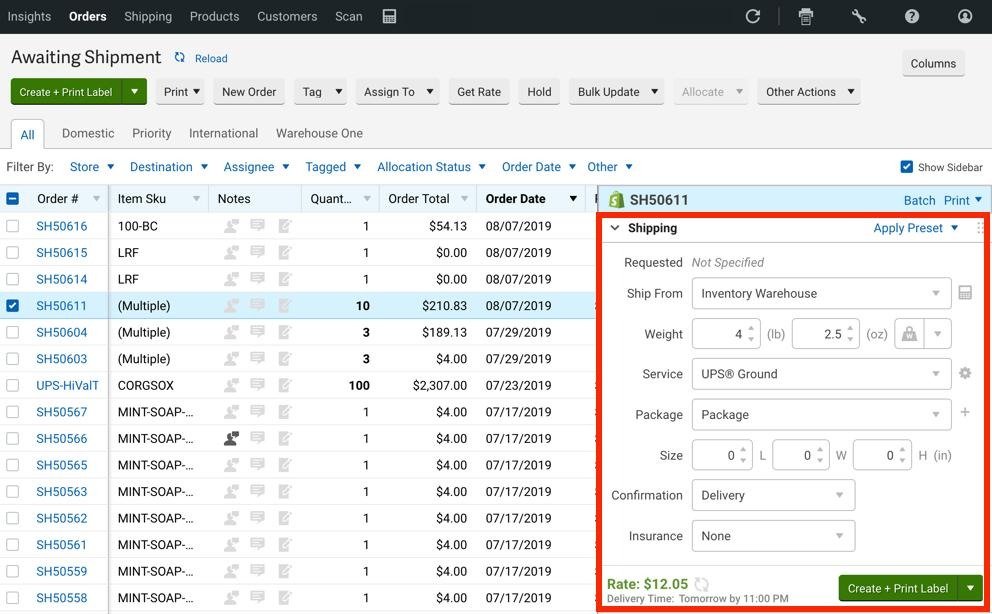
ShipStation offers a structured and functional interface.
The dashboard is designed for efficiency, with clear visibility into orders, shipments, and tracking.
The learning curve is moderate. Basic features are easy to use, but advanced automation may require setup time.
The interface prioritizes productivity over visual design, making it suitable for operational workflows.
Pricing And Plans Overview
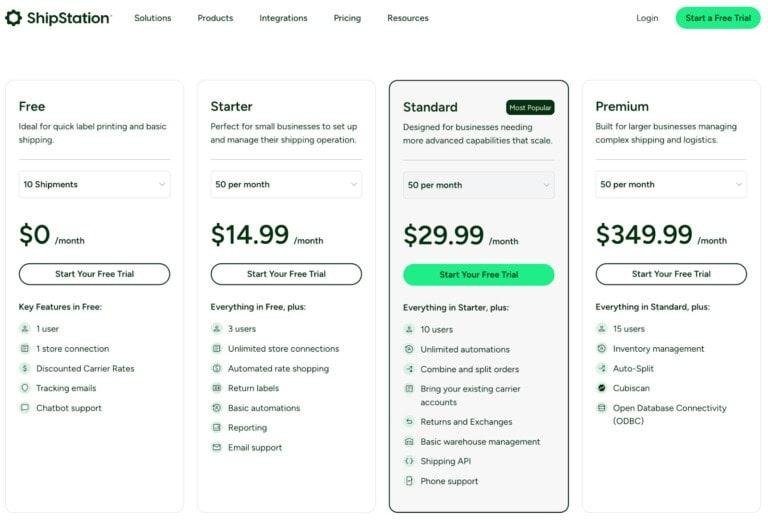
ShipStation uses a subscription based pricing model.
Plans typically vary based on monthly shipment volume and feature access.
Lower tier plans are suitable for small businesses, while higher tiers support high volume sellers and advanced features.
From a value perspective, the platform provides strong return on investment by reducing shipping costs and improving efficiency.
Pros And Cons
Pros
Strong multi carrier shipping capabilities
Automation reduces manual workload
Centralized order management across channels
Discounted shipping rates
Scalable for growing businesses
Cons
Learning curve for advanced features
Limited inventory management depth
Customer support quality may vary
Comparison With Similar Tools
ShipStation operates in a competitive shipping software market.
Shippo offers strong API based shipping solutions and discounted rates, making it attractive for developers and startups.
Easyship focuses heavily on international shipping and global logistics, with built in tax and duty calculations.
ShipStation differentiates itself with a balance of usability, automation, and broad integrations. It is particularly strong for multi channel ecommerce sellers.
Buying Considerations For Decision Makers
Decision makers should evaluate several factors before adopting ShipStation.
Budget should align with shipping volume and expected savings.
Integration is critical. The platform must connect with ecommerce stores, marketplaces, and carriers.
Adoption requires training, especially for automation features.
Scalability ensures the platform can support business growth and increasing order volume.
Security Privacy And Compliance

ShipStation is a cloud based platform that follows standard security practices.
This includes secure data handling, encrypted communications, and controlled access to systems.
Businesses should ensure compliance with local regulations and internal policies when handling customer data.
Support And Documentation
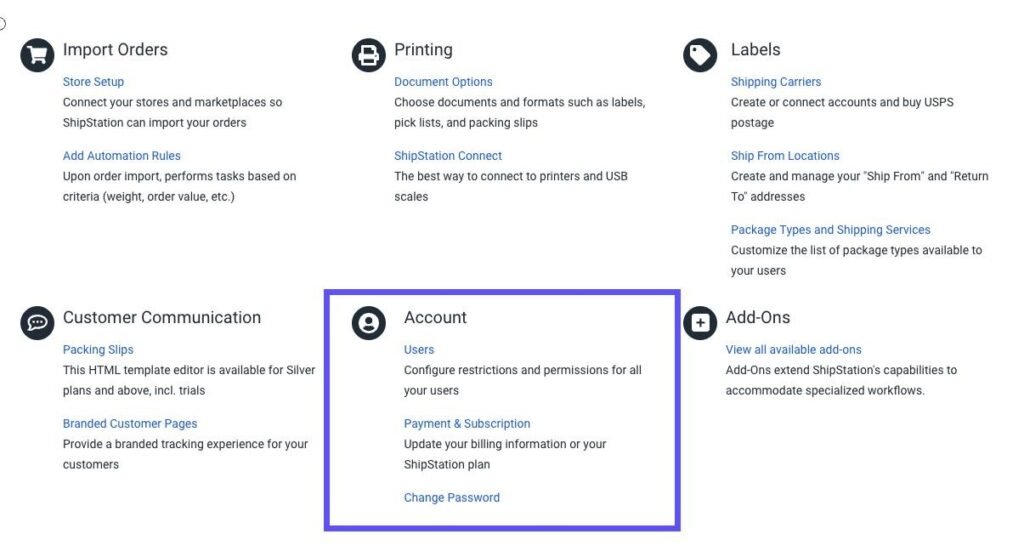
ShipStation provides onboarding resources and support options.
Users can access help centers, tutorials, and documentation to learn the platform.
Support channels may include chat, email, and knowledge base resources.
Enterprise users may receive dedicated onboarding and support services.
Frequently Asked Questions
What Is ShipStation Used For
ShipStation is used to manage ecommerce shipping, create labels, and track orders across multiple channels.
Does ShipStation Work With Shopify And Amazon
Yes, it integrates with major ecommerce platforms and marketplaces.
Can ShipStation Reduce Shipping Costs
Yes, it provides rate comparison and discounted carrier options.
Is ShipStation Good For Small Businesses
Yes, it is suitable for both small businesses and large ecommerce operations.
Does ShipStation Support International Shipping
Yes, it supports global shipping with customs and tax management features.
Conclusion
ShipStation is a powerful and scalable shipping solution for ecommerce businesses.
It is best suited for companies that need to streamline fulfillment, reduce shipping costs, and manage multi channel operations efficiently.
While it may require some setup and learning for advanced features, the long term benefits in efficiency and scalability make it a strong choice.
For ecommerce businesses focused on growth and operational efficiency, ShipStation is a highly valuable platform.