Cloud AI Review What Businesses Need To Know Before Adopting AI In The Cloud

Artificial intelligence is no longer a luxury reserved for tech giants. Today, cloud AI has made advanced machine learning and intelligent automation accessible to organisations of every size, across every industry. Whether you are running a retail chain in Sydney, a financial services firm in London, or a growing SaaS startup in Toronto, cloud AI is fundamentally changing how businesses operate, compete, and serve their customers.
This cloud AI review is written for decision makers who want honest, in depth guidance before committing to an AI cloud platform. With so many vendors promising transformative results, it can be difficult to separate real value from marketing noise. This guide cuts through the confusion and gives you a clear picture of what cloud AI actually delivers, how it works, what it costs, and whether it is the right fit for your organisation.
If you are evaluating cloud AI solutions for the first time or reconsidering your current setup, you are in the right place. Read on for a complete, balanced, and actionable assessment.
What Is Cloud AI

Cloud AI is the integration of artificial intelligence technologies into cloud computing platforms. It allows businesses to access machine learning models, data processing tools, and AI services without managing physical infrastructure.
Cloud AI refers to the delivery of artificial intelligence tools, models, and infrastructure through public cloud environments. Instead of building and maintaining expensive on premises servers to run AI workloads, businesses access pre built models, computing resources, and data processing pipelines through the internet on a pay as you go basis.
At its core, cloud AI combines the raw computational power of hyperscale data centres with sophisticated machine learning frameworks. Major cloud providers including Amazon Web Services, Microsoft Azure, and Google Cloud Platform each offer their own cloud AI ecosystems, providing everything from natural language processing (NLP) and computer vision to predictive analytics and generative AI.
Cloud AI is positioned at the intersection of two rapidly growing markets: cloud computing and artificial intelligence. For businesses operating in competitive Tier 1 markets such as the United States, United Kingdom, Canada, and Australia, adopting cloud AI is increasingly seen not as an option but as a strategic necessity.
How Cloud AI Works: A Step By Step Overview
Understanding how cloud AI actually functions helps you make more informed purchasing decisions. The process typically follows a clear, logical flow from data ingestion through to actionable output.
Step 1: Data Collection And Storage
Cloud AI begins with data. Organisations upload their structured and unstructured data to cloud based storage systems such as data lakes or data warehouses. These systems are designed to handle massive volumes of information securely and efficiently.
Step 2: Data Preparation And Cleaning
Raw data is rarely clean enough to train AI models directly. Cloud AI platforms provide automated tools to standardise, deduplicate, and enrich data before it enters the training pipeline. This step is critical to model accuracy.
Step 3: Model Training And Deployment
Once data is prepared, businesses can either use pre trained models available through the platform or train their own custom models. Automated machine learning pipelines simplify this process significantly, reducing what was once a months long undertaking to a matter of days or weeks.
Step 4: Inference And Real Time Analytics
Trained models are deployed as inference engines, processing live data and returning predictions or recommendations in real time. This is where cloud AI creates direct business value, whether that means detecting fraud in a financial transaction, recommending a product to a shopper, or diagnosing an anomaly in manufacturing equipment.
Step 5: Monitoring And Iteration
Cloud AI platforms include monitoring dashboards that track model performance over time. As new data flows in, models can be retrained and updated automatically, ensuring they remain accurate and relevant.

Core Features Of Cloud AI Platforms
Not all cloud AI platforms are created equal. However, the best solutions share a common set of core capabilities that deliver real business value.
Pre Built AI Models And APIs
Leading cloud AI providers offer a rich library of pre trained models accessible via application programming interfaces (APIs). These cover common use cases such as sentiment analysis, image recognition, speech to text conversion, and language translation. Businesses can integrate these capabilities into their existing workflows without any data science expertise.
Automated Machine Learning (AutoML)
AutoML tools allow non technical users to build custom AI models by automating the most complex steps in the machine learning pipeline. This democratises access to advanced AI and dramatically reduces time to deployment.
Scalable Compute Infrastructure
Cloud AI platforms run on hyperscale infrastructure that can scale horizontally to handle enormous workloads. This elasticity means businesses only pay for the compute resources they actually use, making cloud AI cost effective for both small experiments and large scale production deployments.
Data Integration And Management
Comprehensive data management tools unify data from disparate sources, creating a single trusted dataset for AI training. Integration with popular enterprise systems including CRM platforms, ERP software, and data warehouses ensures cloud AI fits seamlessly into existing operations.
Security And Compliance Controls
Enterprise grade security features include data encryption at rest and in transit, role based access controls, audit logging, and compliance certifications for standards such as GDPR, HIPAA, and ISO 27001.
Key Benefits Of Cloud AI For Businesses

The business case for cloud AI is compelling. Here are the most meaningful advantages organisations in Tier 1 markets are experiencing today.
Faster Time To Value: Pre built models and automated pipelines reduce deployment timelines from months to weeks, allowing businesses to realise return on investment quickly.
Lower Total Cost Of Ownership: Eliminating the need for on premises AI infrastructure removes large capital expenditure. Subscription based pricing and pay as you go models improve financial predictability.
No Data Science Team Required: Cloud AI platforms abstract away much of the technical complexity, enabling business analysts and domain experts to build and use AI models without specialist engineering skills.
Continuous Improvement: Cloud hosted models benefit from ongoing updates and improvements by the platform provider, meaning businesses always have access to the latest advancements in AI research.
Enterprise Scalability: As your data volumes and user base grow, cloud AI scales with you automatically, without requiring hardware upgrades or IT overhauls.
Who Should Use Cloud AI

Cloud AI is suitable for a wide range of organisations, but it delivers the greatest value in specific contexts. Consider whether your organisation fits one of the following profiles.
- Mid to large enterprises seeking to automate repetitive workflows and gain predictive insights from existing data
- Retail and e commerce businesses wanting to personalise customer experiences at scale
- Financial services firms requiring real time fraud detection and risk modelling
- Healthcare organisations looking to improve diagnostic accuracy and streamline administrative tasks
- Manufacturing companies aiming to reduce equipment downtime through predictive maintenance
- SaaS companies looking to embed AI features into their products without building infrastructure from scratch
- Educational institutions seeking to personalise learning and automate grading workflows
Cloud AI is less suitable for very small businesses with minimal data assets or organisations in heavily regulated environments where data sovereignty requirements prevent cloud storage entirely.
Use Cases And Real World Scenarios

Retail: Personalisation At Scale
A mid sized e commerce retailer in Canada implemented cloud AI to power its product recommendation engine. By analysing purchase history, browsing behaviour, and demographic data, the platform now delivers individualised product suggestions to each visitor. The result was a measurable increase in average order value and a significant reduction in cart abandonment rates.
Finance: Real Time Fraud Prevention
A regional bank in the United Kingdom deployed cloud AI to monitor transactions in real time. The system flags unusual patterns instantly, reducing fraud losses and enabling compliance teams to investigate anomalies within minutes rather than days.
Healthcare: Accelerated Diagnostics
A hospital network in Australia integrated cloud AI into its radiology workflow. AI assisted image analysis supports radiologists by highlighting potential areas of concern in scans, reducing review times and improving early detection rates for several conditions.
Manufacturing: Predictive Maintenance
A manufacturer in the United States connected its factory floor sensors to a cloud AI platform. The system analyses equipment performance data continuously and alerts maintenance teams before failures occur, cutting unplanned downtime and extending machinery lifespan.
User Experience And Interface Quality
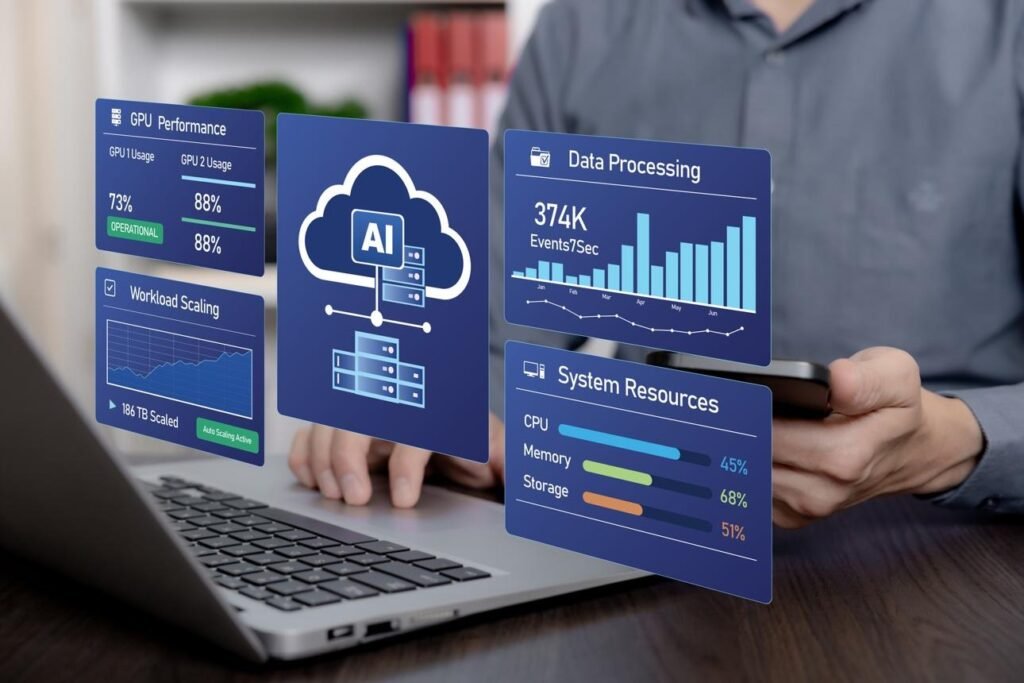
The usability of a cloud AI platform matters as much as its technical capabilities. A solution that requires extensive configuration or specialist knowledge creates adoption barriers that undermine the business case for investment.
Leading platforms such as Google Vertex AI, Azure Machine Learning, and AWS SageMaker have invested heavily in improving their user interfaces. Drag and drop model building tools, visual data pipelines, and pre configured templates have lowered the learning curve considerably. Most platforms now offer a no code or low code experience for common use cases alongside more advanced developer environments for custom workloads.
Accessibility is another consideration. The best cloud AI tools are designed to be used by business analysts, product managers, and customer experience teams, not just data scientists. Role based interfaces that surface relevant features to each user type significantly improve day to day adoption.
Pricing And Plans: What To Expect
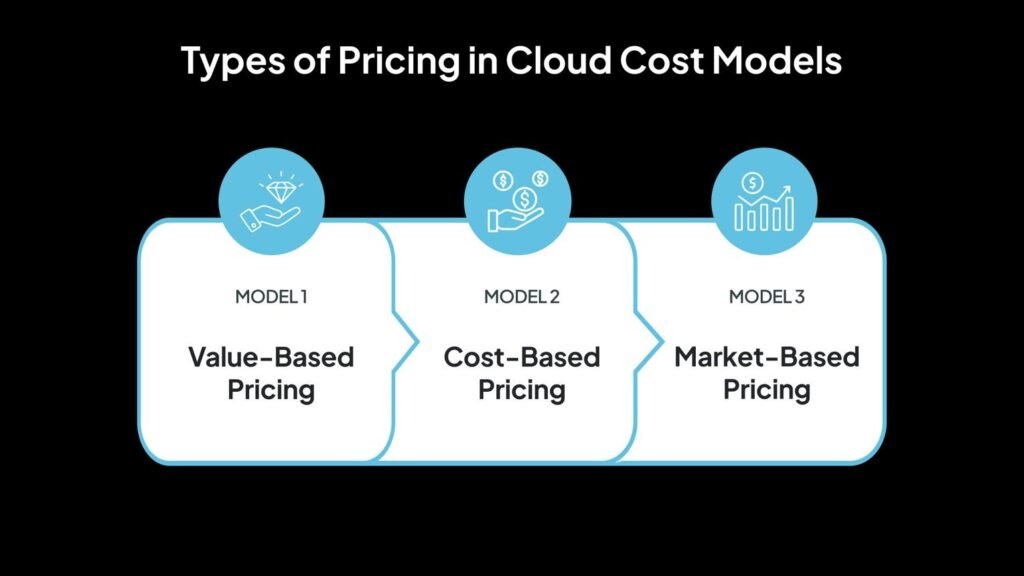
Cloud AI pricing varies widely depending on the provider, the types of models used, and the volume of data processed. Most platforms follow one of three pricing structures.
Pay As You Go
Charges are based on actual consumption, including compute time, API calls, and data storage. This model suits businesses with variable or unpredictable workloads and is ideal for early stage experimentation.
Subscription Tiers
Fixed monthly or annual plans offer a set allocation of resources at a predictable price. Tiered plans typically range from entry level options suitable for small teams through to enterprise plans with dedicated support and advanced security features.
Enterprise Custom Pricing
Large organisations with significant AI workloads often negotiate bespoke contracts directly with cloud providers. These agreements typically include volume discounts, service level guarantees, and dedicated account management.
When evaluating total cost, factor in data egress fees, model training costs, storage charges, and any additional charges for compliance or support features. Total cost of ownership calculations should also account for the internal time saved by automating previously manual processes.
Pros And Cons Of Cloud AI
Pros
- Rapid deployment with pre built models and automated pipelines
- No need for large upfront hardware investment
- Scales automatically to meet changing demand
- Regular platform updates ensure access to the latest AI capabilities
- Strong security and compliance frameworks from major providers
- Broad ecosystem of integrations with popular enterprise software
Cons
- Ongoing subscription costs can accumulate significantly at scale
- Data sovereignty concerns for organisations in regulated industries
- Vendor lock in risk when migrating between providers
- Model accuracy depends heavily on the quality of training data
- Limited customisation options on some pre built models
- Latency issues can arise for real time applications with large data volumes
How Cloud AI Compares To On Premises AI And Traditional Software
Organisations evaluating cloud AI often compare it against two alternatives: building and running AI infrastructure on premises, or relying on traditional rule based software.
On premises AI offers maximum control over data and infrastructure but requires substantial capital investment, specialist engineering talent, and ongoing maintenance. It suits organisations with extreme data sensitivity requirements or very high and predictable AI workloads where long term ownership costs justify the upfront investment.
Traditional software solves specific, well defined problems using deterministic logic. It is reliable and transparent but cannot learn from data or adapt to changing patterns. Cloud AI excels precisely where traditional software struggles: in environments with complex, variable inputs that require continuous learning.
Within the cloud AI market itself, the major differentiators between platforms include the depth of the pre trained model library, the quality of AutoML tooling, the strength of ecosystem integrations, regional data residency options, and the quality of customer support.
Buying Considerations For Decision Makers

Before committing to a cloud AI platform, decision makers should work through a structured evaluation process that covers the following areas.
Data Readiness: Assess the volume, quality, and accessibility of your existing data. Cloud AI delivers the best results when training data is clean, well labelled, and representative of real world conditions.
Integration Requirements: Map your existing software stack and identify the integrations you need. Prioritise platforms with native connectors to your CRM, ERP, and data warehouse tools.
Team Capability: Evaluate the technical skill level of the team who will manage and use the platform. If data science expertise is limited, prioritise platforms with strong AutoML and no code features.
Budget And ROI Horizon: Set a clear budget for both initial implementation and ongoing operational costs. Define the metrics you will use to measure return on investment and establish a realistic timeframe for payback.
Long Term Scalability: Choose a platform that can grow with your organisation. Evaluate the provider’s roadmap, pricing at scale, and the flexibility to adopt new AI capabilities as they become available.
Security, Privacy, And Compliance

Data security is one of the most important factors in any cloud AI evaluation, particularly for organisations handling sensitive customer or patient information. The major cloud AI providers invest heavily in security infrastructure, but the responsibility for data governance does not rest entirely with the vendor.
Key questions to ask any cloud AI provider include: Where is data stored geographically? How is data encrypted in transit and at rest? What access controls are available? How is training data used after model deployment? What compliance certifications does the platform hold?
Organisations subject to regulations such as GDPR in the European Union, HIPAA in the United States, or the Australian Privacy Act should conduct a thorough data protection impact assessment before migrating sensitive datasets to any cloud AI environment. Hybrid cloud architectures, where sensitive data remains on premises while AI workloads run in the cloud, can offer a practical compromise.
Support And Documentation
The quality of post purchase support is a key differentiator between cloud AI platforms, particularly for organisations that are new to AI adoption. Evaluate each provider against the following criteria.
- Availability of technical documentation, tutorials, and getting started guides
- Access to community forums and developer networks
- Response time commitments for technical support tickets
- Availability of dedicated account managers for enterprise customers
- Quality and frequency of platform training and certification programmes
Platforms with strong documentation ecosystems and active developer communities typically offer a significantly smoother onboarding experience. User reviews across independent SaaS review platforms consistently highlight support quality as a critical factor in long term satisfaction with cloud AI tools.
Conclusion
Cloud AI represents one of the most significant technological shifts available to modern organisations. For businesses in Tier 1 markets looking to accelerate digital transformation, improve customer experiences, and drive operational efficiency, cloud AI offers a compelling and increasingly accessible path forward.
The strongest cloud AI platforms combine powerful pre trained models, intuitive AutoML tooling, enterprise grade security, and deep integration ecosystems. They enable organisations to move from data to insight to action faster than any on premises alternative, at a fraction of the traditional cost.
That said, successful cloud AI adoption requires realistic expectations, clean data, clear use cases, and a deliberate approach to security and compliance. Organisations that rush to deploy without adequate preparation often find themselves disappointed by outcomes that fall short of vendor promises.
For most mid to large enterprises, cloud AI is not a question of if but when and how. This review should give you the foundational knowledge to approach that question with confidence.
Frequently Asked Questions
What Is The Difference Between Cloud AI And Traditional AI Software?
Traditional AI software runs on dedicated hardware that you own and manage. Cloud AI delivers AI capabilities through the internet via shared infrastructure managed by the provider, eliminating the need for hardware investment and enabling flexible scaling.
Do I Need A Data Science Team To Use Cloud AI?
Not necessarily. Many cloud AI platforms now offer no code and low code tools that allow business analysts and product teams to build and deploy AI models without engineering expertise. However, more complex or custom use cases will benefit from specialist data science skills.
How Secure Is Cloud AI For Sensitive Business Data?
Leading cloud AI providers implement enterprise grade security including encryption, access controls, and compliance certifications. However, organisations in regulated industries should conduct their own data protection assessments and consider hybrid cloud architectures where appropriate.
How Long Does It Take To Deploy A Cloud AI Solution?
Deployment timelines vary depending on the complexity of the use case and the readiness of your data. Using pre built models and APIs, simple applications can go live in days or weeks. Custom model development and enterprise wide deployments typically take several months.
Can Cloud AI Integrate With My Existing Software Stack?
Yes. Major cloud AI platforms offer extensive integration libraries with popular CRM, ERP, marketing automation, and data warehouse tools. Pre built connectors and open APIs make integration straightforward in most cases.
What Happens To My Data After I Train An AI Model?
Data handling policies vary by provider. It is essential to review the provider’s data processing agreement carefully and ensure that your training data is not used to train models for other customers without your explicit consent.