

Hume AI Review What Developers and Enterprises Should Know

Artificial intelligence is evolving beyond automation and analytics. Today, organizations want systems that understand people, not just data. This is where hume ai enters the conversation.
Businesses increasingly rely on digital communication. Customer service chats. Virtual assistants. Remote collaboration tools. Yet many systems still miss one essential element, human emotion. Without emotional intelligence, AI can feel robotic, tone deaf, or disconnected.
Hume ai addresses this gap. It is an AI platform focused on emotion understanding and expression. It helps developers and enterprises build applications that recognize vocal tone, facial expression, and language signals to better interpret human intent.
The problem it solves is clear. Digital systems struggle to understand how people feel. This leads to poor customer experiences, miscommunication, and missed engagement opportunities.
Hume ai is designed for developers, product teams, enterprise innovation leaders, and organizations building next generation AI applications. Primary use cases include conversational AI, mental wellness tools, customer support systems, and human centered research platforms.
If your organization is exploring emotionally intelligent AI, this review will help you determine whether hume ai fits your strategy.
What Is Hume AI
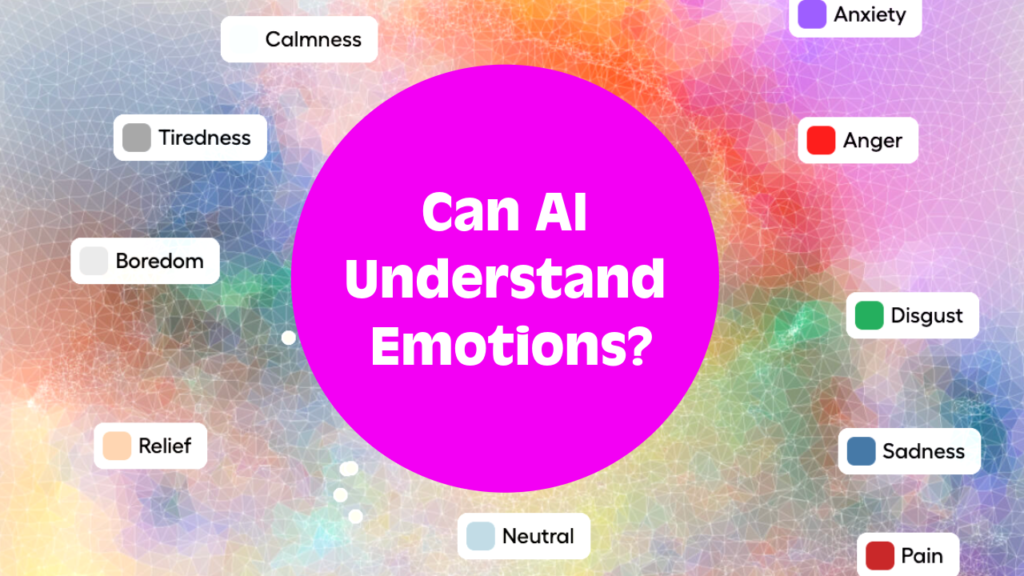
Hume AI is a technology company focused on building artificial intelligence systems that understand and respond to human emotion. The platform provides APIs and developer tools that analyze voice, facial expressions, and language to infer emotional states.
At its core, hume ai aims to create more empathetic AI systems. Rather than focusing purely on transactional automation, it prioritizes emotional alignment between machines and humans.
The company positions itself within the affective computing space, a field that blends psychology, machine learning, and human computer interaction. Within the broader SaaS and emerging AI infrastructure landscape, hume ai sits alongside developer focused AI platforms, but with a distinct emphasis on emotional intelligence.
For enterprises investing in advanced conversational systems, hume ai represents a specialized layer that enhances human interaction rather than replacing it.
How Hume AI Works
Understanding how hume ai works reduces implementation friction and helps technical teams visualize integration.
Step One Initial Setup
Developers sign up for access and obtain API credentials. The platform offers documentation and SDK resources to integrate emotion recognition capabilities into applications.
Step Two Data Input
The system processes different input types:
• Voice recordings
• Live audio streams
• Text content
• Video or facial imagery
These inputs are sent to the hume ai API for analysis.
Step Three Emotion Analysis
The AI models analyze signals such as tone, pitch, word choice, facial micro expressions, and other behavioral cues. It then returns structured emotional metrics and predictions.
Step Four Application Integration
Developers use the returned data to power features like:
• Adaptive chatbot responses
• Emotion aware voice assistants
• Wellness monitoring dashboards
• Sentiment informed customer support routing
Daily usage typically involves automated API calls embedded in workflows. Once integrated, the system runs in the background, continuously analyzing interaction data.
For enterprises, the technical lift is manageable, provided the development team is comfortable working with APIs and machine learning outputs.
Core Features Overview
Emotion Recognition Across Modalities
Hume ai analyzes voice, text, and facial signals. This multi modal capability increases accuracy and allows richer emotional interpretation. It matters because humans express emotion in layered ways, not just through words.
Voice Analysis
The voice analysis engine evaluates tone, pacing, and acoustic features. For call centers or voice assistants, this enables systems to detect frustration, confusion, or satisfaction in real time.
Facial Expression Insights
For video based applications, hume ai interprets facial expressions. This supports research studies, learning platforms, and engagement analytics tools.
Text Emotion Analysis
Beyond simple sentiment scoring, the platform analyzes nuanced emotional signals in written communication. This is valuable for chat support, social listening, and internal communications analysis.
Developer Friendly API Infrastructure
Hume ai provides structured responses that integrate into modern software stacks. This ensures scalability for enterprise grade deployment.
Each feature solves a real problem. Organizations can move from reactive communication to emotionally responsive interaction.
Key Benefits For Users
Improved Customer Experience
Emotion aware systems adapt tone and content dynamically. This can increase satisfaction and reduce friction in customer interactions.
Time Savings Through Automation
Support teams can prioritize cases based on emotional intensity. This reduces manual triage effort.
Better Engagement
Marketing and product teams gain deeper insight into user sentiment. This leads to stronger messaging and improved retention.
Enhanced Human Centered Design
By analyzing emotional responses, teams can refine user experiences more effectively.
Scalability
Because hume ai operates via APIs, it scales with enterprise systems. Organizations can deploy emotion intelligence across multiple products without rebuilding infrastructure.
The benefits move beyond novelty. They translate into measurable operational and engagement improvements.
Who Should Use This Software
Hume ai is not designed for casual users. It is built for:
• Developers building AI driven applications
• Enterprises investing in conversational AI
• Research institutions studying emotion and behavior
• Mental health technology startups
• Customer experience innovation teams
Organizations with medium to large engineering capacity will benefit most. It fits particularly well in industries such as healthcare technology, education technology, customer support platforms, and enterprise SaaS solutions.
If your team lacks technical integration capacity, implementation may require additional resources.
Use Cases And Real World Scenarios
Customer Support Optimization
A support platform integrates hume ai into voice calls. The system detects rising frustration and automatically escalates high risk conversations to senior agents.
Digital Mental Wellness Tools
A wellness app analyzes vocal patterns during user journaling sessions to identify stress indicators and offer personalized coping exercises.
Classroom Engagement Monitoring
In virtual learning environments, emotion analysis helps educators assess engagement levels across remote participants.
Product Testing Research
User research teams use emotion tracking during product demos to measure authentic reactions rather than relying solely on surveys.
These scenarios demonstrate practical value rather than theoretical potential.
User Experience And Interface
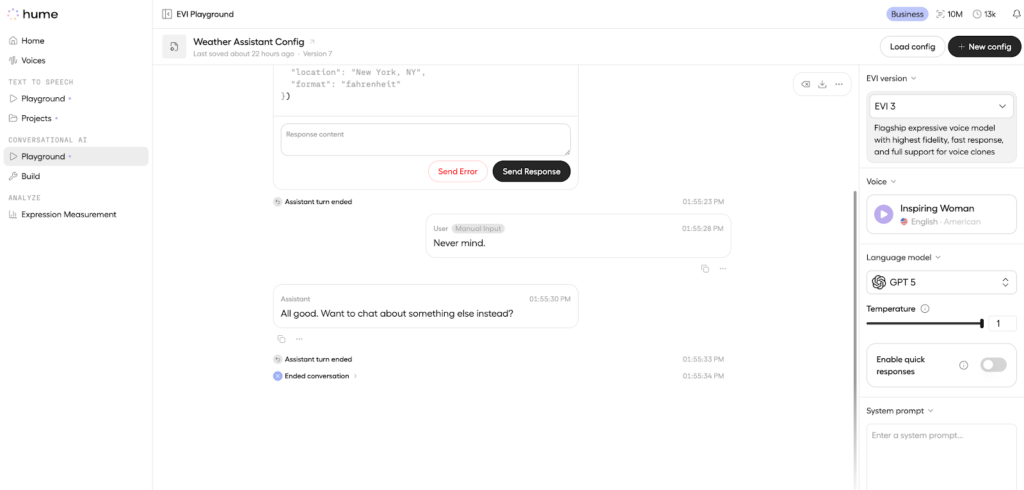
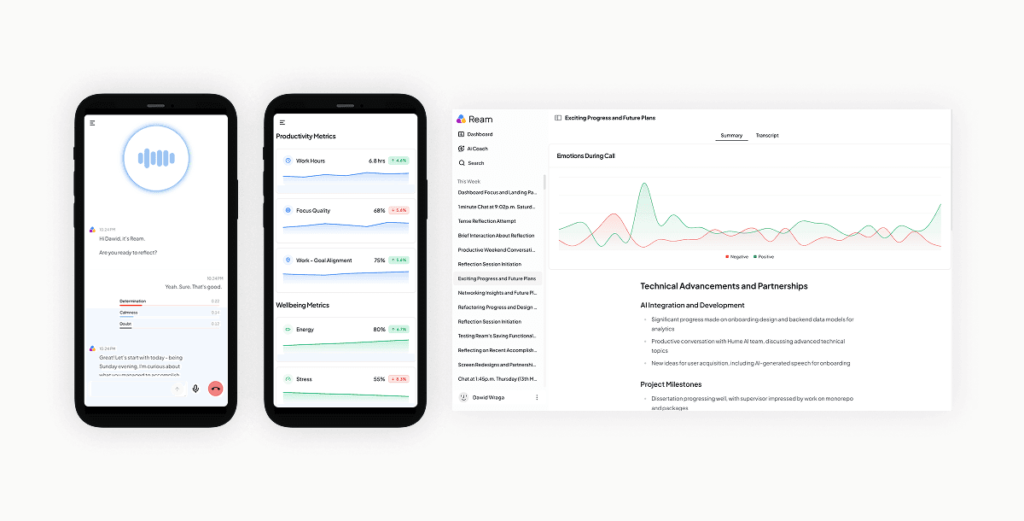
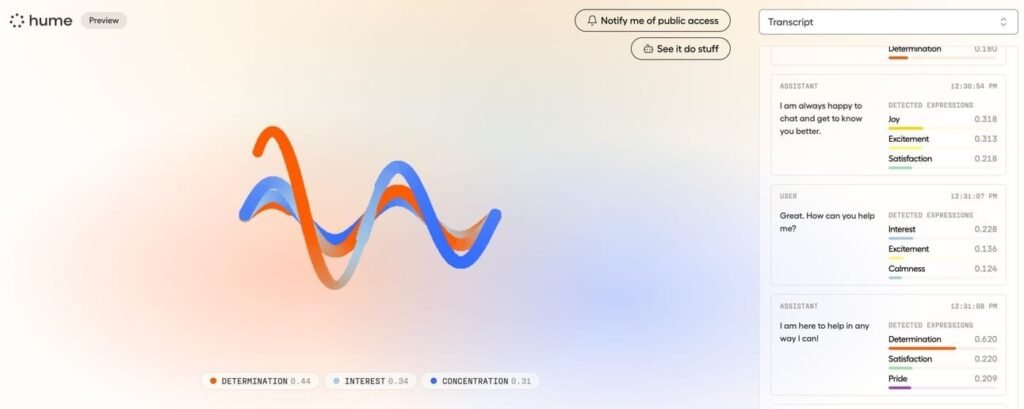
Hume ai primarily serves developers, so the user experience centers around API access and documentation.
The documentation is structured and technical. For experienced engineers, navigation is straightforward. The learning curve is moderate, especially for teams familiar with REST APIs and machine learning outputs.
Design quality focuses on clarity rather than visual flair. Enterprise teams will appreciate clean documentation and structured response formats.
Accessibility considerations depend largely on how organizations implement the API within their own products.
Pricing And Plans Overview
Hume ai typically operates on a usage based pricing model. This aligns costs with API calls and data processing volume.
There may be:
• Free or limited trial tiers
• Developer access plans
• Enterprise custom agreements
Free options allow experimentation. Paid plans scale based on usage intensity and support requirements.
From a value perspective, pricing makes sense for organizations where emotion intelligence directly impacts revenue, retention, or research outcomes.
Smaller teams should estimate projected API volume carefully before committing.
Pros And Cons
Pros
• Specialized focus on emotional intelligence
• Multi modal analysis capabilities
• Developer friendly API design
• Strong fit for conversational AI systems
• Scalable for enterprise deployment
Cons
• Requires technical expertise
• Not ideal for non technical users
• Pricing may increase with high usage
• Niche functionality compared to general AI platforms
The evaluation shows balance. Hume ai excels in a specific domain rather than offering broad AI utility.
Comparison With Similar Tools
Within the emotion AI space, competitors may focus solely on sentiment analysis or facial recognition.
Hume ai differentiates itself by combining voice, text, and facial inputs into one integrated system. This creates a more holistic emotional model.
General AI platforms may offer sentiment scoring, but they often lack deep affective computing specialization.
However, if your organization only needs basic text sentiment analysis, a simpler and lower cost solution might suffice.
For enterprises building emotionally adaptive AI systems, hume ai offers a more advanced infrastructure layer.
Buying Considerations For Decision Makers
Decision makers should evaluate:
Budget Allocation
Emotion intelligence should align with strategic goals. If customer experience is central to growth, investment becomes easier to justify.
Integration Requirements
Assess compatibility with existing technology stacks. API flexibility is strong, but internal development resources must be available.
Team Adoption
Developers must understand how to interpret emotional metrics. Training and documentation review are essential.
Long Term Scalability
As usage grows, ensure the pricing model supports expansion without unexpected cost spikes.
SaaS review case studies consistently show that AI tools succeed when aligned with clear business objectives rather than experimental curiosity.
Security Privacy And Compliance
For enterprises, data protection is non negotiable.
Hume ai processes sensitive information such as voice and facial data. Organizations must evaluate:
• Data storage policies
• Encryption standards
• Compliance with regional regulations
• Internal governance alignment
Enterprises in healthcare, finance, or education sectors should conduct detailed compliance assessments before deployment.
Transparency in data handling builds trust with institutional buyers.
Support And Documentation
Support quality is critical for developer tools.
Hume ai offers documentation resources that outline API usage, integration steps, and troubleshooting guidance.
Enterprise customers may receive priority support or dedicated assistance depending on their agreement.
Response time expectations vary by plan tier. For mission critical deployments, confirm service level expectations in advance.
Strong documentation reduces onboarding friction and accelerates implementation.
Final Verdict
Hume ai stands out as a specialized emotional intelligence platform for AI driven applications. It does not aim to replace general AI systems. Instead, it enhances them.
For developers and enterprises building conversational agents, wellness tools, or engagement platforms, hume ai offers meaningful differentiation.
It is best suited for:
• Organizations with technical resources
• Teams prioritizing human centered AI
• Enterprises investing in advanced interaction design
Those seeking simple automation or basic sentiment scoring may find lighter solutions more appropriate.
Overall, hume ai delivers strong value within its niche. When aligned with clear strategic objectives, it can significantly elevate digital experiences.
Frequently Asked Questions
Is Hume AI Easy To Integrate
For experienced developers, integration is straightforward via API. Non technical teams will require engineering support.
Does Hume AI Scale For Enterprise Use
Yes. The API based infrastructure supports high volume usage, provided budget planning aligns with projected demand.
Is There A Free Plan
Limited access or trial options may be available for testing. Enterprises typically operate under usage based agreements.
What Industries Benefit Most From Hume AI
Healthcare technology, education technology, customer experience platforms, and research institutions benefit significantly.
Does Hume AI Replace Human Interaction
No. It enhances digital systems by adding emotional awareness. Human oversight remains essential.