
Open AI Review What Businesses and Professionals Should Know



Artificial intelligence is no longer a future concept. It is embedded in daily workflows across industries in the United States, United Kingdom, Canada, and Australia. From customer support automation to advanced analytics, businesses are actively integrating AI into their operations. At the center of this transformation is OpenAI.
Open ai has become one of the most influential AI companies in the world. Its models power conversational assistants, content generation tools, coding copilots, and enterprise automation systems. For professionals evaluating AI vendors, understanding what open ai offers and how it fits into a broader technology stack is essential.
This in depth open ai review examines the platform from a business perspective. We analyze its capabilities, benefits, limitations, pricing structure, and competitive positioning to help decision makers make informed choices.
What Is Open AI

Open ai is an artificial intelligence research and deployment company that develops large scale machine learning models. Its technology includes advanced language models, image generation systems, and multimodal AI tools capable of processing text, images, and structured data.
The company operates in the rapidly expanding generative AI market. It is widely recognized for products like ChatGPT, which brought conversational AI into mainstream business use. In addition to consumer facing tools, open ai provides APIs that allow developers and enterprises to integrate AI directly into applications and workflows.
Market positioning is clear. Open ai is both a research driven innovator and a commercial AI infrastructure provider. It serves:
• Individual professionals
• Small and medium businesses
• Large enterprises
• Software developers
• Technology platforms
In industry context, open ai competes with major AI providers such as Google DeepMind and Anthropic. However, its combination of accessible products and powerful APIs has made it one of the most adopted AI ecosystems globally.
How Open AI Works
Understanding how open ai operates requires examining both its consumer tools and developer infrastructure.
Step One Accessing The Platform
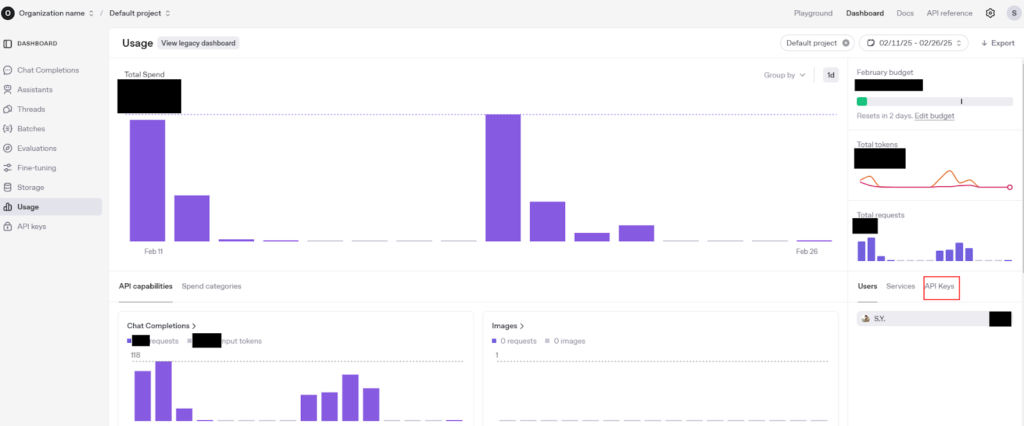
Users can access open ai through web applications like ChatGPT or through API access for integration into software systems. Businesses typically create an account and choose a usage plan based on expected demand.
Step Two Selecting A Model
Open ai provides different AI models optimized for tasks such as text generation, reasoning, coding, summarization, and image creation. Businesses choose models based on accuracy, speed, and cost requirements.
Step Three Providing Input
Users submit prompts or structured data. For example:
• Draft a customer service email
• Summarize a legal document
• Generate marketing copy
• Analyze sales data
The model processes the input using advanced neural networks trained on large datasets.
Step Four Output Generation
The system produces responses in seconds. Outputs may include text, structured JSON data, images, or conversational replies.
Step Five Integration Into Workflow
For enterprises, open ai is rarely used in isolation. It is integrated into CRM systems, content platforms, analytics dashboards, or internal knowledge bases via API connections.
The daily workflow varies by role. A marketer may use ChatGPT for campaign drafts. A developer may embed open ai models into an application. An operations manager may automate internal reporting.
Core Features Overview
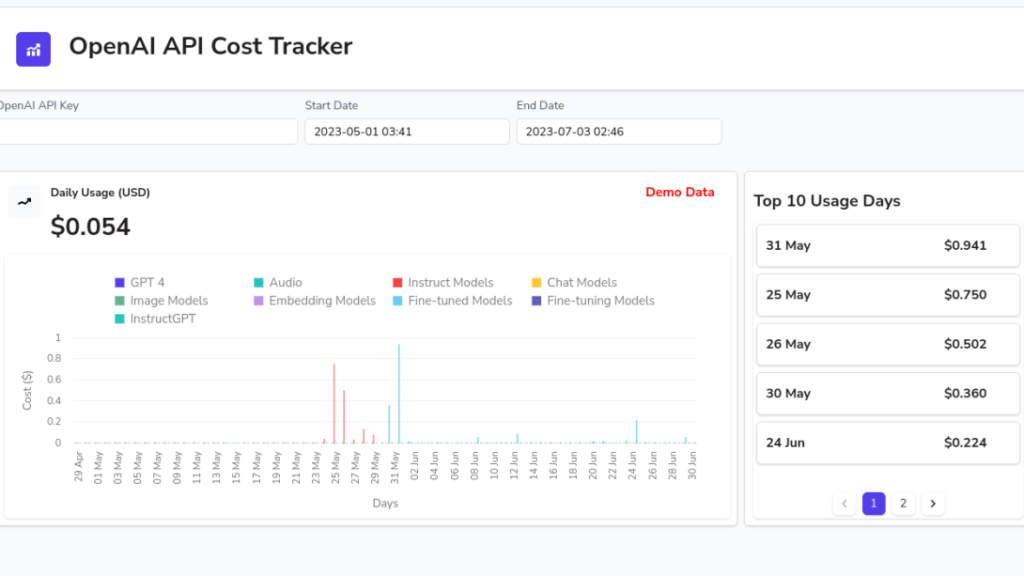
Open ai offers a broad set of capabilities. The following core features are most relevant for businesses and professionals.
Feature One Advanced Language Models
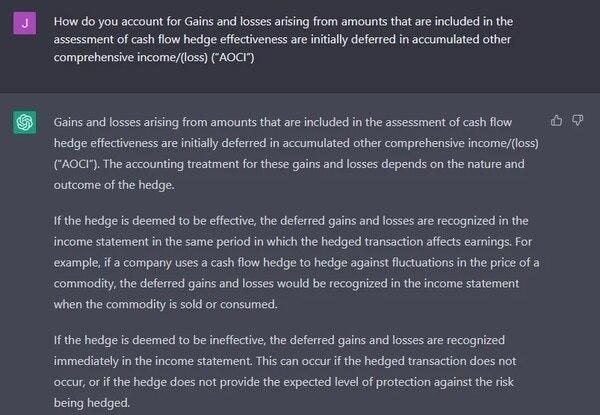
Open ai language models can generate, summarize, rewrite, and analyze text with high contextual understanding.
Why this matters:
Businesses spend significant time on documentation, communication, and reporting. Automating or accelerating these tasks improves productivity and reduces operational friction.
Feature Two API And Developer Integration
Open ai provides robust APIs that allow integration into websites, mobile apps, and enterprise systems.
Why this matters:
Businesses spend significant time on documentation, communication, and reporting. Automating or accelerating these tasks improves productivity and reduces operational friction.
Feature Two API And Developer Integration
Open ai provides robust APIs that allow integration into websites, mobile apps, and enterprise systems.
Why this matters:
AI becomes part of the product experience rather than a separate tool. Companies can build intelligent chatbots, recommendation engines, and automation systems directly into their offerings.
Feature Three Multimodal Capabilities
Open ai supports text and image processing. This includes generating visuals from descriptions and analyzing image content.
Why this matters:
Marketing teams can create visual assets. Support teams can analyze uploaded screenshots. Product teams can build multimodal AI features that enhance user engagement.
Collectively, these features position open ai as foundational AI infrastructure rather than a niche software tool.
Key Benefits For Users
The true value of open ai lies in measurable outcomes.
Increased Productivity
Professionals can draft emails, reports, and proposals faster. Developers can generate code snippets and debug issues efficiently.
Scalable Automation
Businesses can automate repetitive workflows such as customer support responses or document classification at scale.
Cost Efficiency
AI driven automation reduces dependency on manual processes. For companies in high labor cost markets, this can result in significant savings.
Innovation Enablement
Open ai enables rapid experimentation. Teams can prototype AI driven features without building complex machine learning systems from scratch.
These benefits explain why open ai adoption continues to expand across industries.
Who Should Use This Software
Open ai is versatile, but it is especially valuable for certain user groups.
Ideal Users
• Marketing professionals
• Software developers
• Customer support teams
• Operations managers
• Consultants and analysts
Industries
• Technology and SaaS
• Finance and fintech
• Ecommerce and retail
• Education and training
• Media and publishing
Organization Size
Startups benefit from cost effective AI capabilities. Mid sized companies use open ai to streamline operations. Large enterprises deploy it as part of broader digital transformation strategies.
Use Cases And Real World Scenarios



Open ai supports diverse applications.
Customer Support Automation
Businesses can deploy AI powered chat assistants that answer common queries instantly. This reduces ticket volume and improves response times.
Marketing Content Creation
Teams can generate blog outlines, ad copy, email campaigns, and social media posts aligned with brand voice.
Software Development Assistance
Developers use AI to generate code examples, documentation, and debugging suggestions. This accelerates development cycles.
Internal Knowledge Management
Companies can build internal AI assistants that search and summarize policy documents, training materials, and reports.
In each scenario, open ai acts as a productivity multiplier.
User Experience And Interface
User experience varies depending on whether businesses use ChatGPT or API access.
Ease Of Use
The ChatGPT interface is straightforward. Users type prompts and receive responses in a conversational format.
Learning Curve
While basic usage is simple, mastering prompt design and integration strategies requires practice. Organizations benefit from internal AI guidelines and training.
Design And Accessibility
The web interface is clean and intuitive. API documentation is structured and developer friendly, supporting rapid onboarding for technical teams.
Pricing And Plans Overview
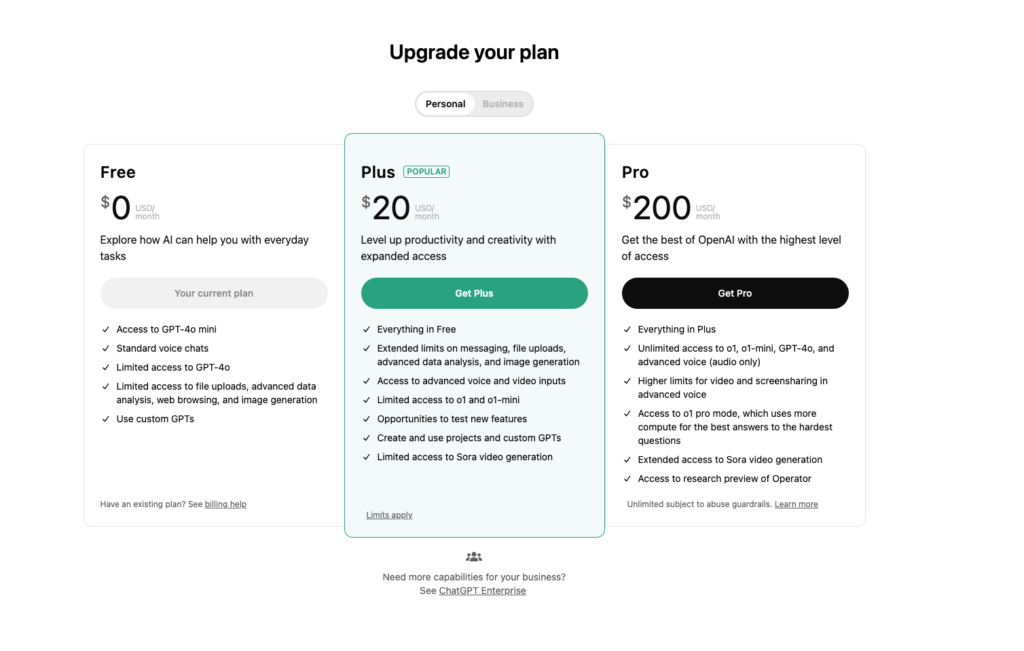
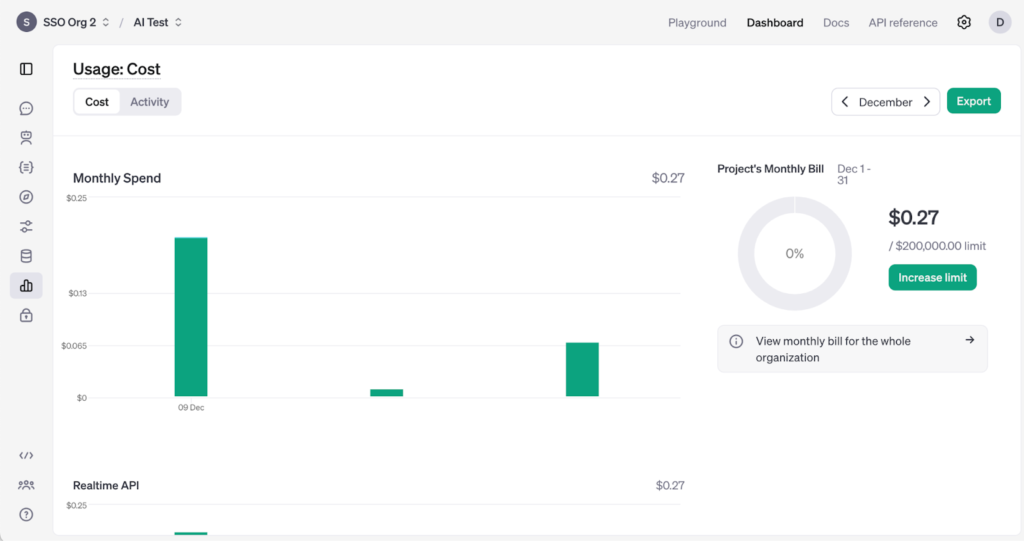
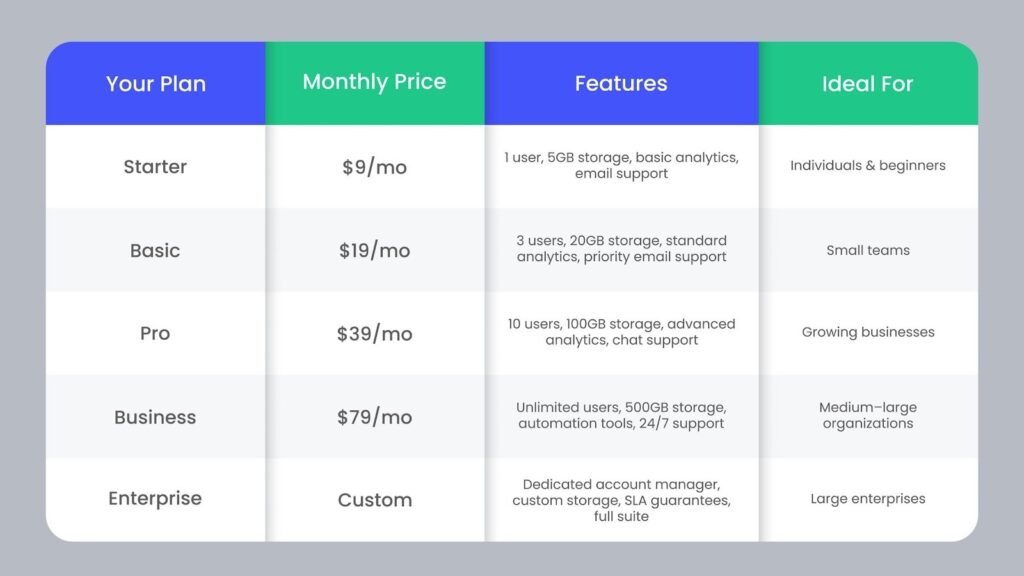
Open ai offers multiple pricing structures.
• Subscription plans for ChatGPT users
• Usage based pricing for API access
• Enterprise agreements for large organizations
Costs typically depend on model selection and usage volume. High performance models cost more per request than lighter models.
From a value perspective, pricing should be evaluated against time savings, automation gains, and product innovation potential. For many businesses, the efficiency improvements justify the investment.
Pros And Cons
A balanced open ai review includes both advantages and limitations.
Pros
• Industry leading language models
• Strong developer ecosystem
• Wide range of use cases
• Scalable infrastructure
• Continuous model improvements
Cons
• Costs can increase with heavy usage
• Requires governance for responsible use
• Outputs may require human review
• Integration complexity for large systems
Strategic planning and oversight are necessary to maximize benefits.
Comparison With Similar Tools
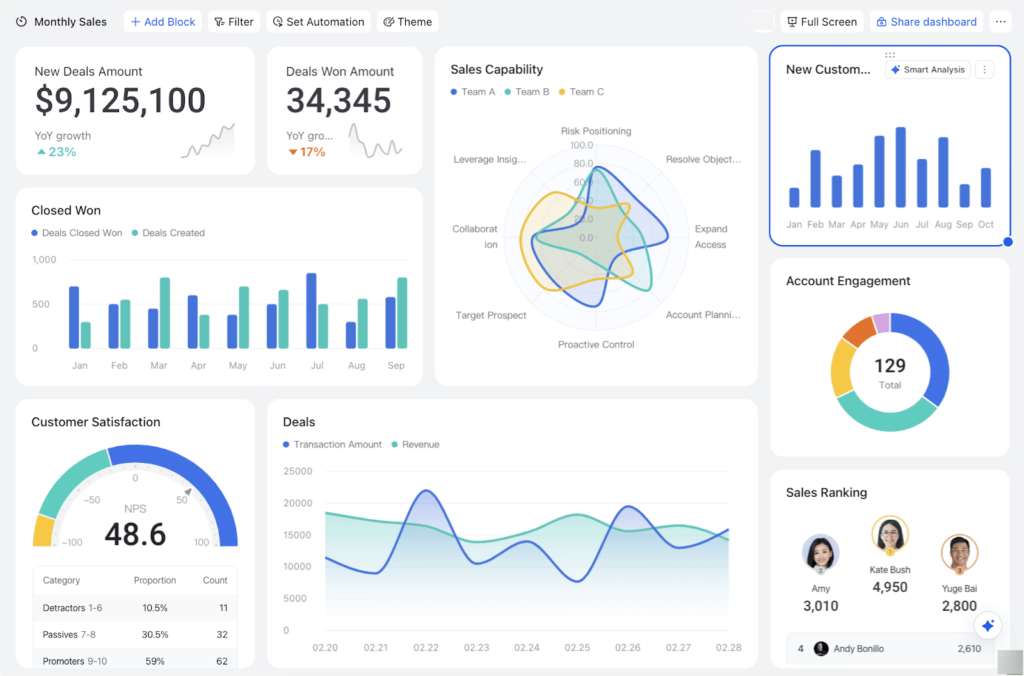
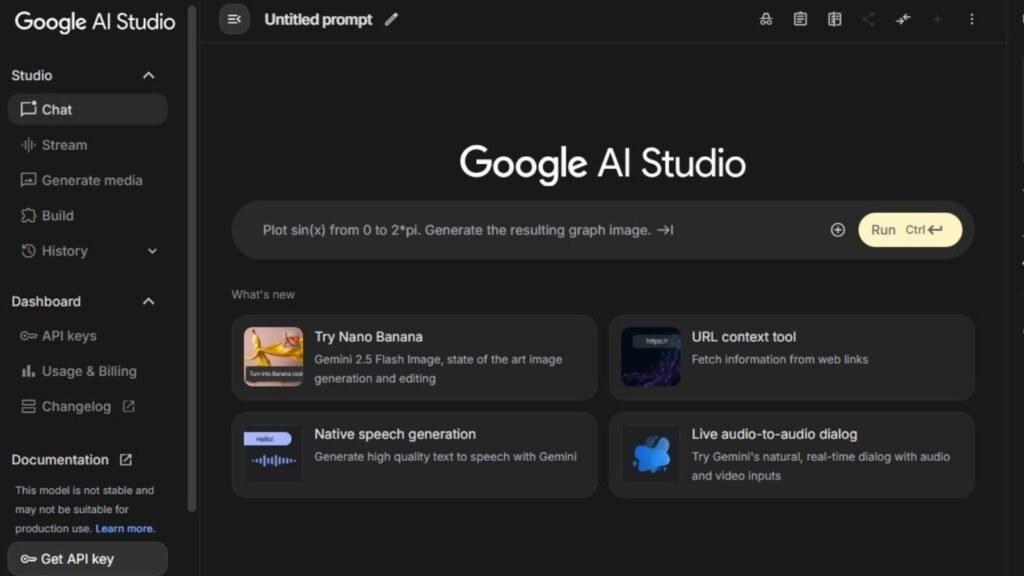
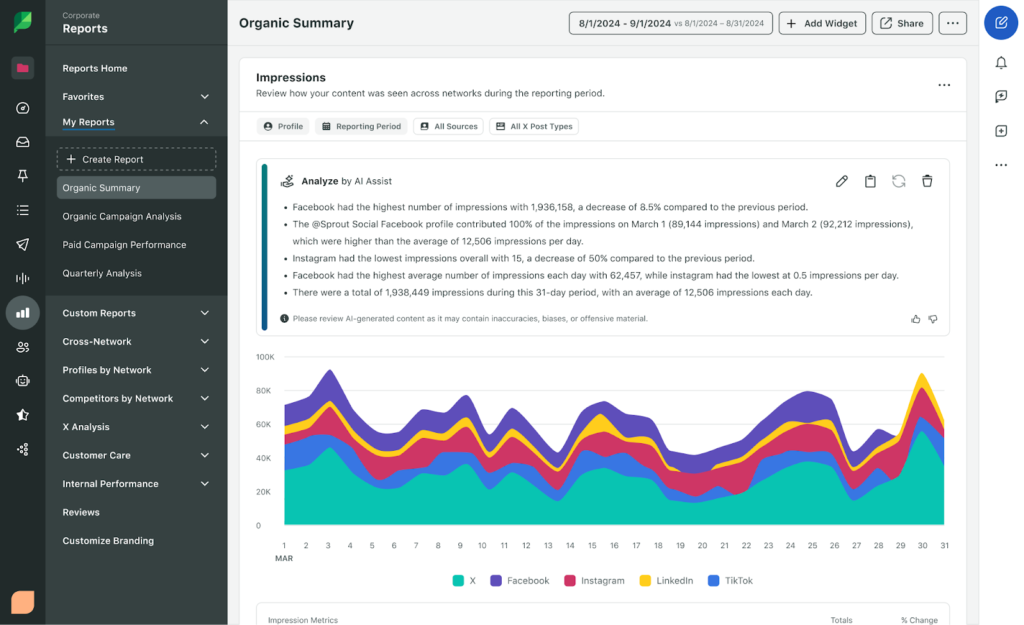
When comparing open ai to competitors, positioning becomes clearer.
Providers like Google DeepMind emphasize research depth and integration within larger cloud ecosystems. Anthropic focuses heavily on AI safety and alignment.
Open ai differentiates itself through:
• Broad accessibility
• Mature conversational interface
• Strong API ecosystem
• Widespread adoption across industries
Alternatives may be preferable when deep cloud integration or specific compliance requirements dictate vendor selection. However, for general purpose generative AI, open ai remains a leading choice.
Buying Considerations For Decision Makers
Before adopting open ai, leaders should evaluate several factors.
Budget Planning
Estimate expected usage volume. Model pricing scales with consumption.
Integration Strategy
Determine whether AI will be used via web interface or embedded into existing systems.
Scalability
Assess whether infrastructure can handle growth in API calls or user demand.
Governance And Policy
Establish guidelines for responsible AI usage, data privacy, and human oversight.
Thoughtful planning ensures sustainable AI deployment.
Security Privacy And Compliance
Data security is critical for enterprises.
Open ai implements security measures to protect data in transit and at rest. However, businesses should carefully review:
• Data retention policies
• Regional data handling standards
• Regulatory compliance alignment
• Internal security requirements
Organizations in regulated sectors such as finance and healthcare must conduct thorough risk assessments before deployment.
Support And Documentation
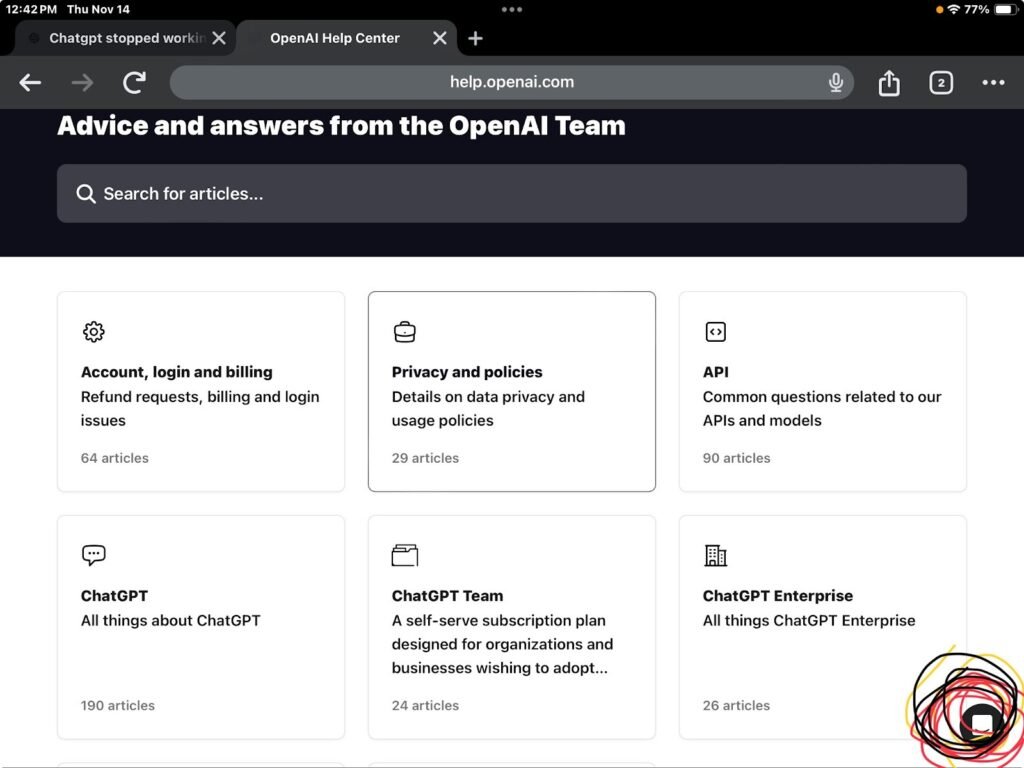
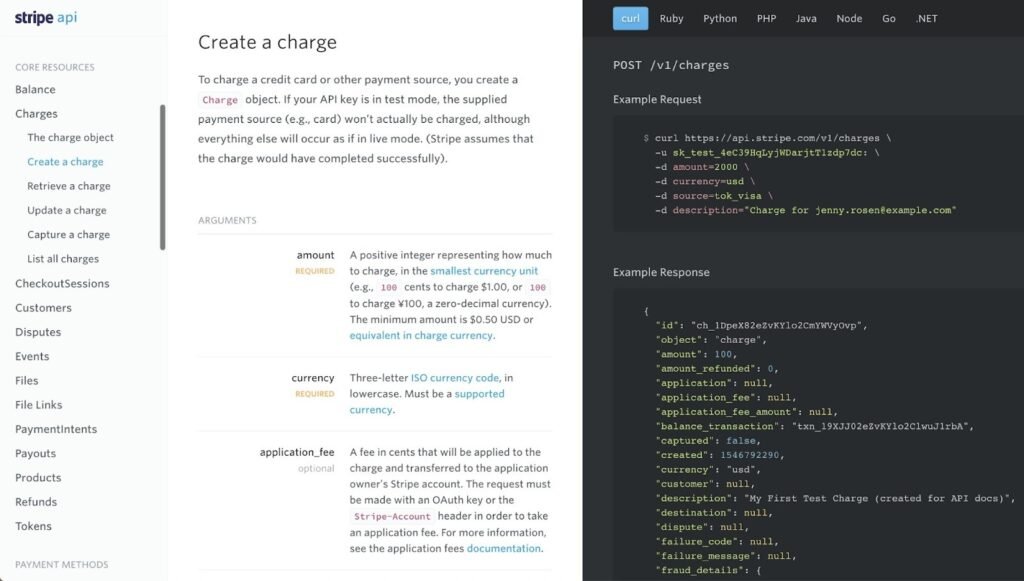
Open ai provides extensive documentation and support resources.
• Developer guides
• API references
• Tutorials and examples
• Community forums
Enterprise customers often receive dedicated support channels. Comprehensive documentation accelerates onboarding and reduces implementation friction.
Final Verdict
Open ai is one of the most influential AI platforms available to businesses and professionals. It combines advanced research with practical deployment tools that support real world applications.
For organizations seeking productivity gains, automation, and innovation, open ai offers a scalable and flexible solution. While careful governance and cost management are essential, the platform delivers substantial value when implemented strategically.
For decision makers in Tier 1 markets, open ai represents not just a tool, but a foundational AI infrastructure partner.
Frequently Asked Questions
What Is Open AI Used For
Open ai is used for text generation, automation, coding assistance, customer support chatbots, data analysis, and image creation.
Is Open AI Suitable For Enterprises
Yes, open ai provides API access and enterprise agreements that support large scale deployments.
How Is Open AI Priced
Pricing includes subscription plans for ChatGPT and usage based pricing for API calls, depending on model and volume.
Does Open AI Replace Human Employees
No. Open ai enhances productivity and supports automation but still requires human oversight and strategic input.
Is Open AI Secure For Business Data
Open ai implements security measures, but organizations should review compliance requirements and internal governance policies before integration.