Imagine AI Review What Creators and Businesses Should Know


The market for AI powered creative tools is expanding rapidly across the United States, United Kingdom, Canada, and Australia. Designers, marketers, content teams, and independent creators are under pressure to produce high quality visual assets at scale. This is where imagine ai enters the conversation.
Imagine ai is positioned as a text to image generation platform that helps users turn written prompts into professional visuals within seconds. For businesses, it promises faster campaign production and lower creative costs. For creators, it offers a way to experiment with styles, concepts, and branding without relying entirely on traditional design workflows.
In this imagine ai review, we take a deep dive into how the platform works, who it serves best, and whether it delivers real value for professionals researching AI design software.
What Is Imagine AI
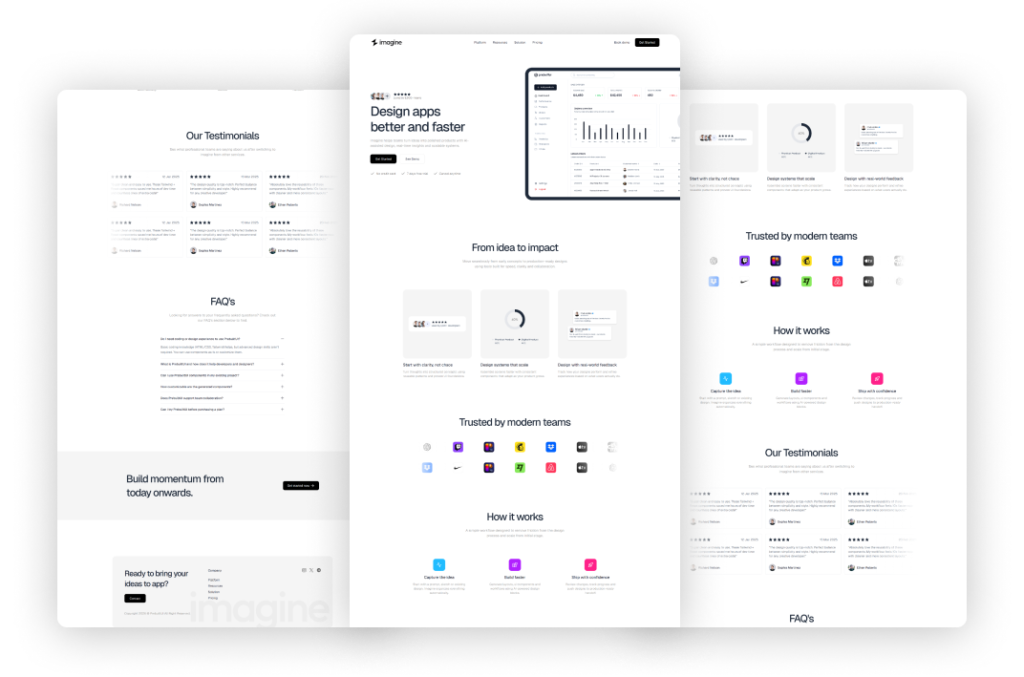
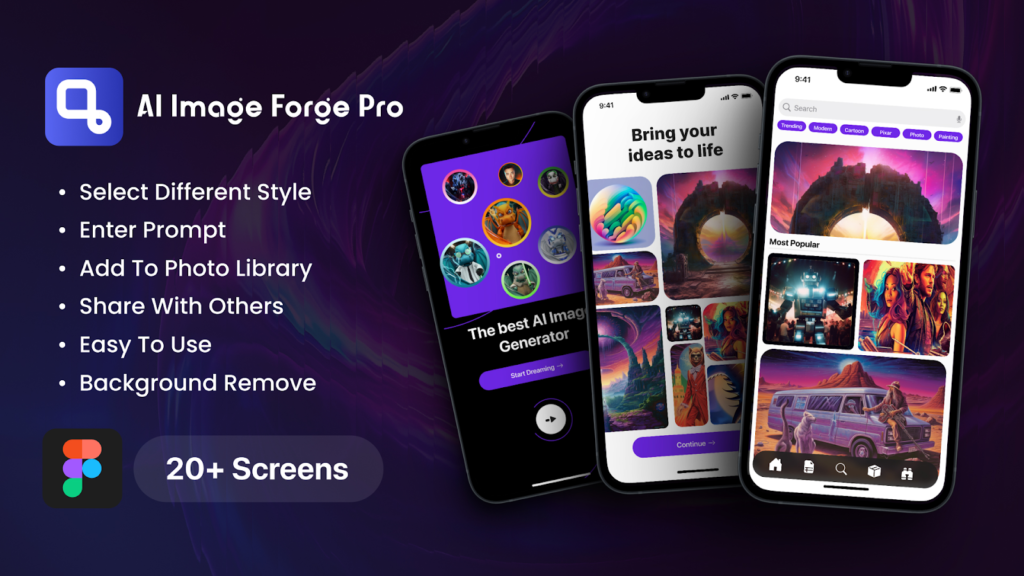

Imagine ai is a cloud based artificial intelligence platform that generates images from text prompts. Users describe what they want in plain language. The system interprets the request and produces original visual outputs based on trained machine learning models.
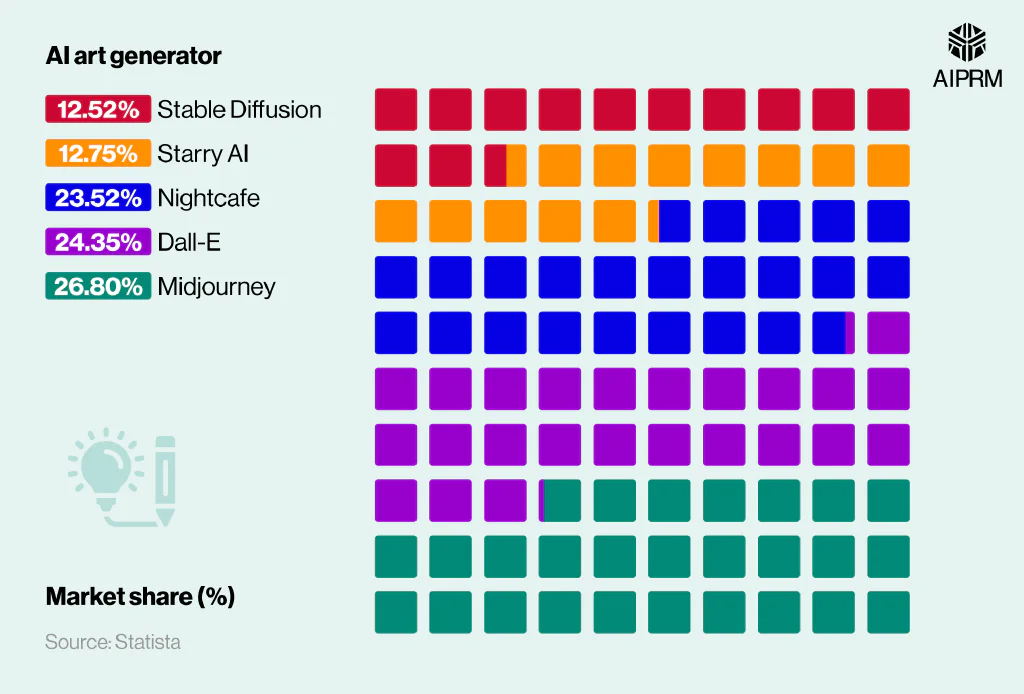
The platform operates in the broader generative AI market, alongside tools such as OpenAI offerings and visual generation platforms like Midjourney. However, imagine ai aims to differentiate itself through accessibility, customization options, and business friendly workflows.
In terms of positioning, imagine ai sits between consumer art tools and enterprise design systems. It is built for:
• Marketing teams needing rapid campaign visuals
• Ecommerce brands producing product imagery
• Agencies testing creative concepts
• Content creators building brand identities
The value proposition is clear. Reduce design bottlenecks. Accelerate visual production. Enable experimentation without heavy software learning curves.
How Imagine AI Works
Understanding how imagine ai works is essential before evaluating its impact.
Step One Account Setup
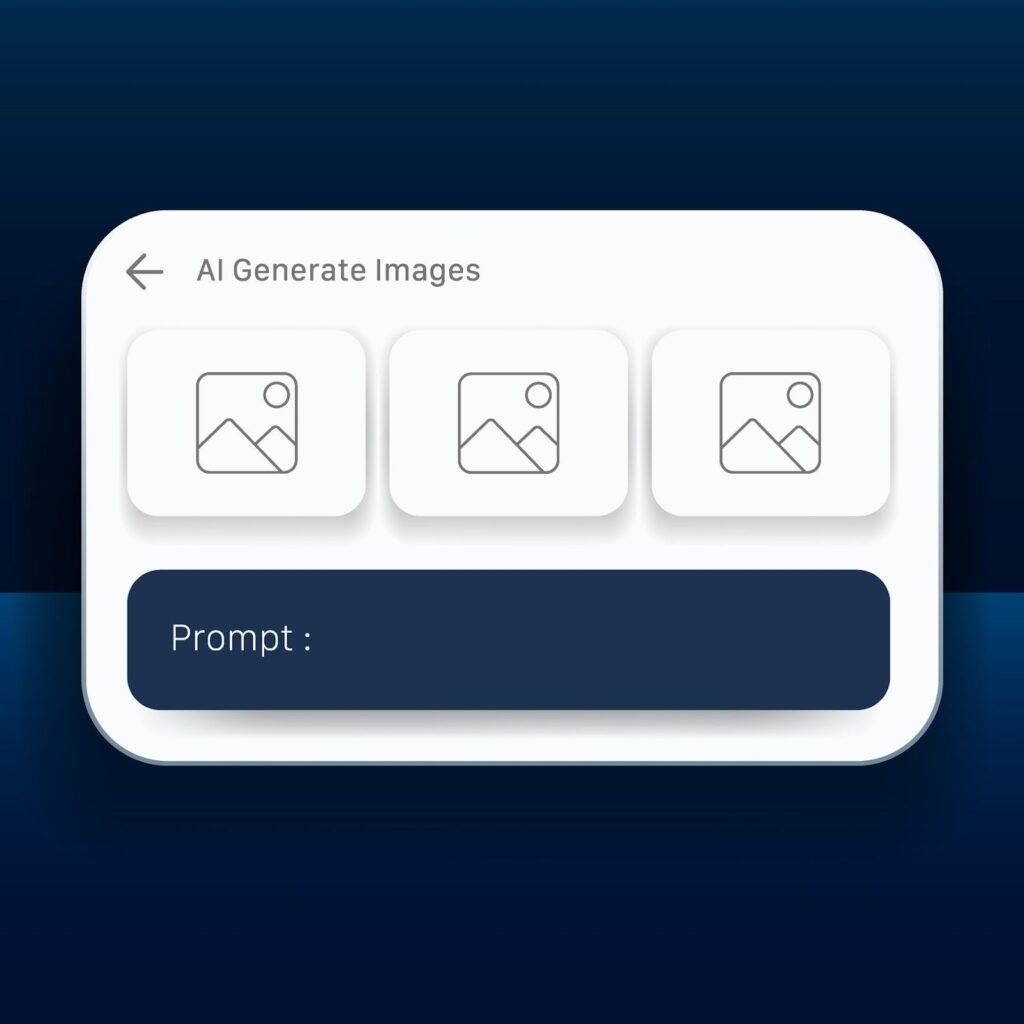
Users begin by creating an account and selecting a plan. Since it is cloud based, there is no complex installation process. Once logged in, the dashboard presents a prompt input field, style controls, and generation settings.
Step Two Writing A Prompt
The core of imagine ai is the prompt. Users enter a detailed description of the desired image. For example:
A minimalist product mockup on a clean white background with soft studio lighting.
The more specific the prompt, the better the output. Advanced users often include references to lighting, perspective, artistic style, and color palette.
Step Three Selecting Styles And Parameters
Imagine ai typically allows adjustments such as:
• Resolution
• Artistic style
• Detail intensity
• Number of variations
These parameters influence output quality and creativity.
Step Four Image Generation
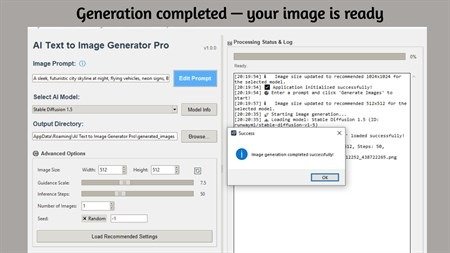
Once the prompt is submitted, the system processes the request using its trained AI models. Within seconds, multiple variations are generated. Users can refine, regenerate, or upscale selected images.
Step Five Export And Usage
Final images can be downloaded for use in websites, social media campaigns, presentations, or advertising creatives. For businesses, this dramatically shortens the time between concept and execution.
The daily workflow becomes straightforward. Draft prompt. Generate options. Refine. Export. Deploy.
Core Features Overview
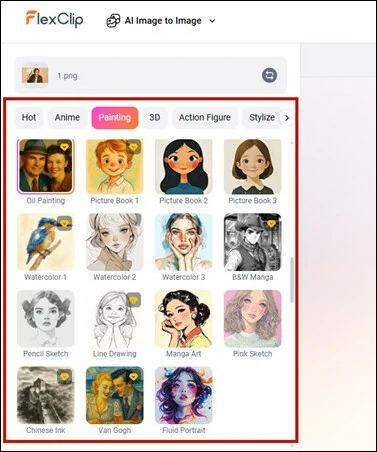
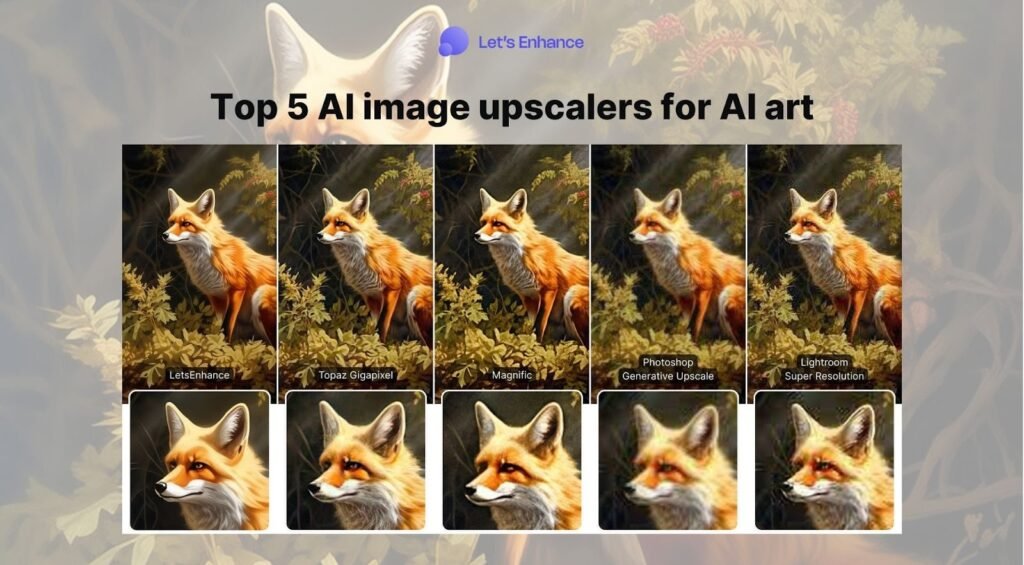
To evaluate imagine ai properly, we need to look at its core features and why they matter.
Feature One Advanced Text To Image Generation
The foundation of imagine ai is its ability to convert natural language into compelling visuals. The engine supports nuanced prompts with descriptive modifiers.
Why this matters:
For marketers and designers, specificity is critical. Being able to describe lighting, texture, environment, and mood allows for controlled creative experimentation without manual editing.
Feature Two Style Customization And Variations
Imagine ai allows users to experiment with multiple visual styles and generate variations of the same concept.
Why this matters:
Creative testing becomes data driven. Teams can produce multiple visual directions for A B testing without commissioning multiple design drafts. This reduces cost and accelerates optimization cycles.
Feature Three High Resolution Export Options
Professional use demands high quality output. Imagine ai typically supports higher resolution downloads suitable for digital campaigns and some print materials.
Why this matters:
Low resolution AI art is unusable for commercial applications. High quality export ensures the tool is viable for serious marketing and brand development.
Collectively, these features position imagine ai as more than a novelty tool. It becomes a potential production asset.
Key Benefits For Users
Features are important, but outcomes are what decision makers care about.
Faster Creative Production
Campaign timelines shrink dramatically. Instead of waiting days for concept drafts, teams can generate ideas in minutes.
Reduced Design Costs
Businesses that rely heavily on stock photography or external designers may reduce recurring expenses. While AI does not replace strategic design thinking, it supports rapid asset generation.
Enhanced Creative Experimentation
Imagine ai lowers the barrier to experimentation. Teams can test bold visual ideas without committing to full scale production.
Improved Agility For Small Teams
Startups and small businesses often lack dedicated design resources. Imagine ai provides on demand visual creation, helping them compete with larger brands.
For creators and agencies in Tier 1 markets where labor costs are high, these benefits translate into measurable ROI.
Who Should Use This Software
Imagine ai is not for everyone. Its value depends on role, industry, and creative needs.
Ideal Users
• Digital marketers
• Social media managers
• Ecommerce entrepreneurs
• Creative agencies
• Independent content creators
Industries
• Retail and ecommerce
• Digital publishing
• Advertising and media
• Education and online learning
• Technology startups
Organization Size
Small and medium businesses may benefit the most due to budget constraints. However, larger enterprises can also use imagine ai for concept development and early stage ideation before full production.
Use Cases And Real World Scenarios



Let us look at practical scenarios where imagine ai delivers value.
Ecommerce Product Visualization
An online store launching a new accessory line can generate clean product visuals for landing pages and ads before professional photography is finalized. This accelerates pre launch marketing.
Social Media Campaigns
A marketing manager can create branded graphics for posts, stories, and ads tailored to different audience segments without relying entirely on templates.
Blog And Content Marketing
Content teams often need custom header images. Instead of generic stock photos, imagine ai can generate unique visuals aligned with article themes and brand tone.
Creative Concept Testing
Agencies can present multiple creative directions to clients using AI generated mockups. This improves collaboration and speeds up approval cycles.
In each case, imagine ai acts as a creative accelerator rather than a replacement for human expertise.
User Experience And Interface
Ease of use determines adoption.
Imagine ai typically offers a clean dashboard centered around the prompt input area. Controls are clearly labeled. Generation buttons are intuitive. Navigation is minimal.
Ease Of Use
Most users can generate their first image within minutes. There is little technical friction.
Learning Curve
The primary learning curve lies in mastering prompt writing. High quality outputs require thoughtful descriptions. Over time, users develop prompt strategies that produce consistent results.
Design And Layout
A well designed interface reduces cognitive load. For professionals juggling multiple tasks, simplicity is an advantage. Imagine ai generally emphasizes clarity over complexity.
Pricing And Plans Overview
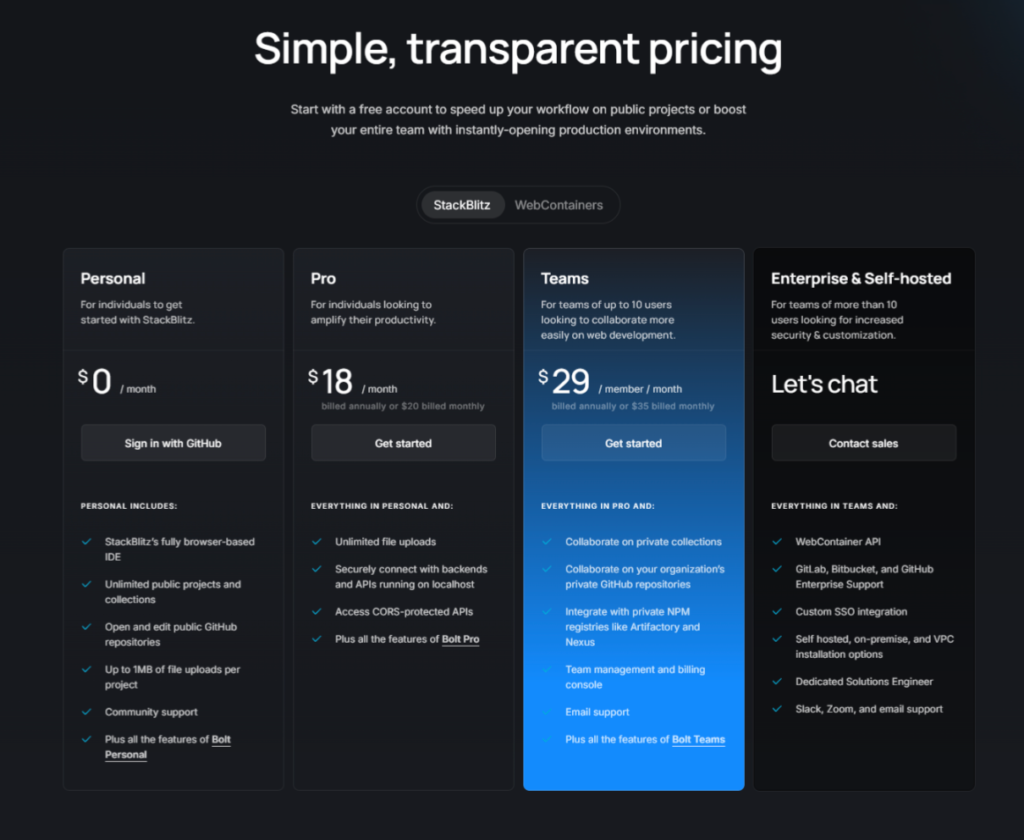
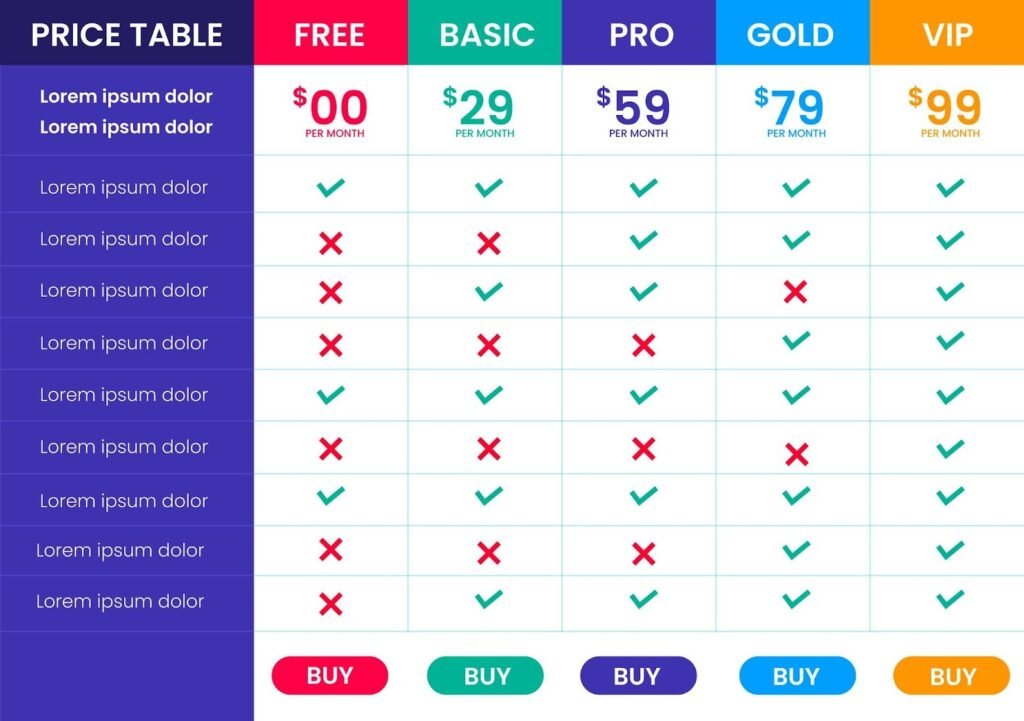
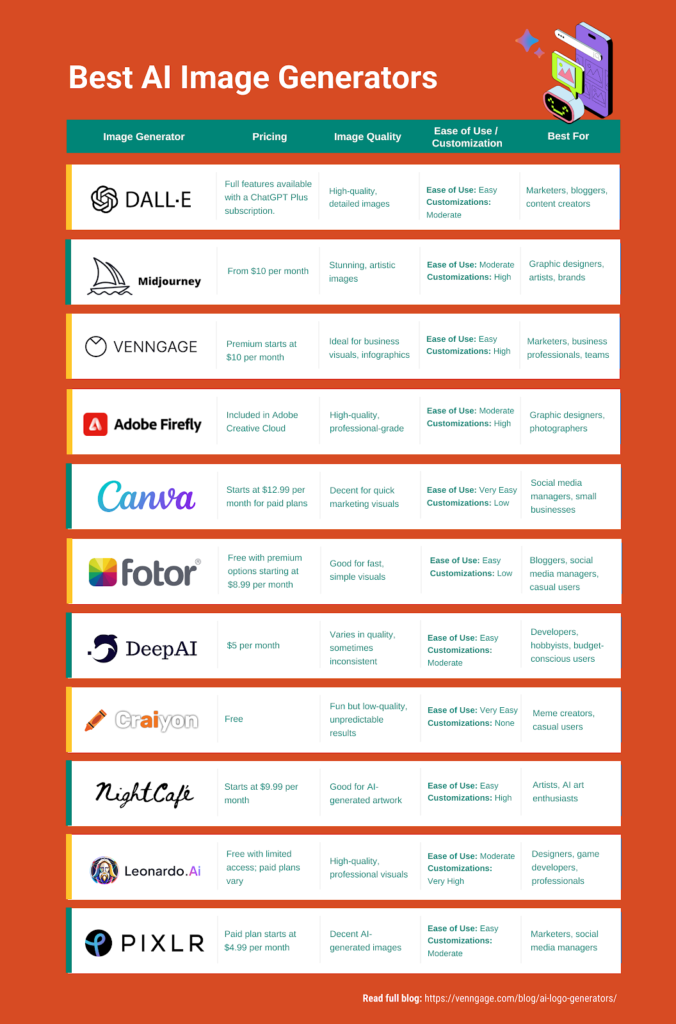
Pricing is a critical factor for decision makers in the United States, United Kingdom, Canada, and Australia.
Imagine ai typically follows a subscription based model with tiered plans. Plans may vary based on:
• Number of image generations per month
• Access to premium styles
• Resolution limits
• Commercial usage rights
From a value perspective, the key question is output quality relative to cost. If a single subscription replaces multiple stock photo purchases or reduces freelance design hours, the return on investment can be significant.
However, heavy usage teams should carefully review generation limits to avoid unexpected costs.
Pros And Cons
A balanced imagine ai review must highlight both strengths and limitations.
Pros
• Fast image generation
• Intuitive interface
• Supports creative experimentation
• Useful for marketing and content teams
• Reduces reliance on stock assets
Cons
• Output quality depends heavily on prompt skill
• May require refinement for brand consistency
• Subscription costs can add up with high usage
• Not a full replacement for professional designers
The platform works best as a complementary tool within a broader creative strategy.
Comparison With Similar Tools
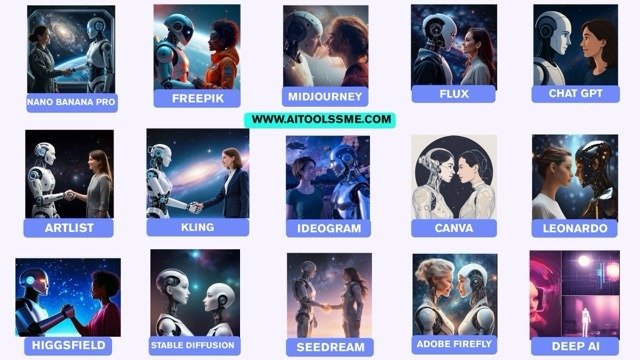


When comparing imagine ai to alternatives, positioning becomes clearer.
Tools like Midjourney are often praised for artistic depth and community driven experimentation. Meanwhile, solutions connected to OpenAI ecosystems focus on API integration and developer flexibility.
Imagine ai tends to appeal to users who prioritize ease of use and structured workflows over complex configuration.
When alternatives may be better:
• Advanced artists seeking niche stylistic control
• Developers needing deep API customization
• Enterprises requiring extensive ecosystem integrations
However, for straightforward marketing and content creation, imagine ai offers a practical balance of power and simplicity.
Buying Considerations For Decision Makers
Before adopting imagine ai, leaders should evaluate several factors.
Budget
Assess monthly generation needs. Compare subscription costs to current creative expenses.
Integration
Consider whether the platform integrates smoothly with existing marketing stacks and content workflows.
Scalability
As content demands grow, will imagine ai scale effectively without excessive cost increases.
Adoption And Training
Ensure teams understand prompt writing fundamentals. Without training, output quality may not meet expectations.
Strategic implementation is key to maximizing value.
Security Privacy And Compliance
For businesses operating in regulated environments, data handling is critical.
Imagine ai, as a cloud platform, processes user prompts and generated images on its servers. Decision makers should review:
• Data storage policies
• Image ownership terms
• Commercial usage rights
• Compliance with regional regulations
Companies in the United States, United Kingdom, Canada, and Australia should ensure alignment with relevant privacy standards and internal governance frameworks.
Support And Documentation
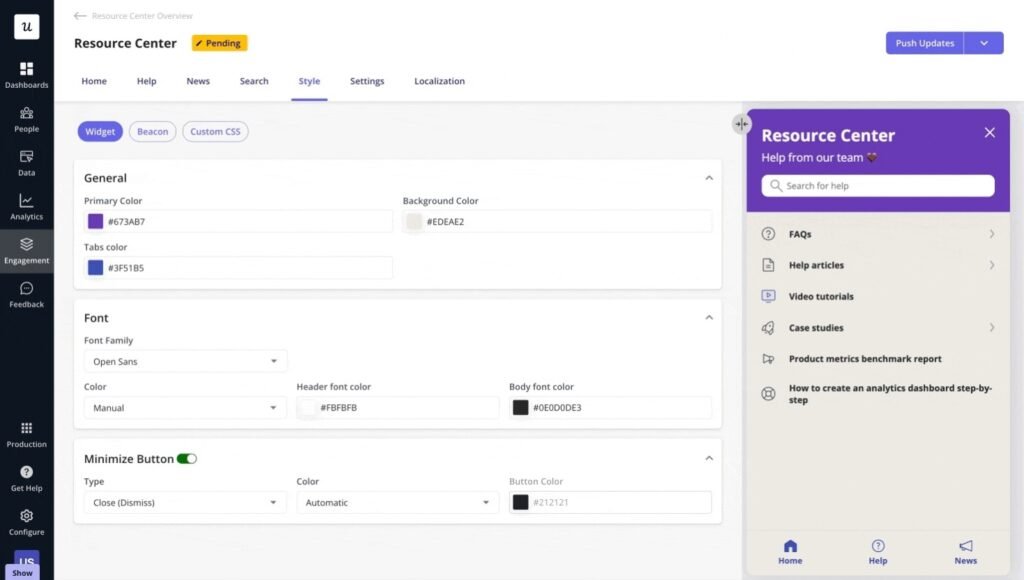
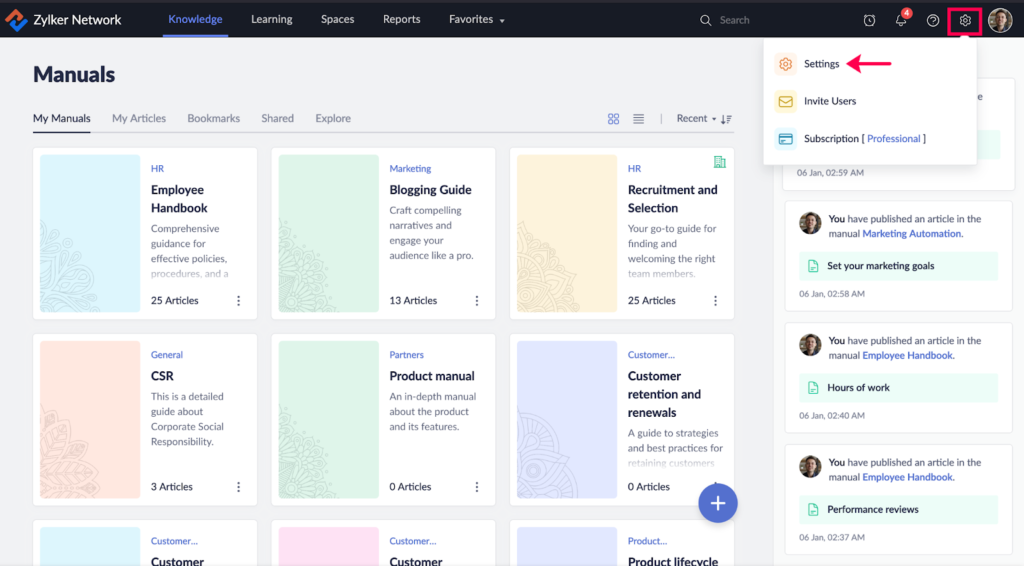
Effective onboarding and support improve adoption rates.
Imagine ai typically provides:
• Knowledge base articles
• Prompt writing guides
• Customer support channels
• Tutorials for new users
For businesses deploying the tool across teams, structured documentation is essential. Clear support resources reduce friction and shorten time to value.
Final Verdict
Imagine ai is a practical AI image generation platform designed for creators and businesses seeking speed and flexibility.
It excels at rapid visual production, creative experimentation, and cost efficiency for marketing teams. While it does not replace professional designers or advanced creative suites, it complements them effectively.
For startups, agencies, and content driven brands in Tier 1 markets, imagine ai offers a compelling balance between accessibility and output quality.
The platform is best viewed as a strategic creative accelerator rather than a complete design solution.
Frequently Asked Questions
What Is Imagine AI Used For
Imagine ai is used to generate images from text prompts for marketing, content creation, ecommerce, and creative concept development.
Is Imagine AI Suitable For Commercial Use
Most plans support commercial usage rights, but users should review licensing terms before deploying images in paid campaigns.
Does Imagine AI Require Design Experience
No formal design experience is required, but strong prompt writing skills improve output quality significantly.
How Does Imagine AI Compare To Other AI Art Tools
Imagine ai focuses on ease of use and structured workflows, while some alternatives emphasize artistic experimentation or developer integration.
Can Businesses Scale With Imagine AI
Yes, but scalability depends on subscription limits and generation allowances. Teams should evaluate projected usage before committing to higher tiers.