Arize AI Review What Data and ML Teams Should Know

Deploying machine learning models into production is only the beginning. Once live, models can drift, degrade, or produce biased outputs. Data pipelines change. User behavior evolves. Performance metrics fluctuate.
For data science and machine learning teams, monitoring model health is not optional. It is mission critical.
This is where arize ai becomes highly relevant.
In this arize ai review, we explore how the platform helps data and ML teams monitor, evaluate, and improve model performance in production environments. Arize ai focuses on observability for machine learning systems, giving teams visibility into model accuracy, drift, and real world behavior.
The core problem it solves is model blind spots. Many organizations deploy models but lack continuous monitoring tools to detect issues before they impact customers or revenue.
Arize ai is built for data scientists, ML engineers, analytics leaders, and enterprises operating AI driven systems at scale.
What Is Arize AI
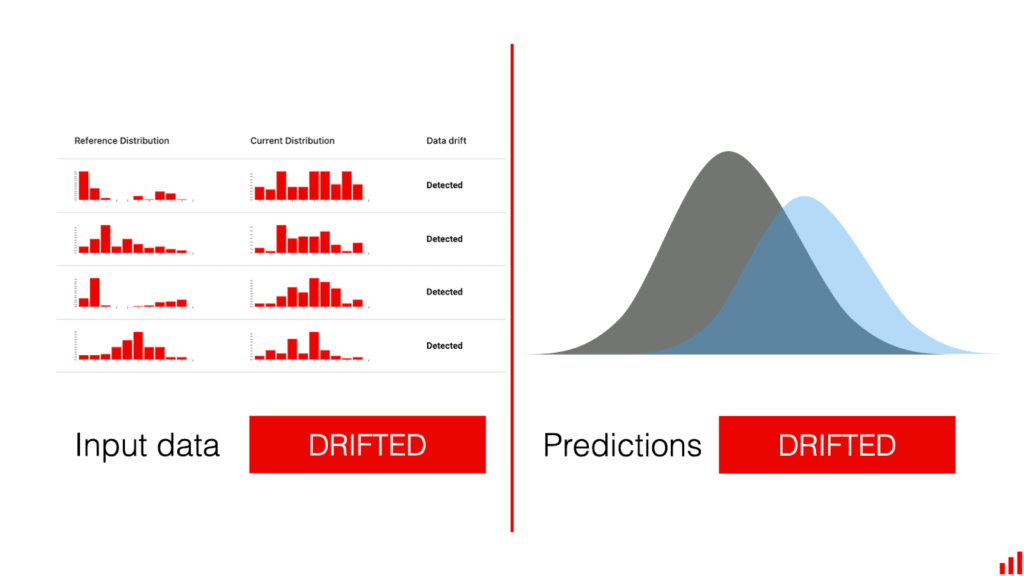
Arize AI is a machine learning observability platform designed to monitor models in production. It provides tools for detecting data drift, performance degradation, and bias across AI systems.
Within the broader SaaS and AI ecosystem, arize ai operates in the ML observability and monitoring category. It complements model development platforms rather than replacing them.
While frameworks like TensorFlow or PyTorch help build models, arize ai helps monitor them after deployment.
For organizations relying on predictive systems, arize ai offers visibility into real world model behavior.
How Arize AI Works
Understanding how arize ai works helps ML teams assess integration feasibility.
Step One Data And Model Integration
Teams connect production data streams and model outputs to the platform.
Step Two Metric Tracking
Arize ai tracks performance metrics such as prediction accuracy, latency, and confidence levels.
Step Three Drift Detection
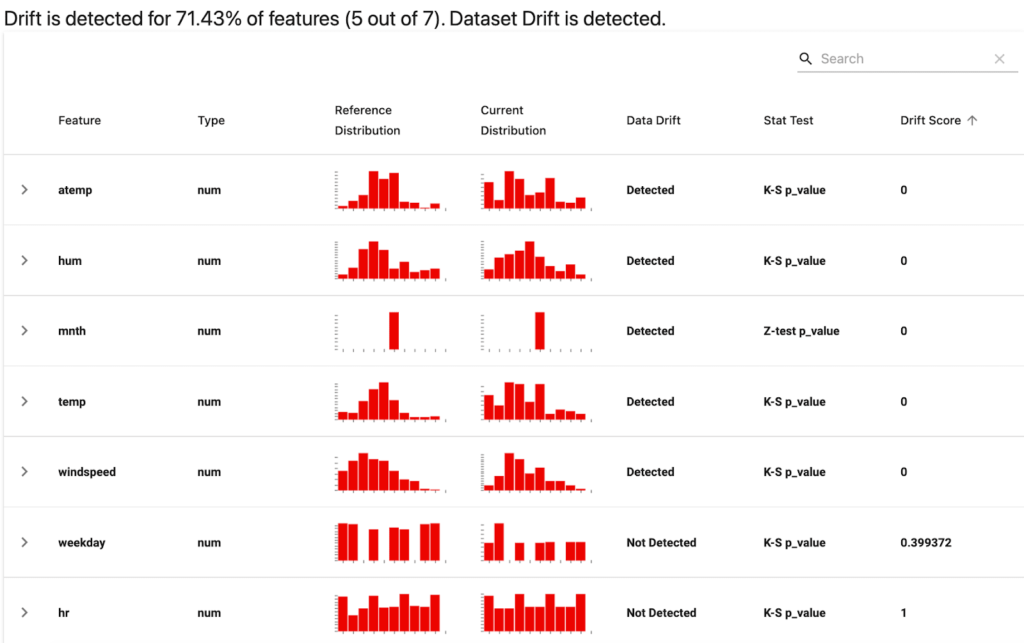
The system analyzes changes in input data distributions and output predictions over time.
Step Four Root Cause Analysis
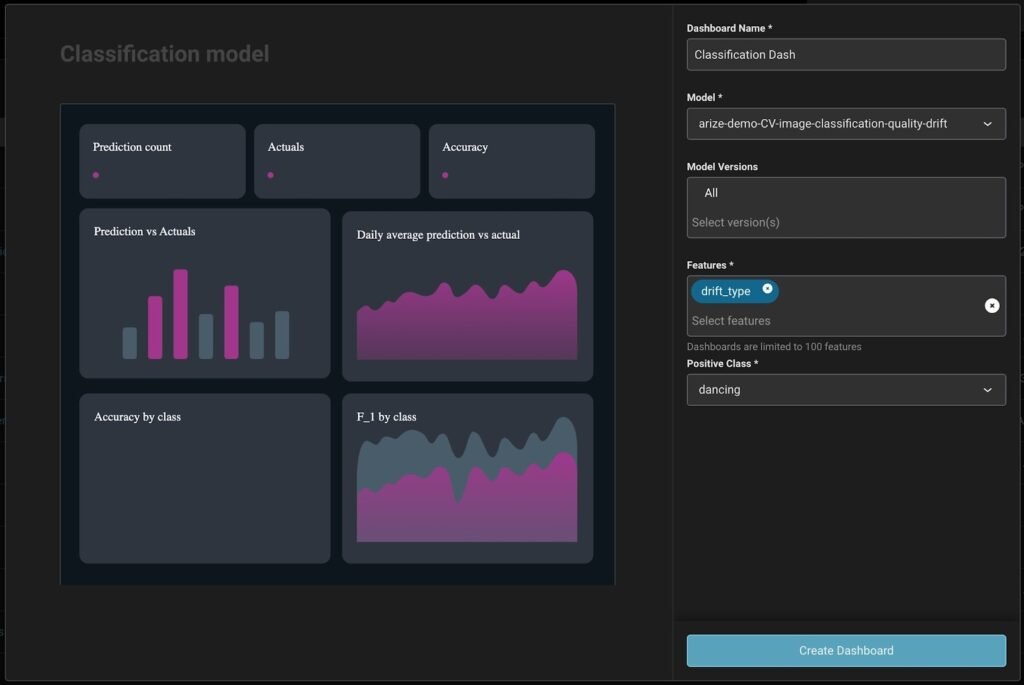
Visual dashboards help teams identify which features contribute to performance shifts.
Step Five Continuous Optimization
Teams adjust models or retrain systems based on observed trends.
The workflow focuses on proactive detection rather than reactive troubleshooting.
Core Features Overview
Arize ai delivers several high value features for ML operations.
Data Drift Monitoring
Detects changes in input data patterns.
Why it matters: Drift can reduce prediction accuracy without obvious warning signs.
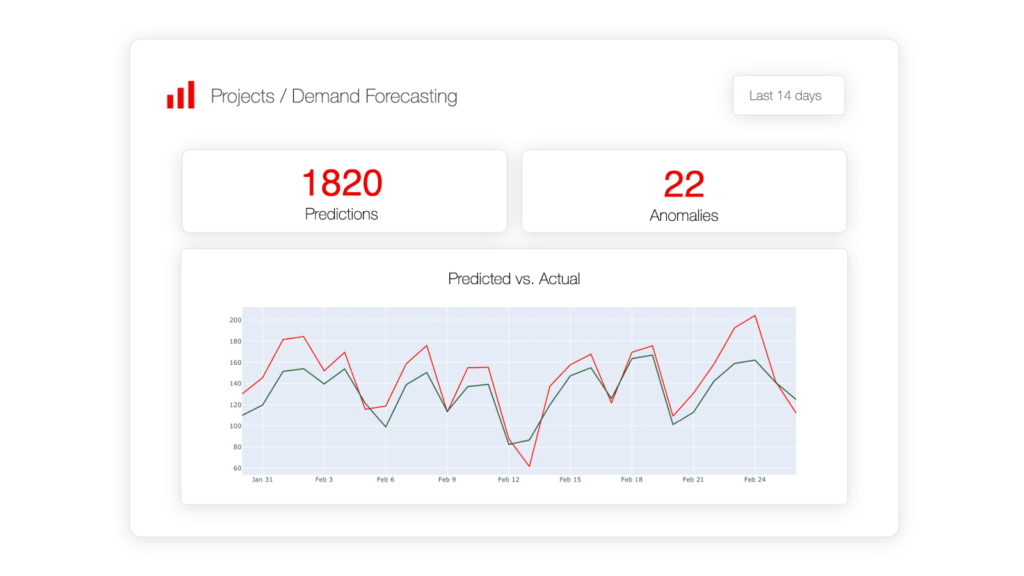
Performance Tracking
Measures accuracy, error rates, and other model health indicators.
Why it matters: Ensures consistent output quality.
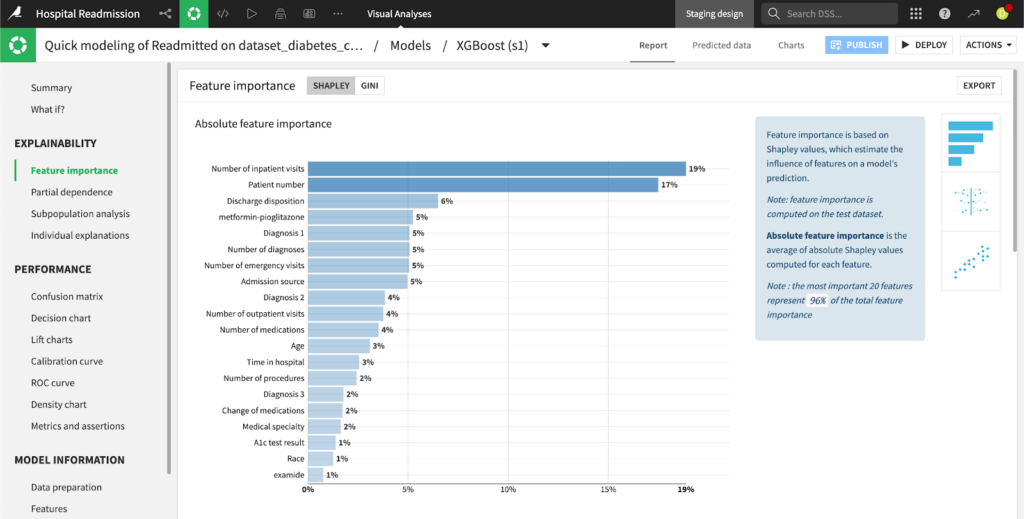
Feature Importance Insights
Highlights which variables influence predictions.
Why it matters: Supports explainability and debugging.
Bias And Fairness Monitoring
Tracks potential bias across segments.
Why it matters: Reduces compliance and reputational risk.
Each feature strengthens AI reliability in production environments.
Key Benefits For Users
Data and ML teams focus on stability and trust.
Early Detection Of Model Degradation
Proactive alerts prevent costly performance issues.
Improved Model Transparency
Explainability features increase stakeholder confidence.
Faster Debugging Cycles
Root cause analysis accelerates issue resolution.
Regulatory Confidence
Monitoring supports compliance and fairness auditing.
Scalable ML Operations
Centralized observability supports growing AI portfolios.
The primary benefit is operational control over AI systems.
Who Should Use This Software
Arize ai is best suited for organizations with active machine learning deployments.
Data Science Teams
Teams managing predictive models benefit from performance tracking.
ML Engineers
Engineers responsible for deployment and monitoring gain real time visibility.
Enterprise AI Leaders
Large organizations operating multiple models require centralized observability.
Fintech And Healthcare Companies
Regulated industries benefit from fairness and compliance monitoring.
Organizations without deployed models may not require dedicated observability tools.
Use Cases And Real World Scenarios
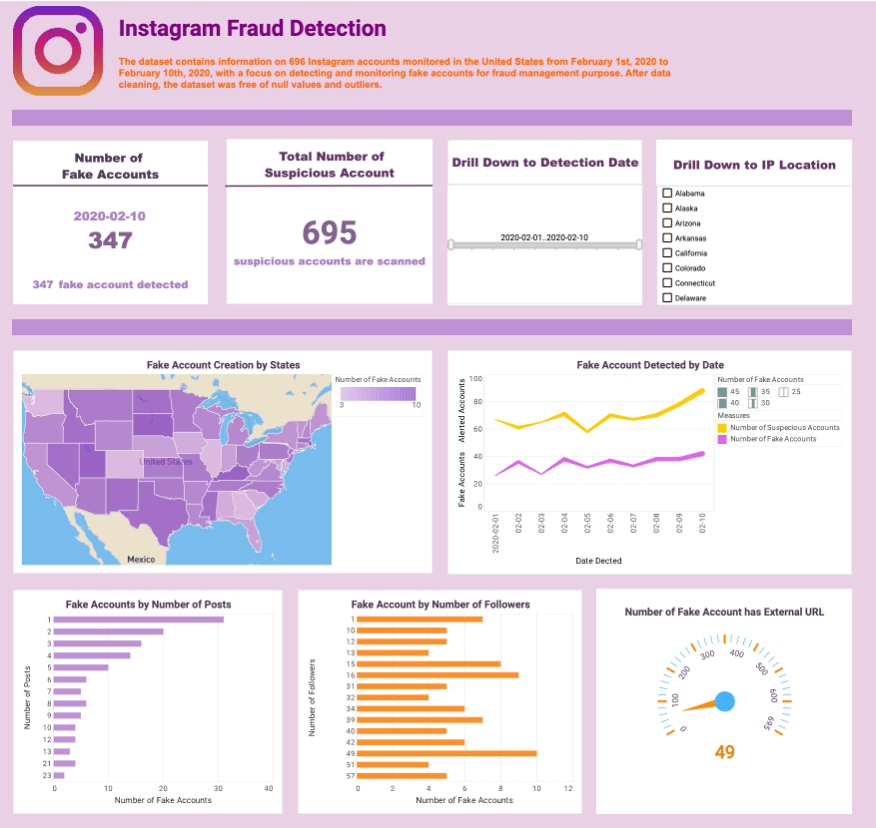
Scenario One Fraud Detection Monitoring
A financial services firm runs fraud detection models in production. Arize ai detects subtle data drift affecting transaction patterns.
Result: Faster retraining and improved fraud prevention accuracy.
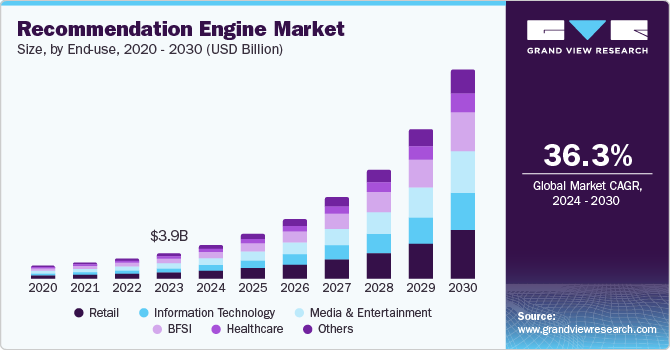
Scenario Two Ecommerce Recommendation System
An online retailer monitors product recommendation models. Performance dashboards reveal seasonal shifts in user behavior.
Result: Optimized recommendations and improved conversions.
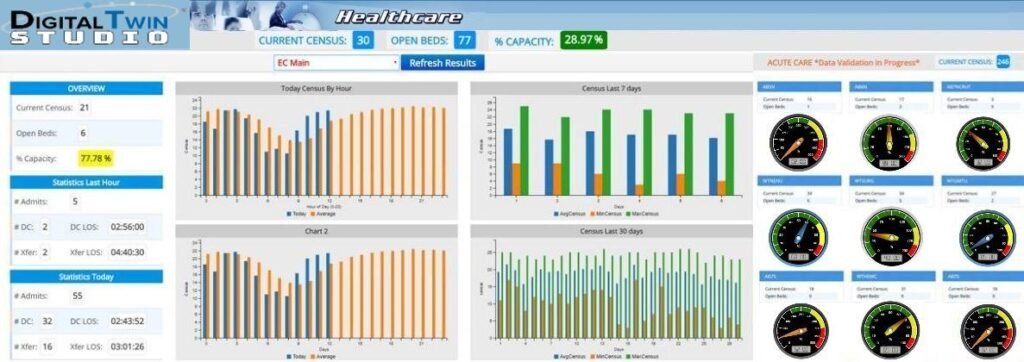
Scenario Three Healthcare Risk Prediction
A healthcare provider tracks predictive risk models. Bias monitoring ensures equitable outcomes across patient groups.
Result: Improved compliance and patient trust.
These scenarios demonstrate mission critical monitoring applications.
User Experience And Interface
Observability tools must balance technical depth with usability.
Arize ai offers visual dashboards that display trends, metrics, and alerts clearly.
The interface is designed for data professionals but remains accessible through structured visualizations.
Integration documentation supports smooth onboarding for ML engineers.
Collaboration features enable cross functional visibility across data, engineering, and compliance teams.
Pricing And Plans Overview
ML observability platforms often use enterprise pricing models based on data volume, model count, and feature access.
Arize ai typically offers customized plans tailored to organizational scale.
Smaller teams may begin with limited deployments, while large enterprises require expanded monitoring coverage.
When evaluating pricing, decision makers should compare potential risk mitigation savings against subscription costs.
Preventing even one major model failure can justify investment.
Pros And Cons
A balanced arize ai review includes strengths and limitations.
Pros
Comprehensive model monitoring
Advanced drift detection
Explainability and bias tracking
Scalable for enterprise use
Improves ML governance
Cons
Primarily suited for technical teams
Requires integration effort
May overlap with internal monitoring solutions
Teams should align platform adoption with ML maturity level.
Comparison With Similar Tools
Arize ai operates alongside ML monitoring platforms such as Fiddler AI and WhyLabs.
Fiddler AI emphasizes explainability and fairness tracking.
WhyLabs focuses on data quality and anomaly detection.
Arize ai differentiates itself with robust production monitoring and feature level insights designed for enterprise environments.
Organizations should compare alerting depth, visualization clarity, and integration flexibility before choosing a solution.
Buying Considerations For Decision Makers
Before adopting arize ai, data leaders should evaluate several factors.
Model Deployment Scale
Observability becomes essential as model count increases.
Regulatory Requirements
Compliance monitoring may require detailed bias and explainability tools.
Infrastructure Compatibility
Ensure seamless integration with existing data pipelines and cloud environments.
Long Term AI Governance
Choose platforms that support structured monitoring frameworks.
Reviewing enterprise case studies demonstrating reduced model risk can strengthen the investment case.
Security Privacy And Compliance
Arize ai processes production model outputs and metadata.
Organizations should review encryption standards, access controls, and compliance certifications.
Secure handling of sensitive data is essential in regulated industries such as finance and healthcare.
Robust governance policies complement technical monitoring capabilities.
Support And Documentation
Enterprise grade support is critical for observability platforms.
Arize ai provides technical documentation, onboarding guidance, and customer support resources.
Dedicated account management may be available for larger deployments.
Clear documentation reduces integration friction for ML engineers.
Final Verdict
This arize ai review highlights a powerful ML observability platform designed for production scale AI systems.
Its strengths lie in drift detection, performance monitoring, explainability, and bias tracking. For data and ML teams operating in high stakes environments, arize ai provides essential visibility and risk management.
It is best suited for organizations with mature AI deployments requiring structured governance.
Smaller teams without production models may not need advanced observability tools.
For enterprises in competitive Tier One markets seeking to ensure reliable and compliant AI performance, arize ai represents a strategic investment in long term machine learning success.
Frequently Asked Questions
Is Arize AI Suitable For Small ML Projects
It is most valuable for production scale deployments.
Does Arize AI Replace Model Development Tools
No. It complements development frameworks by monitoring deployed models.
Can Arize AI Detect Data Drift Automatically
Yes. Drift detection is a core feature.
Is Arize AI Enterprise Focused
Yes. It is designed for teams managing multiple models in production.
Does Arize AI Support Compliance Monitoring
Yes. Bias and fairness tracking support regulatory oversight.