Abacus AI Review What Enterprises Should Know Before Adopting

Artificial intelligence has moved from experimentation to execution. Enterprises across the United States, United Kingdom, Canada, and Australia are under pressure to operationalize AI across analytics, automation, and customer experiences. Yet many organizations struggle with fragmented tools, limited in house expertise, and slow deployment cycles.
That is where abacus ai enters the conversation.
In this abacus ai review, we examine how the platform enables enterprises to build, deploy, and manage AI models without assembling large data science teams from scratch. The software is designed to simplify complex machine learning workflows and accelerate time to value.
The core problem it addresses is clear. Enterprise AI projects often stall due to technical complexity, integration challenges, and governance concerns. Companies need a platform that bridges the gap between business objectives and advanced machine learning capabilities.
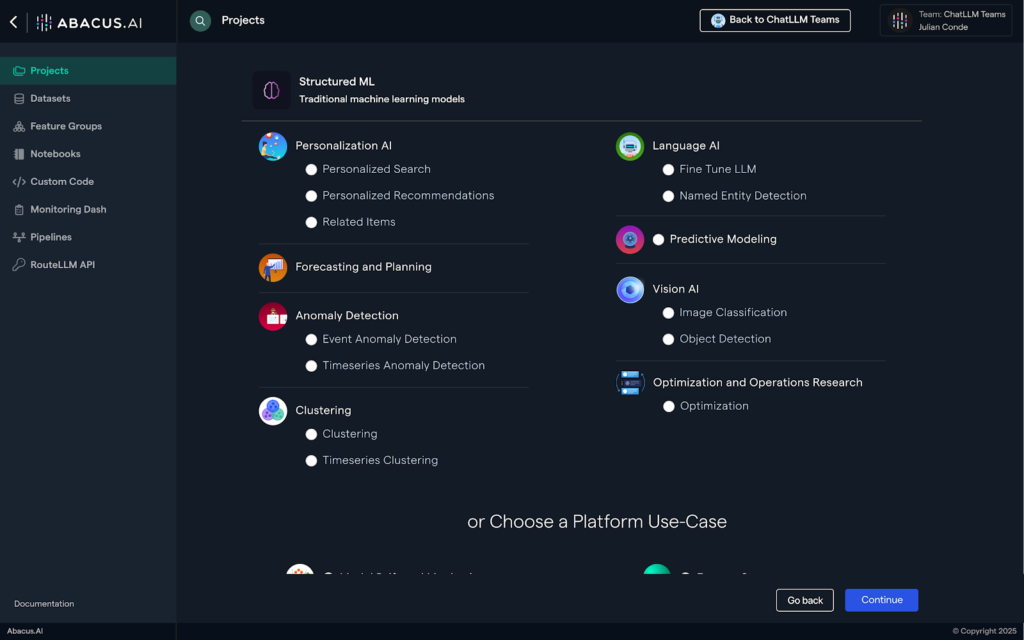
Abacus ai is built for enterprise teams, data leaders, and technology decision makers who want to operationalize AI efficiently. Its primary use cases include predictive analytics, personalization, forecasting, anomaly detection, and generative AI applications.
The purpose is simple. Turn AI ambition into measurable business impact.
What Is Abacus AI
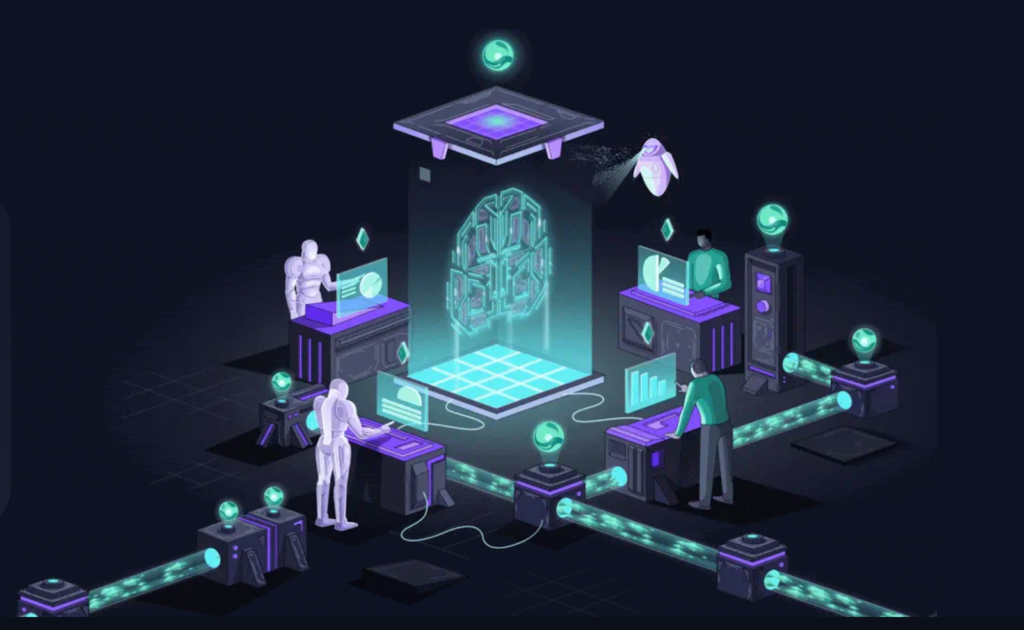
Abacus AI is an end to end AI and machine learning platform designed to help organizations build and deploy intelligent systems at scale. It combines automated machine learning, deep learning infrastructure, and generative AI capabilities within a unified environment.
The company positions itself in the enterprise AI infrastructure space. Rather than offering a single narrow solution, abacus ai provides a broad platform that supports model development, training, deployment, and monitoring.
Within the broader SaaS and AI ecosystem, abacus ai competes with large cloud based AI services and specialized machine learning tools. However, its differentiation lies in automation and usability. It aims to reduce the need for highly specialized expertise while maintaining enterprise grade flexibility.
For readers new to the platform, think of abacus ai as an AI operating layer for your business. It provides the tools and infrastructure required to transform data into production ready intelligence.
How Abacus AI Works
Understanding how abacus ai works is critical for enterprise decision makers evaluating adoption.
Step One Data Integration
Enterprises connect their structured or unstructured data sources. This may include databases, cloud storage systems, CRM platforms, or internal analytics environments. The platform supports ingestion and preparation workflows designed for large scale datasets.
Step Two Model Selection Or Automation
Users can either build custom models or leverage automated machine learning capabilities. Automated workflows help identify optimal algorithms and configurations based on the business problem.
For example, a retail enterprise might select forecasting models for demand planning. A financial services firm may focus on risk prediction models.
Step Three Training And Validation
The system trains models using enterprise data. Performance metrics are generated to help teams evaluate accuracy, precision, and recall. Governance and validation processes can be implemented to ensure compliance with internal standards.
Step Four Deployment Into Production
Once validated, models are deployed via APIs or integrated into enterprise applications. This allows AI insights to power customer experiences, operational decisions, or automated workflows.
Step Five Monitoring And Optimization
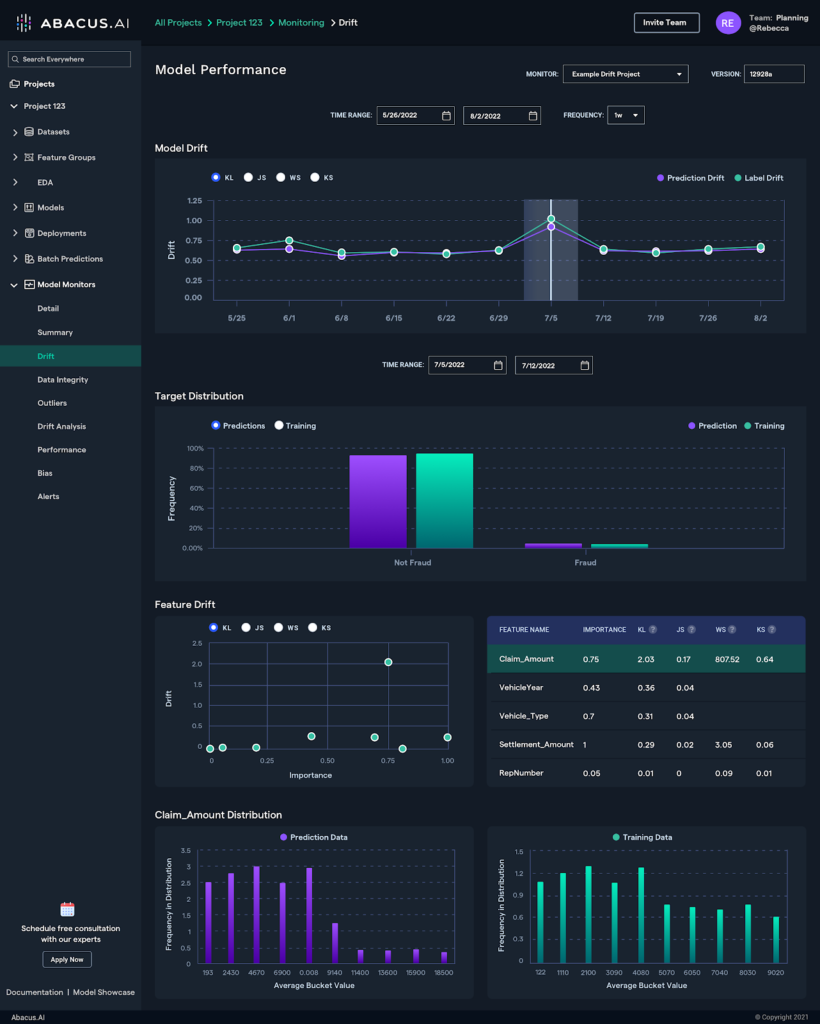
Post deployment monitoring tracks performance drift and data changes. Enterprises can retrain models to maintain reliability and accuracy over time.
The workflow is structured yet flexible. It reduces friction while preserving enterprise control.
Core Features Overview
Abacus ai offers a range of enterprise focused capabilities. Below is a high level overview of its most important features.
Automated Machine Learning
Automated machine learning allows enterprises to build predictive models without manually tuning every parameter. This reduces development time and lowers the barrier to entry for organizations with limited data science resources.
Why it matters: Faster experimentation and quicker time to market.
Generative AI Capabilities
The platform supports generative AI use cases such as intelligent chat systems, document generation, and conversational agents. Enterprises can build internal knowledge assistants or customer facing AI experiences.
Why it matters: Generative AI is increasingly central to digital transformation strategies.
Real Time Predictions And APIs
Abacus ai enables real time inference through APIs. This supports applications such as fraud detection, personalization, and dynamic pricing.
Why it matters: Real time intelligence creates competitive advantage in customer experience and operational efficiency.
Model Monitoring And Governance
Enterprises can monitor model performance and track changes in input data. This helps maintain reliability and supports regulatory compliance.
Why it matters: Governance is essential for industries such as finance, healthcare, and insurance.
Each feature is designed to address enterprise scale challenges. The goal is not just experimentation but sustainable AI deployment.
Key Benefits For Users
Enterprise buyers prioritize outcomes over features. Here are the practical benefits of adopting abacus ai.
Reduced Time To Deployment
Automated workflows accelerate development cycles. Organizations can move from concept to production faster.
Lower Infrastructure Complexity
The platform centralizes AI infrastructure. This reduces the need to manage multiple disconnected tools.
Improved Decision Quality
Predictive models and intelligent automation enhance strategic and operational decision making.
Scalable Architecture
As data volumes grow, abacus ai scales accordingly. This is critical for enterprises with expanding digital footprints.
Cross Functional Collaboration
Business teams and technical teams can collaborate more effectively through shared dashboards and performance metrics.
The overall benefit is strategic agility. Enterprises gain the ability to adapt and innovate through data driven intelligence.
Who Should Use This Software
Abacus ai is best suited for medium to large enterprises with defined AI initiatives.
Chief Data Officers And AI Leaders
Executives responsible for AI strategy can use the platform to standardize development and deployment processes.
Data Science Teams
Teams seeking to accelerate experimentation and reduce repetitive tasks benefit from automation capabilities.
Financial Services And Insurance Firms
These industries require predictive analytics and strict governance. Abacus ai supports both.
Retail And Ecommerce Enterprises
Demand forecasting, personalization, and recommendation systems are common use cases.
Technology Companies
Organizations building AI driven products can leverage the platform for scalable model deployment.
Smaller startups with limited data or minimal AI ambition may find the platform more robust than necessary. It is optimized for enterprise scale challenges.
Use Cases And Real World Scenarios
Practical scenarios illustrate how abacus ai delivers value.
Scenario One Predictive Customer Churn
A telecommunications company integrates customer usage data into abacus ai. The platform builds a predictive model to identify customers at risk of churn. Marketing teams use this insight to launch targeted retention campaigns.
Result: Reduced churn and improved lifetime value.
Scenario Two Financial Risk Modeling
A financial institution uses the platform to develop credit risk models. Automated machine learning accelerates experimentation while governance tools ensure regulatory alignment.
Result: Faster loan approval decisions with controlled risk exposure.
Scenario Three Generative Knowledge Assistant
An enterprise builds an internal AI assistant trained on corporate documents. Employees use it to access policy information and operational guidelines.
Result: Increased productivity and reduced support overhead.
These examples demonstrate that abacus ai is not theoretical technology. It addresses real operational challenges.
User Experience And Interface
Enterprise software must balance power with usability.
Abacus ai offers a structured interface that guides users through model development and deployment workflows. Dashboards display performance metrics in a clear format.
The learning curve depends on user background. Data professionals adapt quickly. Business users may require onboarding support, particularly when interpreting technical metrics.
Design quality emphasizes clarity and functionality. While not consumer focused in appearance, it prioritizes precision and control, which enterprise users value.
Accessibility considerations include documentation and structured navigation that supports distributed teams across global offices.
Pricing And Plans Overview
Enterprise AI platforms typically use customized pricing models based on usage, data volume, and feature access.
Abacus ai generally offers tiered or tailored plans that reflect enterprise scale requirements. Factors influencing cost include compute usage, number of models deployed, and advanced feature access.
There may be proof of concept or pilot options for evaluation. Enterprises should request detailed pricing aligned with projected workloads.
From a value perspective, the cost should be evaluated against potential revenue gains, operational savings, and reduced infrastructure complexity. For organizations replacing fragmented tools, consolidation may generate long term savings.
Pros And Cons
A balanced abacus ai review requires transparency.
Pros
Comprehensive end to end AI platform
Automated machine learning reduces development time
Supports generative AI use cases
Enterprise grade monitoring and governance
Scalable for large datasets
Cons
May require technical expertise for advanced customization
Pricing may be higher than lightweight AI tools
Overkill for small teams without defined AI strategy
For enterprises serious about operational AI, the strengths often outweigh the limitations.
Comparison With Similar Tools
Abacus ai competes with enterprise AI services such as DataRobot and H2O.ai.
DataRobot is known for automated machine learning and strong enterprise adoption. It offers similar capabilities but may focus more heavily on predictive analytics.
H2O.ai provides open source driven machine learning solutions with enterprise extensions. It can appeal to organizations with strong in house technical expertise.
Abacus ai differentiates itself through its unified platform that combines automated machine learning, generative AI, and deployment infrastructure in one environment.
When choosing between these platforms, enterprises should evaluate existing infrastructure, team expertise, and long term AI roadmap.
Buying Considerations For Decision Makers
Before adopting abacus ai, enterprises should conduct a structured evaluation.
Budget And Return On Investment
Estimate potential revenue growth or cost savings from AI driven improvements. Compare this with total cost of ownership.
Integration With Existing Systems
Assess compatibility with cloud providers, databases, and analytics platforms already in use.
Change Management And Adoption
AI adoption requires training and cultural alignment. Ensure internal teams are prepared to leverage the platform effectively.
Long Term Scalability
Consider future data growth and additional use cases. Select a platform that supports expansion rather than requiring migration later.
Referencing SaaS review case studies and documented enterprise outcomes can strengthen internal business cases. Decision makers should prioritize measurable impact over hype.
Security Privacy And Compliance
Enterprise buyers must evaluate data protection rigorously.
Abacus ai supports enterprise security practices such as access controls, encryption, and monitoring. Organizations should review documentation regarding data storage, processing location, and compliance certifications.
For industries governed by strict regulations, compliance alignment is essential. Enterprises should verify that the platform supports their specific regulatory requirements.
Strong governance features contribute to risk mitigation and executive confidence.
Support And Documentation
Enterprise software adoption depends on reliable support.
Abacus ai provides documentation, onboarding resources, and customer support channels. Enterprises should clarify response time expectations and availability of dedicated account management.
Comprehensive documentation accelerates onboarding and reduces dependency on external consultants.
For mission critical AI deployments, proactive support and structured service level agreements are valuable considerations.
Final Verdict
This abacus ai review demonstrates that the platform is built for enterprises seeking structured, scalable AI adoption.
Its strengths lie in automation, end to end capabilities, and enterprise governance. It enables organizations to transition from isolated AI experiments to production ready systems.
Abacus ai is best suited for enterprises with defined AI strategies, robust data infrastructure, and cross functional teams committed to data driven transformation.
Organizations with minimal AI maturity may need to build foundational capabilities before fully leveraging the platform.
For enterprises in Tier One markets that prioritize scalability, compliance, and measurable outcomes, abacus ai represents a credible and strategic investment.
Frequently Asked Questions
Is Abacus AI Suitable For Small Businesses
It is primarily designed for enterprises and larger organizations with substantial data and AI use cases.
Does Abacus AI Require A Data Science Team
While automation reduces complexity, technical expertise enhances customization and performance optimization.
Can Abacus AI Integrate With Existing Cloud Infrastructure
Yes. Enterprises can integrate it with common data storage and application environments.
Is Abacus AI Scalable For Long Term Growth
Yes. The platform is built to handle expanding datasets and increasing model complexity.
Does Abacus AI Support Generative AI Applications
Yes. Enterprises can develop conversational systems, document generation tools, and other generative AI solutions within the platform.