

Astronomer AI Review What Data Teams Should Know Before Adopting It

Modern data teams operate in an environment defined by scale, complexity, and speed. Organizations across the United States, United Kingdom, Canada, and Australia are generating massive volumes of data from applications, customer interactions, IoT systems, and cloud platforms.
However, collecting data is not the challenge anymore. Orchestrating, managing, and operationalizing data pipelines reliably is where many teams struggle.
That is where astronomer ai enters the conversation.
In this astronomer ai review, we evaluate how the platform helps data teams build, deploy, and manage data workflows at scale using Apache Airflow powered infrastructure. The goal is to simplify orchestration while maintaining enterprise reliability and governance.
The core problem is clear. Data pipelines break, scaling becomes difficult, and operational overhead increases as organizations grow. Teams need a robust orchestration platform that supports production grade workflows without excessive maintenance complexity.
Astronomer ai is designed for data engineers, analytics teams, platform engineers, and enterprises running mission critical data infrastructure. Its primary use cases include ETL orchestration, machine learning pipeline management, analytics workflow scheduling, and cloud native data operations.
The objective is simple. Deliver reliable, scalable data orchestration without operational chaos.
What Is Astronomer AI
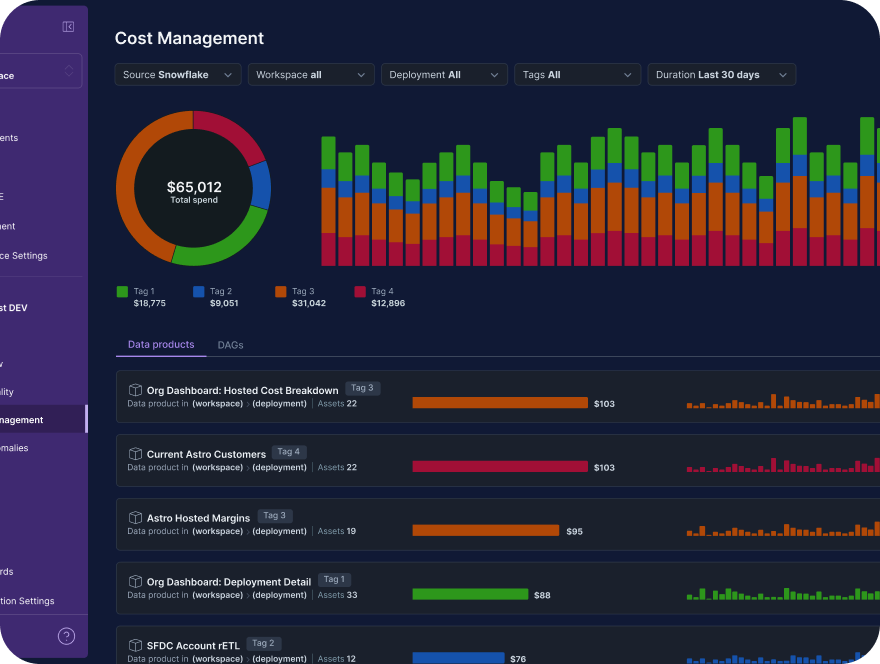
Astronomer is a data orchestration platform built around Apache Airflow, providing managed infrastructure and tooling to simplify workflow automation for data teams.
While commonly associated with Apache Airflow management, astronomer ai extends beyond basic orchestration. It provides enterprise features such as monitoring, scaling, deployment automation, and governance capabilities.
Within the broader data infrastructure ecosystem, astronomer ai competes with managed workflow services and cloud native orchestration solutions. Its differentiation lies in deep Airflow expertise, enterprise reliability, and developer friendly tooling.
For teams new to the category, think of astronomer ai as an enterprise grade operating system for managing complex data pipelines.
How Astronomer AI Works
Understanding how astronomer ai functions is essential for evaluating technical fit.
Step One Workflow Development
Data engineers define workflows using Apache Airflow DAGs (Directed Acyclic Graphs). These workflows represent tasks such as data extraction, transformation, model training, and reporting.
Step Two Deployment And Environment Management
Astronomer ai provides managed environments where workflows can be deployed securely and consistently.
Step Three Orchestration And Scheduling
The platform schedules and executes tasks based on dependencies, time triggers, or event based logic.
Step Four Monitoring And Observability
Dashboards track task execution status, failures, retries, and performance metrics.
Step Five Scaling And Optimization
Infrastructure automatically scales based on workload demand, ensuring reliable pipeline execution.
This structured approach reduces operational burden while preserving flexibility for engineering teams.
Core Features Overview
Astronomer ai delivers enterprise ready orchestration capabilities.
Managed Apache Airflow
Provides fully managed Airflow infrastructure with deployment automation.
Why it matters: Reduces maintenance overhead and accelerates time to production.
Workflow Observability
Comprehensive monitoring tools for tracking pipeline health.
Why it matters: Early detection of failures prevents downstream data issues.
Scalable Cloud Infrastructure
Supports dynamic scaling based on workload.
Why it matters: Ensures performance stability during peak processing periods.
Security And Access Controls
Role based permissions and environment isolation.
Why it matters: Supports governance and regulatory compliance.
CI CD Integration
Enables version control and automated deployment of workflows.
Why it matters: Aligns data operations with modern DevOps practices.
Each feature addresses real challenges faced by data engineering teams.
Key Benefits For Data Teams
Increased Reliability
Managed orchestration reduces unexpected downtime and pipeline failures.
Reduced Operational Overhead
Teams focus on building workflows rather than managing infrastructure.
Faster Deployment Cycles
Automated environment setup accelerates onboarding of new pipelines.
Enterprise Scalability
Infrastructure grows alongside organizational data demands.
Improved Collaboration
Standardized workflows enable cross team visibility and accountability.
For data driven enterprises, these benefits translate into operational resilience and improved data trust.
Who Should Use Astronomer AI
Astronomer ai is best suited for organizations with mature data operations.
Data Engineering Teams
Teams managing complex ETL and ELT pipelines benefit from orchestration standardization.
Machine Learning Teams
ML engineers orchestrating model training and deployment workflows gain scalability advantages.
Enterprise Analytics Departments
Organizations requiring reliable reporting and dashboard updates.
Cloud First Companies
Businesses operating in AWS, Azure, or GCP environments.
Regulated Industries
Finance, healthcare, and government sectors requiring auditability and governance.
Smaller teams with minimal pipeline complexity may find simpler scheduling tools sufficient. Astronomer ai is optimized for scale.
Use Cases And Real World Scenarios
Scenario One Enterprise ETL Automation
A multinational retailer orchestrates nightly data ingestion from multiple regional systems.
Result: Reliable centralized analytics reporting.
Scenario Two Machine Learning Pipeline Management
An AI driven SaaS company uses astronomer ai to manage feature engineering and model retraining workflows.
Result: Improved model reliability and faster iteration cycles.
Scenario Three Data Platform Modernization
A financial services firm migrates legacy cron jobs to managed Airflow environments.
Result: Enhanced monitoring and reduced operational risk.
These scenarios demonstrate practical enterprise adoption rather than experimental use.
User Experience And Interface
Astronomer ai prioritizes functionality over aesthetics. The interface focuses on DAG visualization, execution logs, and performance tracking.
Data engineers familiar with Apache Airflow adapt quickly. For less experienced users, onboarding documentation and structured training may be required.
The platform aligns with engineering workflows rather than business user dashboards. Its primary audience remains technical teams.
Pricing And Plans Overview
Managed data orchestration platforms typically use subscription based or usage driven pricing models influenced by:
- Number of workflows
- Compute resources used
- Environment scaling requirements
- Support tier selection
Astronomer ai offers tiered enterprise plans designed to accommodate startup growth through large scale enterprise operations.
When evaluating cost, organizations should compare:
- Internal DevOps staffing costs
- Infrastructure hosting expenses
- Downtime related losses
In many cases, managed orchestration reduces long term operational expenses.
Pros And Cons
Pros
Enterprise grade reliability
Managed Apache Airflow expertise
Scalable infrastructure
Strong observability features
Supports DevOps best practices
Cons
Requires technical expertise
May be excessive for small teams
Cost increases with scaling workloads
Limited appeal for non technical stakeholders
Overall, strengths align with production level data operations.
Comparison With Similar Tools
Astronomer ai competes with:
- Google Cloud – Offers Cloud Composer for managed Airflow.
- Amazon Web Services – Provides managed workflow services.
- Prefect – A modern alternative to Airflow with developer focused features.
Astronomer ai differentiates itself through deep Airflow specialization, enterprise support, and workflow governance capabilities.
Choosing the right platform depends on existing cloud commitments and internal engineering expertise.
Buying Considerations For Decision Makers
Before adopting astronomer ai, data leaders should evaluate:
Pipeline Complexity
Assess how many workflows require orchestration and monitoring.
Engineering Resources
Determine internal expertise in Apache Airflow and DevOps.
Cloud Strategy Alignment
Ensure compatibility with primary cloud providers.
Compliance Requirements
Confirm support for industry specific regulations.
Long Term Scalability
Evaluate projected data growth and workload expansion.
A structured evaluation ensures alignment with strategic data objectives.
Security Privacy And Compliance
Enterprise data pipelines often process sensitive customer or financial information.
Astronomer ai supports role based access control, environment isolation, and secure deployment practices. Organizations should review compliance certifications and encryption standards.
Strong governance capabilities reinforce trust in data driven decision making.
Support And Documentation
Adopting orchestration infrastructure requires reliable support.
Astronomer ai provides documentation, deployment guides, and enterprise support packages. Dedicated account management may be available for larger organizations.
Effective onboarding accelerates time to production and reduces operational risk.
Final Verdict
This astronomer ai review highlights a platform built for serious data operations.
Its strengths lie in managed Apache Airflow infrastructure, enterprise scalability, and workflow reliability. For data teams struggling with fragile pipelines and growing complexity, astronomer ai offers structured, production ready orchestration.
It is best suited for mid to large enterprises with established data engineering teams and significant workflow demands.
Smaller teams with minimal pipeline requirements may not need advanced orchestration capabilities.
For organizations prioritizing reliability, scalability, and governance, astronomer ai represents a strategic investment in data infrastructure maturity.
Frequently Asked Questions
Is Astronomer AI Suitable For Small Teams
It may be excessive for small teams with simple scheduling needs.
Does Astronomer AI Replace Apache Airflow
No. It enhances and manages Apache Airflow infrastructure.
Is Astronomer AI Cloud Compatible
Yes. It supports major cloud providers.
Can Astronomer AI Scale With Data Growth
Yes. The platform is designed for enterprise scalability.
Does Astronomer AI Require Engineering Expertise
Yes. It is primarily designed for technical data teams.