
Assembly AI Review What Developers and Businesses Should Know

Voice data is becoming one of the most valuable and underutilized business assets. From customer support calls and sales conversations to virtual meetings and media content, audio contains insights that can drive smarter decisions and better user experiences.
However, extracting structured, actionable intelligence from speech has traditionally required complex infrastructure and machine learning expertise.
That is where assembly ai enters the conversation.
In this assembly ai review, we explore how the platform enables developers and businesses to integrate advanced speech to text and audio intelligence capabilities into their applications without building models from scratch.
The core problem is clear. Audio data is growing exponentially, but processing and analyzing it at scale is technically demanding. Companies need accurate, scalable, and developer friendly APIs to transform speech into usable data.
Assembly ai is designed for developers, product teams, AI engineers, and enterprises building voice enabled applications. Primary use cases include transcription, sentiment analysis, summarization, content moderation, call analytics, and real time speech intelligence.
The goal is simple. Turn raw audio into structured, business ready intelligence.
What Is Assembly AI
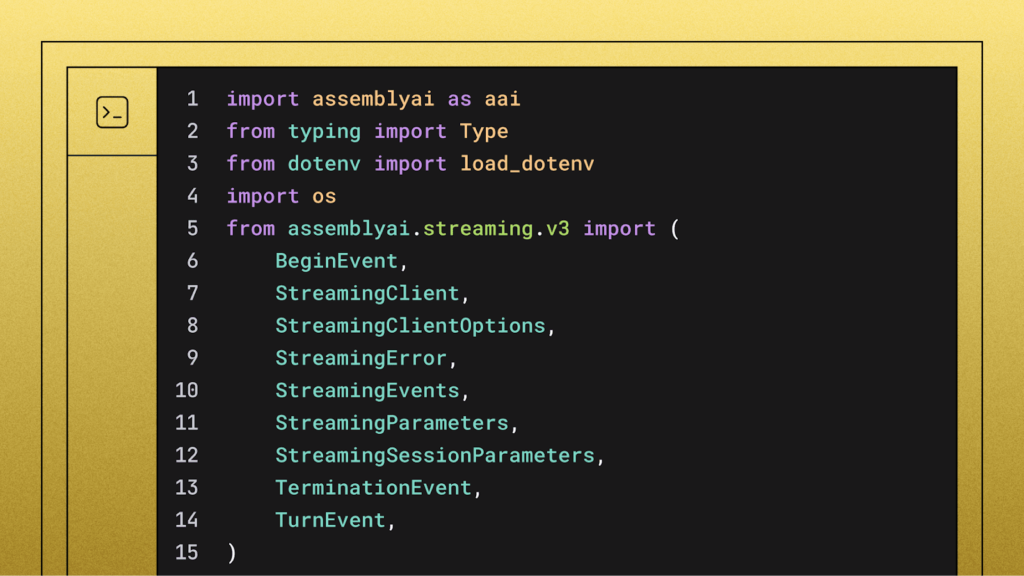
AssemblyAI is a speech AI platform that provides APIs for speech to text transcription and advanced audio intelligence features.
Rather than offering a full end user SaaS interface, assembly ai primarily serves developers and product teams who want to embed voice intelligence directly into applications.
Within the broader AI infrastructure ecosystem, assembly ai competes with large cloud providers and specialized speech recognition platforms. Its differentiation lies in accuracy, ease of integration, and developer centric tooling.
For readers unfamiliar with the category, think of assembly ai as a programmable speech intelligence layer that transforms spoken audio into structured insights.
How Assembly AI Works
Understanding how assembly ai operates helps clarify its technical value.
Step One Audio Input
Developers send audio files or real time audio streams to the AssemblyAI API. This may include call recordings, podcasts, interviews, or in app voice interactions.
Step Two Speech To Text Processing
The system converts spoken words into written text using advanced automatic speech recognition models.
Step Three Audio Intelligence Features
Beyond basic transcription, developers can enable features such as:
- Sentiment analysis
- Topic detection
- Summarization
- Content moderation
- Speaker diarization
- Entity recognition
Step Four Structured Output Delivery
The API returns structured JSON responses that can be integrated into applications, dashboards, or analytics systems.
Step Five Ongoing Optimization
Developers can monitor accuracy, performance, and latency metrics to optimize workflows.
The process is designed for scalability and production deployment.
Core Features Overview
Assembly ai provides a comprehensive set of speech intelligence capabilities.
High Accuracy Speech To Text
Advanced automatic speech recognition models support diverse accents and environments.
Why it matters: Reliable transcription is foundational for downstream analytics.
Real Time Transcription
Developers can process live audio streams.
Why it matters: Enables voice enabled apps, live captions, and interactive systems.
Audio Intelligence APIs
Features such as summarization, sentiment detection, and topic extraction add contextual understanding.
Why it matters: Businesses gain insights rather than raw transcripts.
Speaker Identification
The platform distinguishes between multiple speakers in a conversation.
Why it matters: Essential for call center analytics and meeting intelligence tools.
Scalable Cloud Infrastructure
Designed to process large volumes of audio.
Why it matters: Enterprises can scale without building internal ML infrastructure.
Each feature supports application level integration rather than standalone consumer usage.
Key Benefits For Developers And Businesses
Faster Product Development
Developers avoid building and training speech recognition models internally.
Reduced Infrastructure Complexity
Cloud based APIs eliminate the need for specialized ML operations teams.
Enhanced Customer Insights
Call centers and sales teams can analyze conversations for trends and sentiment.
Scalable Architecture
The platform handles increasing audio volumes without requiring architectural redesign.
Improved User Experience
Voice enabled applications become more responsive and intelligent.
For SaaS companies building voice features, these benefits accelerate innovation.
Who Should Use Assembly AI
Assembly ai is particularly valuable for organizations integrating speech functionality into products.
SaaS Product Teams
Companies building meeting assistants, transcription tools, or communication platforms.
Call Centers And Customer Support Teams
Organizations analyzing call recordings for quality assurance and compliance.
Media And Content Platforms
Businesses transcribing podcasts, interviews, and video content.
Healthcare And Legal Technology Providers
Industries requiring accurate documentation from spoken interactions.
AI Startups
Startups incorporating voice interfaces into new applications.
Small businesses without significant audio data may not require advanced API capabilities. The platform is optimized for technical teams building scalable solutions.
Use Cases And Real World Scenarios
Scenario One Call Center Analytics
A customer support organization integrates assembly ai into its CRM. All recorded calls are automatically transcribed and analyzed for sentiment.
Result: Improved service quality monitoring and faster issue identification.
Scenario Two Meeting Intelligence Platform
A SaaS startup builds a meeting assistant tool that records virtual meetings and provides automated summaries.
Result: Increased productivity for remote teams.
Scenario Three Media Transcription Service
A media company uses assembly ai to transcribe podcast episodes and generate searchable content archives.
Result: Enhanced discoverability and content repurposing opportunities.
These examples demonstrate practical applications beyond simple transcription.
User Experience And Developer Experience
Assembly ai emphasizes developer friendliness.
Comprehensive API documentation, SDKs, and example code support quick integration. The platform provides structured endpoints that simplify implementation.
The learning curve depends on developer experience with REST APIs and JSON responses. However, compared to building in house speech models, integration complexity is significantly lower.
For product teams, speed of deployment is a critical advantage.
Pricing And Plans Overview
Speech AI platforms typically use usage based pricing models determined by:
- Minutes of audio processed
- Real time versus batch transcription
- Advanced feature activation
- Volume commitments
Assembly ai generally follows a pay as you go structure, making it accessible for startups while supporting enterprise scale deployments.
When evaluating cost, businesses should compare:
- Internal model development expenses
- Infrastructure hosting costs
- Opportunity cost of delayed product releases
For many teams, API based pricing provides flexibility and predictable scaling.
Pros And Cons
Pros
High accuracy transcription
Advanced audio intelligence features
Developer friendly APIs
Real time processing capabilities
Scalable cloud infrastructure
Cons
Requires technical integration
Costs increase with large audio volumes
Not a standalone consumer facing tool
Customization may require engineering resources
Overall, strengths align with product driven organizations building voice enabled solutions.
Comparison With Similar Tools
Assembly ai competes with:
- Google Cloud – Offers speech to text APIs within its broader cloud ecosystem.
- Amazon Web Services – Provides transcription through Amazon Transcribe.
- Deepgram – Specializes in speech recognition and audio intelligence APIs.
While large cloud providers bundle speech services within extensive ecosystems, assembly ai differentiates itself with focused speech intelligence innovation and simplified developer workflows.
Choosing between platforms depends on existing infrastructure and feature requirements.
Buying Considerations For Decision Makers
Before adopting assembly ai, consider:
Integration Complexity
Assess internal developer resources available for API implementation.
Audio Volume Forecasting
Estimate monthly audio processing needs to model cost projections.
Accuracy Requirements
Test sample data to validate transcription performance.
Data Privacy And Compliance
Ensure the platform aligns with regulatory requirements for sensitive audio data.
Long Term Scalability
Evaluate how voice functionality fits into future product roadmaps.
A structured evaluation reduces risk and ensures ROI alignment.
Security Privacy And Compliance
Speech data can be sensitive, particularly in industries such as healthcare, finance, and legal services.
Assembly ai supports secure data transmission practices and provides enterprise grade infrastructure. Businesses should review documentation regarding encryption, data retention, and compliance certifications.
Responsible voice data handling strengthens customer trust and regulatory alignment.
Support And Documentation
Strong documentation is critical for API adoption.
Assembly ai provides API references, tutorials, and integration guides. Developers can access support channels for troubleshooting and optimization.
For enterprise deployments, structured service agreements and onboarding assistance may be available.
Reliable support ensures speech intelligence systems remain production ready.
Final Verdict
This assembly ai review demonstrates that the platform is built for developers and businesses seeking scalable speech intelligence solutions.
Its strengths lie in accurate transcription, advanced audio analytics, and developer focused integration. Rather than functioning as a standalone application, assembly ai serves as an infrastructure layer for voice powered products.
It is best suited for SaaS companies, enterprises, and startups building applications where audio intelligence is central to the user experience.
Organizations without significant voice data needs may not require such advanced capabilities.
For product driven companies in competitive markets, assembly ai represents a powerful and flexible speech AI solution.
Frequently Asked Questions
Is Assembly AI Suitable For Non Technical Users
The platform is primarily designed for developers and technical teams.
Does Assembly AI Support Real Time Transcription
Yes. Real time streaming APIs enable live transcription use cases.
Can Assembly AI Be Used For Call Analytics
Yes. Sentiment analysis, speaker identification, and summarization features support call center applications.
Is Assembly AI Scalable For Enterprise Use
Yes. The cloud infrastructure supports high volume audio processing.
Does Assembly AI Provide Only Transcription
No. It also offers advanced audio intelligence features such as summarization, topic detection, and content moderation.