
Apache AI Review What Developers and Enterprises Should Know

Artificial intelligence is no longer limited to research labs or tech giants. Enterprises and development teams across industries are integrating AI into data pipelines, analytics systems, customer platforms, and internal tools.
However, one major challenge remains. Building AI solutions that are scalable, interoperable, and enterprise ready requires strong infrastructure.
This is where apache ai becomes relevant.
In this apache ai review, we examine how Apache based AI ecosystems support machine learning, big data processing, and scalable AI deployments. Rather than being a single product, apache ai represents a collection of open source frameworks and tools developed under the Apache Software Foundation that power enterprise grade AI workflows.
The problem it addresses is infrastructure fragmentation. Organizations need reliable, scalable, and open frameworks to build AI systems without vendor lock in.
Apache ai technologies are designed for developers, data engineers, AI researchers, and enterprises building production scale AI solutions.
What Is Apache AI
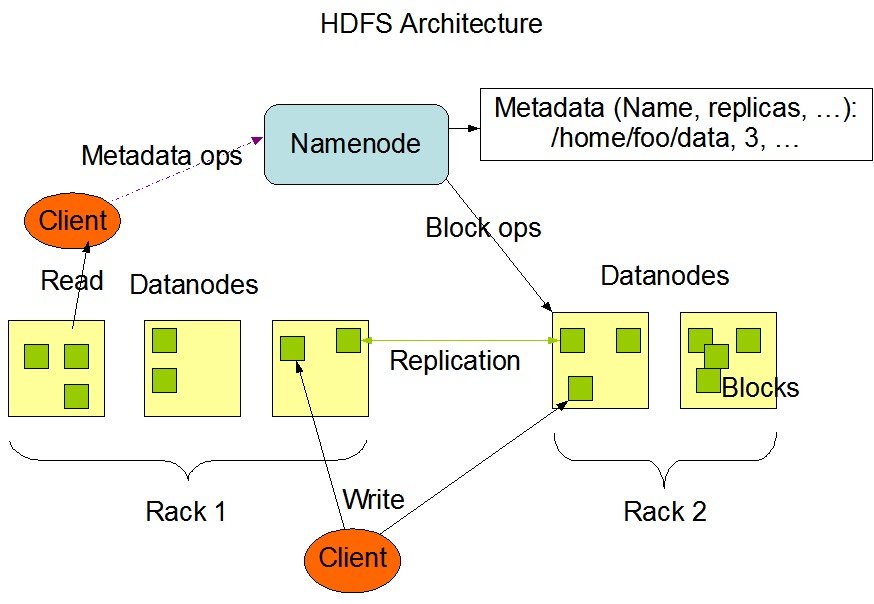
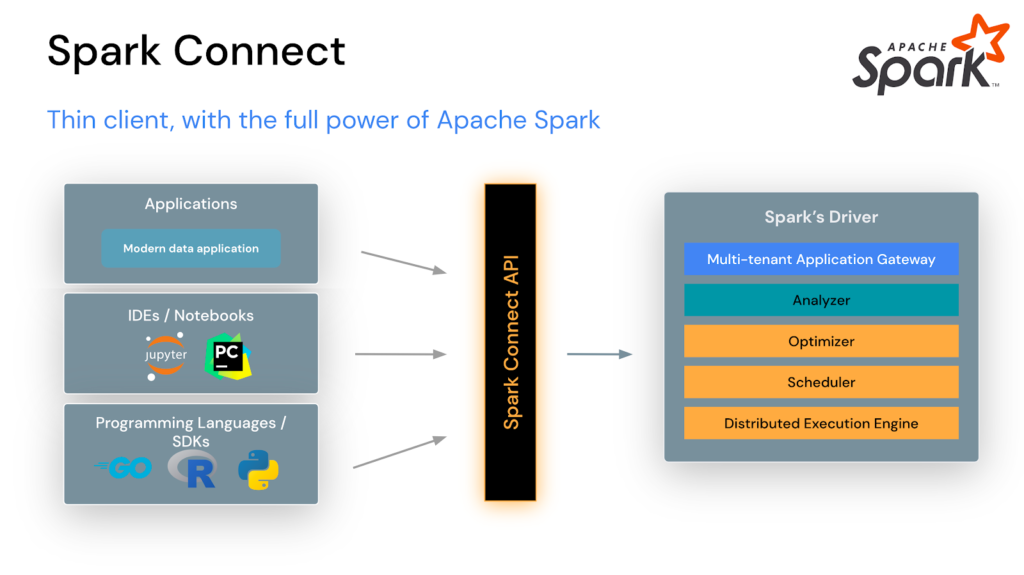
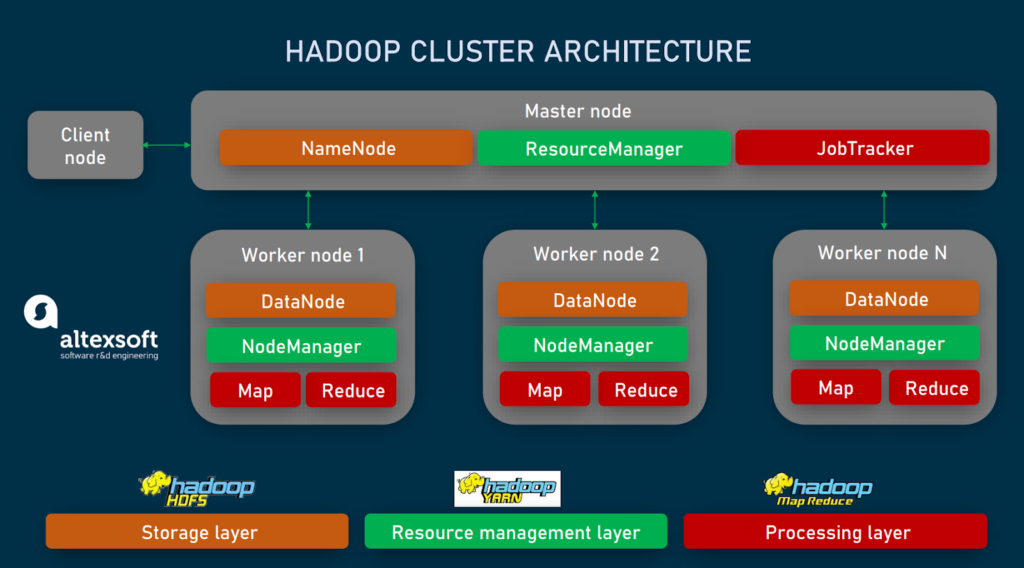
Apache Software Foundation oversees a broad ecosystem of open source technologies that support data processing, distributed computing, and machine learning.
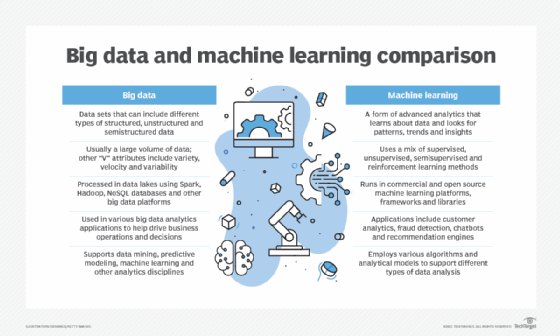
When referring to apache ai, most organizations are discussing AI related frameworks within this ecosystem, such as Apache Spark for large scale data analytics and machine learning, and Apache Hadoop for distributed data storage and processing.
Rather than being a standalone AI tool, apache ai represents an open source foundation for building scalable AI systems.
Within the broader SaaS and enterprise landscape, Apache based AI tools are often used as infrastructure layers beneath custom applications and enterprise platforms.
For developers and enterprises seeking control, flexibility, and scalability, Apache technologies provide a strong foundation.
How Apache AI Works
Understanding how apache ai works requires looking at its architectural role.
Step One Data Ingestion And Storage
Frameworks like Hadoop manage distributed storage across clusters, enabling enterprises to handle massive datasets.
Step Two Data Processing
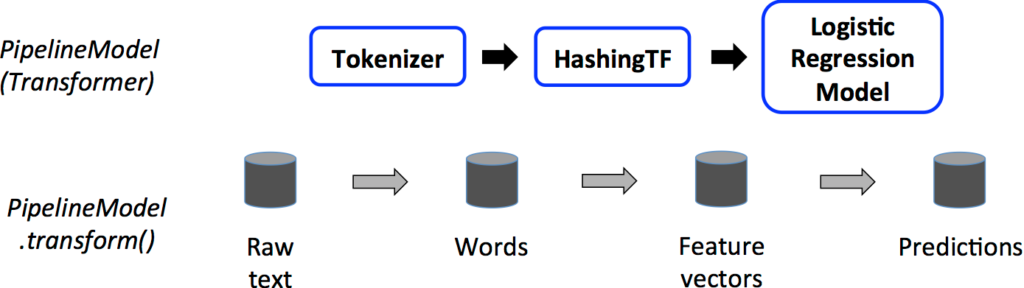
Apache Spark processes structured and unstructured data at scale. It supports distributed computation for analytics and machine learning tasks.
Step Three Model Development
Spark includes machine learning libraries that allow developers to build and train predictive models directly within distributed environments.
Step Four Deployment And Integration
Models and analytics outputs can be integrated into enterprise applications, dashboards, or APIs.
Step Five Monitoring And Scaling
Cluster based architecture ensures horizontal scalability and performance optimization.
The key concept is distributed computing. Apache ai frameworks enable large datasets to be processed across multiple nodes efficiently.
Core Features Overview
Apache ai technologies offer several foundational capabilities.
Distributed Data Processing
Frameworks handle large volumes of data across clusters.
Why it matters: Enterprises can scale AI workloads efficiently.
Machine Learning Libraries
Spark MLlib provides tools for classification, regression, clustering, and recommendation systems.
Why it matters: Developers can build models without switching environments.
Open Source Flexibility
Apache tools are open source and widely supported by global developer communities.
Why it matters: Reduces vendor lock in and increases customization potential.
Integration With Cloud Platforms
Apache frameworks integrate with major cloud providers and enterprise data systems.
Why it matters: Supports hybrid and multi cloud deployments.
These features position apache ai as infrastructure rather than a consumer level AI application.
Key Benefits For Users
Enterprises evaluate AI infrastructure based on scalability and reliability.
High Scalability
Distributed clusters handle large datasets efficiently.
Cost Control
Open source licensing reduces software costs compared to proprietary enterprise platforms.
Flexibility And Customization
Developers can modify frameworks to fit specific use cases.
Strong Community Support
Extensive documentation and community contributions support continuous innovation.
Enterprise Ready Performance
Proven performance in large scale deployments across industries.
The overall benefit is control. Enterprises maintain ownership of their AI architecture.
Who Should Use This Software
Apache ai frameworks are best suited for technically mature teams.
Data Engineering Teams
Engineers managing large scale data pipelines benefit from distributed processing tools.
AI Development Teams
Teams building custom machine learning models at scale gain flexibility.
Large Enterprises
Organizations handling high data volumes require scalable infrastructure.
Cloud Native Companies
Businesses operating hybrid or multi cloud systems integrate Apache frameworks effectively.
Smaller businesses without in house technical teams may find managed AI platforms more accessible.
Use Cases And Real World Scenarios


Scenario One Financial Analytics
A financial institution processes millions of transactions daily. Apache Spark handles distributed computation for fraud detection models.
Result: Faster analysis and improved risk detection.
Scenario Two Retail Demand Forecasting
A global retailer analyzes sales data across regions using distributed storage and machine learning models.
Result: Improved inventory management and reduced waste.
Scenario Three Telecommunications Optimization
A telecom provider processes network performance data to predict outages.
Result: Proactive maintenance and improved service reliability.
These scenarios highlight the infrastructure level impact of apache ai technologies.
User Experience And Interface
Apache ai frameworks are developer focused rather than user interface driven.
Most tools operate through code, command line environments, or integrated development environments.
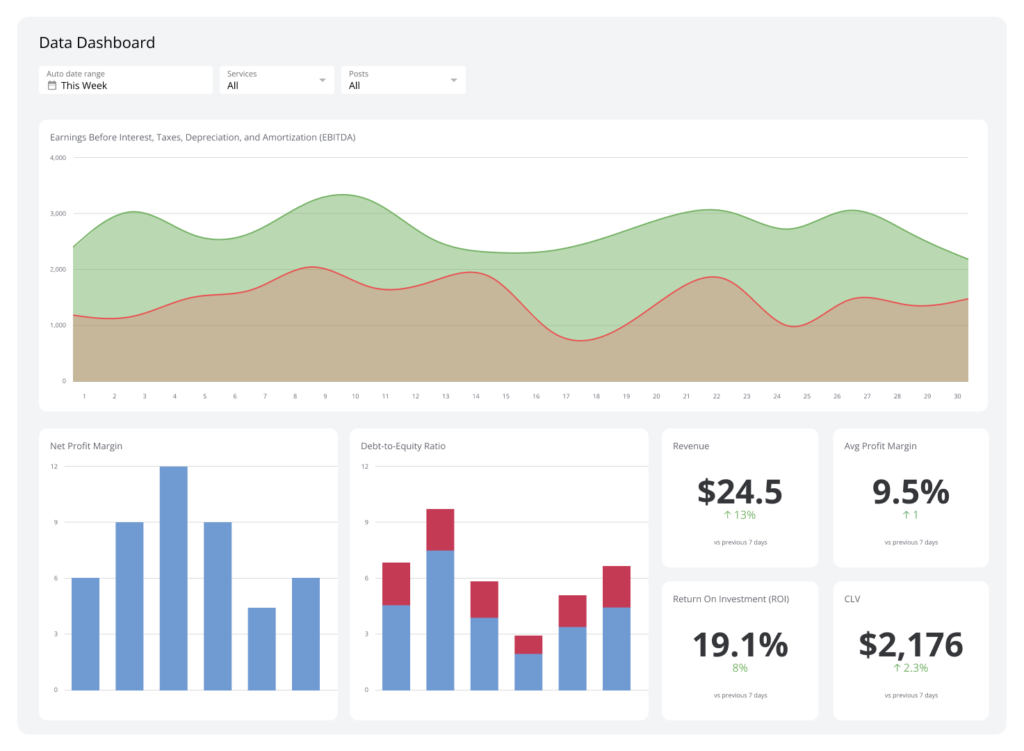
Dashboards and visualizations are typically built on top of the core infrastructure.
The learning curve is steep compared to plug and play SaaS tools. However, experienced engineers value the flexibility and control.
Extensive documentation and community forums support onboarding.
Pricing And Plans Overview
Apache ai technologies are open source, meaning there are no licensing fees for the core software.
However, enterprises must account for infrastructure costs, cloud hosting fees, and engineering resources required for deployment and maintenance.
Managed cloud services may offer hosted Apache environments with subscription pricing.
Organizations should evaluate total cost of ownership, including infrastructure scaling and personnel expertise.
Compared to proprietary enterprise AI platforms, apache ai can offer significant cost advantages at scale.
Pros And Cons
A balanced apache ai review includes both strengths and limitations.
Pros
Open source and flexible
Highly scalable
Strong community ecosystem
Enterprise proven reliability
Integrates with cloud platforms
Cons
Requires significant technical expertise
No built in graphical interface for end users
Infrastructure management complexity
Organizations must ensure they have skilled teams to manage deployment and scaling.
Comparison With Proprietary AI Platforms
Apache ai infrastructure differs from proprietary AI services offered by companies such as IBM and Amazon Web Services.
Proprietary platforms often provide managed AI services with simplified interfaces and support.
Apache ai frameworks offer deeper customization and open ecosystem flexibility but require more hands on management.
Enterprises must decide between convenience and control.
Buying Considerations For Decision Makers
Before adopting apache ai technologies, enterprises should evaluate several factors.
Technical Expertise
Ensure in house teams have distributed systems and machine learning experience.
Infrastructure Budget
Account for hardware, cloud resources, and maintenance costs.
Long Term AI Strategy
Consider whether open source flexibility aligns with organizational goals.
Compliance Requirements
Ensure security and governance controls meet regulatory standards.
Reviewing enterprise case studies that demonstrate large scale AI deployment success can strengthen decision making.
Security Privacy And Compliance
Apache frameworks provide configurable security controls such as authentication and encryption support.
However, implementation responsibility rests with the organization.
Enterprises operating in regulated industries must implement proper governance policies and access controls.
Security configuration and monitoring are critical for safe deployment.
Support And Documentation
Apache projects benefit from extensive documentation and community contributions.
However, support is community driven unless enterprises use managed services.
Organizations may partner with consulting firms or cloud providers for enterprise support.
Comprehensive documentation helps reduce onboarding friction for technical teams.
Final Verdict
This apache ai review highlights a powerful open source ecosystem that forms the backbone of many enterprise AI systems.
Its strengths lie in scalability, flexibility, and cost control. For developers and enterprises building custom AI infrastructure, apache ai provides a reliable and proven foundation.
It is best suited for organizations with strong technical teams and large scale data requirements.
Smaller businesses seeking turnkey AI solutions may prefer managed SaaS platforms.
For enterprises in Tier One markets aiming to maintain architectural control and avoid vendor lock in, apache ai represents a strategic and future proof approach to scalable artificial intelligence infrastructure.
Frequently Asked Questions
Is Apache AI A Single Product
No. It refers to a collection of Apache open source frameworks supporting AI and big data.
Does Apache AI Require Technical Expertise
Yes. Deployment and maintenance require skilled developers and engineers.
Is Apache AI Free To Use
The software is open source, but infrastructure and operational costs apply.
Can Apache AI Scale For Enterprise Workloads
Yes. Distributed architecture supports high data volumes and complex models.
Is Apache AI Suitable For Small Businesses
It is best suited for enterprises or technically advanced teams managing large scale AI systems.