Alaya AI Review What Businesses Should Know Before Getting Started

Artificial intelligence is only as powerful as the data behind it. Businesses investing in AI models, automation systems, and analytics platforms quickly discover a common challenge. High quality data is difficult to source, verify, and scale.
Poor data leads to inaccurate predictions, biased outputs, and unreliable automation. For companies in the United States, United Kingdom, Canada, and Australia, data integrity is not just a technical concern. It is a competitive and regulatory issue.
This is where alaya ai becomes relevant.
In this alaya ai review, we explore how the platform approaches decentralized data collection, annotation, and validation through a community driven model. The goal is to help organizations build stronger AI systems using verified and scalable datasets.
The problem it solves is clear. AI models require clean, diverse, and trustworthy data. Traditional data labeling processes are expensive, fragmented, and sometimes inconsistent.
Alaya ai is designed for enterprises, AI developers, research teams, and organizations seeking structured, validated data for machine learning applications.
What Is Alaya AI


Alaya AI is a decentralized AI data platform focused on collecting, labeling, and validating datasets through a distributed contributor network. It blends artificial intelligence workflows with community participation and incentive mechanisms.
Within the broader SaaS and AI ecosystem, alaya ai operates in the data infrastructure layer. It does not directly compete with AI model builders. Instead, it supports them by improving the quality and reliability of training data.
The platform positions itself at the intersection of AI data management and decentralized collaboration. By leveraging distributed contributors, it aims to scale data labeling efforts while maintaining verification standards.
For organizations developing AI systems, alaya ai can be viewed as a structured data sourcing and validation engine.
How Alaya AI Works
Understanding how alaya ai works helps decision makers evaluate operational alignment.
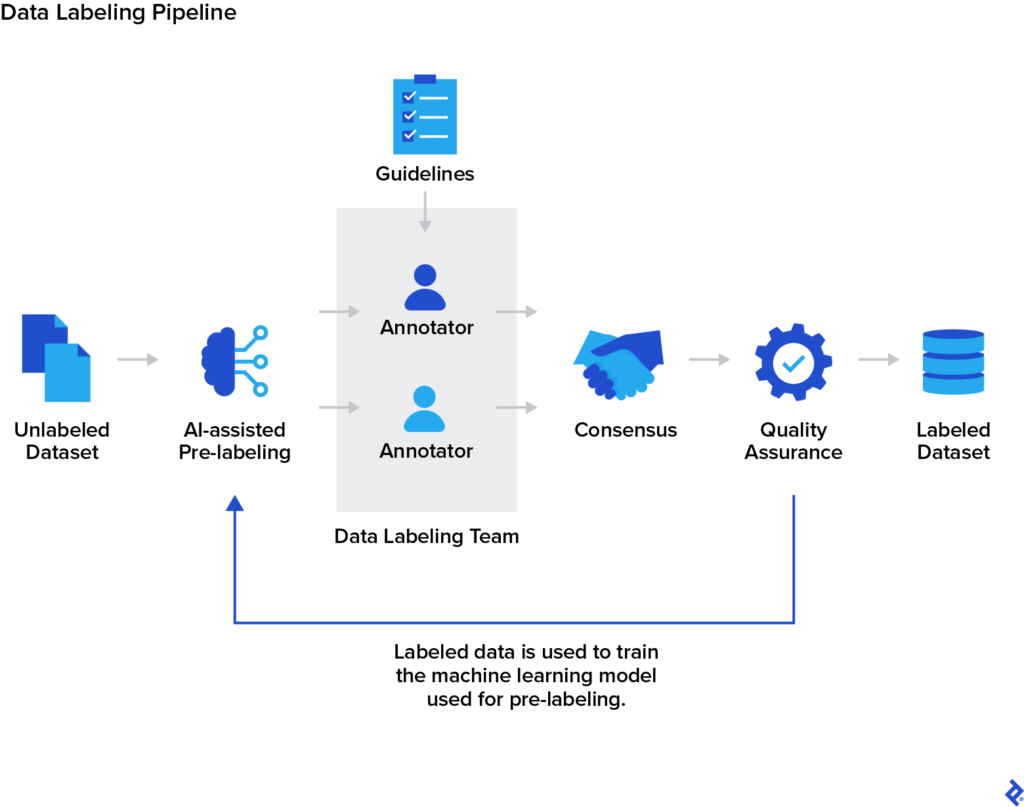
Step One Data Submission Or Sourcing
Businesses can submit datasets that require annotation or validation. These may include images, text, audio, or structured data.
Step Two Task Distribution To Contributors
The platform distributes data labeling tasks to a decentralized contributor network. Participants complete annotation tasks based on defined guidelines.
Step Three AI Assisted Validation
Machine learning models assist in validating contributor outputs. This hybrid model combines automation with human verification.
Step Four Quality Control Mechanisms
Multiple review layers ensure accuracy and consistency. Consensus based validation reduces error rates.
Step Five Data Delivery And Integration
Validated datasets are delivered back to businesses for integration into machine learning pipelines.
The workflow blends scalability with oversight, aiming to balance speed and data integrity.
Core Features Overview

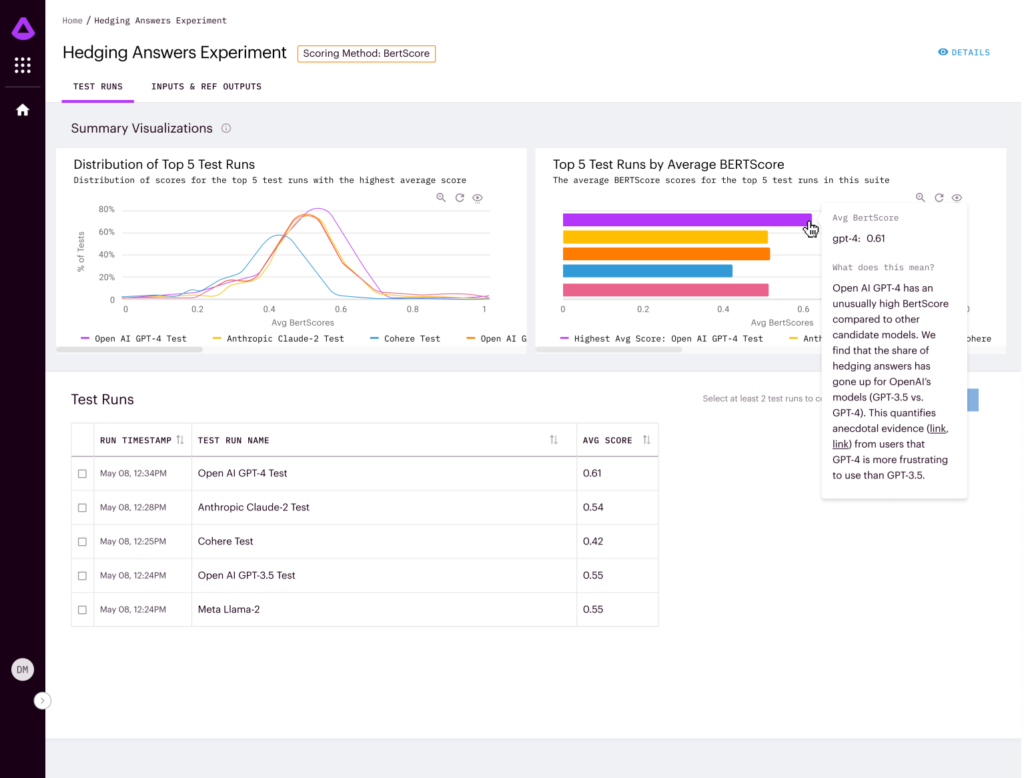
Alaya ai provides several capabilities tailored to AI driven organizations.
Decentralized Data Annotation
The platform leverages a distributed network for labeling tasks.
Why it matters: Scalability increases without relying on a single centralized workforce.
Hybrid AI And Human Validation
Automation assists with quality checks while human reviewers ensure contextual accuracy.
Why it matters: Reduces errors and improves dataset reliability.
Incentive Driven Participation
Contributors are incentivized to complete tasks accurately.
Why it matters: Structured incentives can enhance engagement and quality output.
Multi Format Data Support
The platform supports text, image, and other data types.
Why it matters: Versatility allows use across industries and AI use cases.
Each feature addresses a core requirement of modern AI development. Clean, scalable, and verified data.
Key Benefits For Users
Businesses investing in AI infrastructure prioritize measurable improvements.
Improved Data Quality
Layered validation processes enhance dataset reliability.
Scalable Annotation Capacity
Distributed contributors enable faster processing of large datasets.
Cost Efficiency
Compared to building in house annotation teams, platform based models may reduce operational expenses.
Faster Model Development
Access to clean data accelerates training and iteration cycles.
Flexible Deployment
Organizations can integrate validated datasets into existing AI pipelines.
The overarching benefit is stronger AI performance driven by better data.
Who Should Use This Software
Alaya ai is most suitable for organizations working extensively with machine learning.
AI Development Teams
Companies building predictive models benefit from reliable training data.
Research Institutions
Academic and applied research groups requiring large annotated datasets gain efficiency.
Technology Enterprises
Firms developing AI powered products can scale data collection efforts.
Startups In AI Driven Industries
Emerging companies building AI solutions need cost effective data annotation options.
Organizations without active AI development initiatives may find limited direct use for the platform.
Use Cases And Real World Scenarios
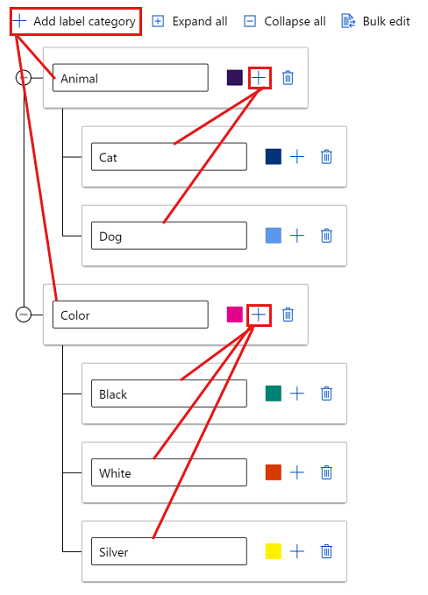
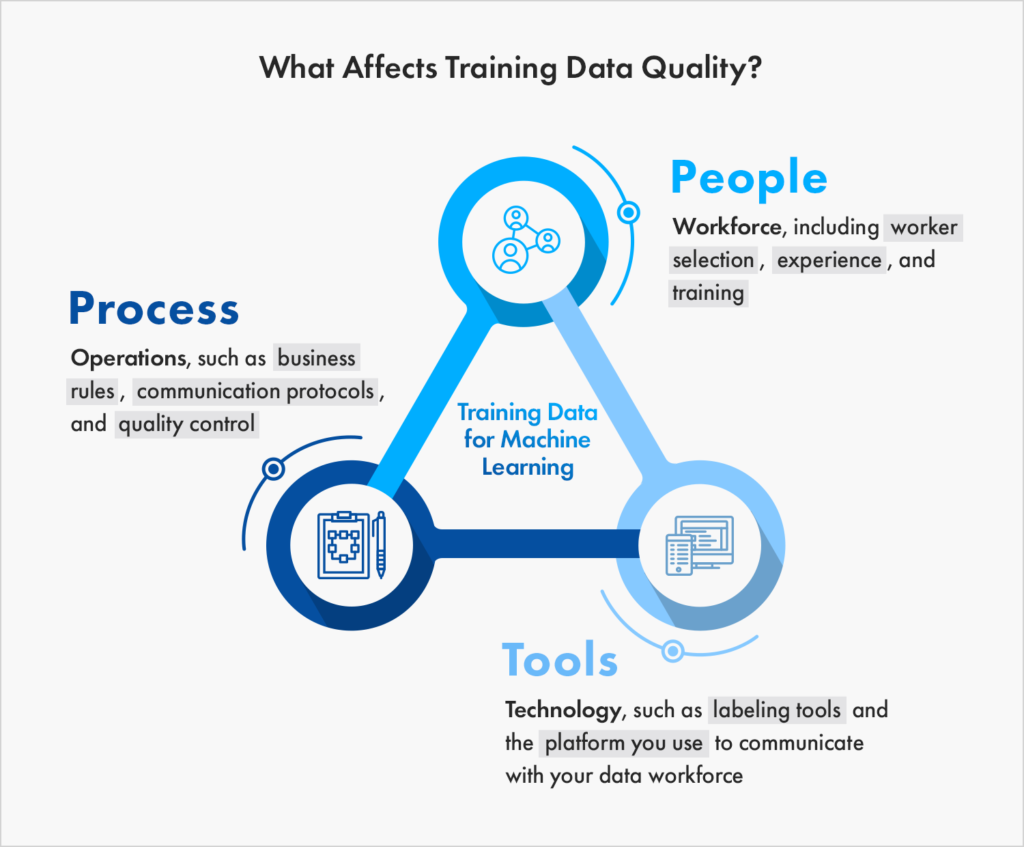
Scenario One Computer Vision Model Training
A technology company developing image recognition software requires thousands of labeled images. Alaya ai distributes annotation tasks and applies validation layers.
Result: Faster dataset preparation and improved model accuracy.
Scenario Two Natural Language Processing Project
A startup building sentiment analysis tools needs labeled text data. The platform coordinates contributor annotation and ensures quality control.
Result: Accelerated model refinement.
Scenario Three Large Scale Data Validation
An enterprise updating an existing AI model requires revalidation of historical data. Alaya ai assists with distributed quality checks.
Result: Reduced internal workload and enhanced reliability.
These scenarios demonstrate practical value in AI development pipelines.
User Experience And Interface
Data platforms must balance complexity with usability.
Alaya ai offers dashboards that allow businesses to submit tasks, track progress, and review validation metrics. The interface is structured to support project management and quality monitoring.
The learning curve depends on technical familiarity with AI workflows. Data teams adapt quickly, while non technical stakeholders may require onboarding support.
Clear reporting tools support transparency and accountability.
For organizations managing large scale datasets, visibility into annotation progress is critical.
Pricing And Plans Overview
AI data platforms typically use customized pricing models based on task volume, data type, and validation complexity.
Alaya ai may structure pricing around dataset size, annotation requirements, and service level agreements.
Businesses should evaluate cost relative to in house staffing and outsourcing alternatives. In many cases, platform based annotation reduces overhead.
Pilot projects can help organizations assess quality, turnaround time, and overall return on investment.
Pricing transparency and scalability should be key evaluation criteria.
Pros And Cons
A balanced alaya ai review includes both strengths and considerations.
Pros
Scalable decentralized annotation
Hybrid AI and human validation
Supports multiple data formats
Potential cost efficiency compared to in house teams
Structured quality control processes
Cons
Dependent on contributor network performance
May require integration effort with existing pipelines
Best suited for organizations with active AI initiatives
Companies should align adoption with clear data objectives.
Comparison With Similar Tools
Alaya ai operates alongside data annotation and AI infrastructure platforms such as Scale AI and Labelbox.
Scale AI focuses on enterprise level data labeling services with centralized management.
Labelbox provides tools for dataset management and annotation workflows.
Alaya ai differentiates itself through its decentralized contributor model and incentive driven ecosystem.
Organizations should evaluate scalability, validation rigor, and cost structure when comparing options.
Buying Considerations For Decision Makers
Before adopting alaya ai, businesses should assess several factors.
Data Volume And Complexity
Large and complex datasets benefit most from scalable annotation systems.
Quality Standards
Ensure validation processes align with internal performance benchmarks.
Integration Requirements
Confirm compatibility with existing machine learning pipelines and storage systems.
Long Term AI Strategy
Adopt platforms that align with projected growth in AI initiatives.
Reviewing SaaS case studies that highlight improved model accuracy or faster deployment can support internal approval processes.
Security Privacy And Compliance
Data security is critical when handling proprietary datasets.
Businesses should review encryption protocols, data access controls, and retention policies before uploading sensitive information.
Organizations operating under regulatory frameworks must ensure compliance alignment.
Transparent governance practices strengthen enterprise confidence.
Support And Documentation
Reliable support ensures smooth onboarding and project execution.
Alaya ai provides documentation and customer support resources to assist with task setup and integration.
Enterprises may seek dedicated account management for large scale deployments.
Comprehensive documentation reduces implementation friction and enhances productivity.
Final Verdict
This alaya ai review highlights a specialized platform focused on improving the foundation of AI systems. Data quality.
Its strengths lie in decentralized annotation, hybrid validation processes, and scalable dataset management. For organizations building AI driven products, access to verified and structured data is essential.
Alaya ai is best suited for enterprises, startups, and research teams actively developing machine learning solutions.
Businesses without data intensive AI initiatives may find limited direct value.
For organizations in Tier One markets aiming to strengthen AI performance through reliable data infrastructure, alaya ai represents a strategic and forward looking investment.
Frequently Asked Questions
Is Alaya AI Suitable For Non Technical Businesses
It is primarily designed for organizations involved in AI model development.
Does Alaya AI Replace Internal Data Teams
It can supplement internal teams by scaling annotation and validation tasks.
What Types Of Data Does Alaya AI Support
The platform supports multiple formats including text and images.
Is Alaya AI Scalable For Enterprise Projects
Yes. The decentralized model supports large scale annotation efforts.
Does Alaya AI Improve Model Accuracy
Improved data quality can contribute to stronger model performance when integrated properly.