Cast AI Review What Cloud and DevOps Teams Should Know

Cloud costs continue to rise as infrastructure becomes more complex. Kubernetes environments scale dynamically. Multi cloud strategies introduce additional overhead. DevOps teams are under constant pressure to improve performance while reducing spend.
Cast ai enters this landscape with a focused promise. It helps cloud and DevOps teams automatically optimize Kubernetes infrastructure for cost efficiency and performance. Rather than relying on manual resource tuning, cast ai uses automation to continuously adjust workloads in real time.
For organizations in the United States, United Kingdom, Canada, and Australia, where cloud spend can represent a significant portion of operational budgets, optimization is not optional. It is strategic.
If you are evaluating ways to reduce Kubernetes costs without sacrificing reliability, this review will provide a practical and balanced analysis of cast ai.
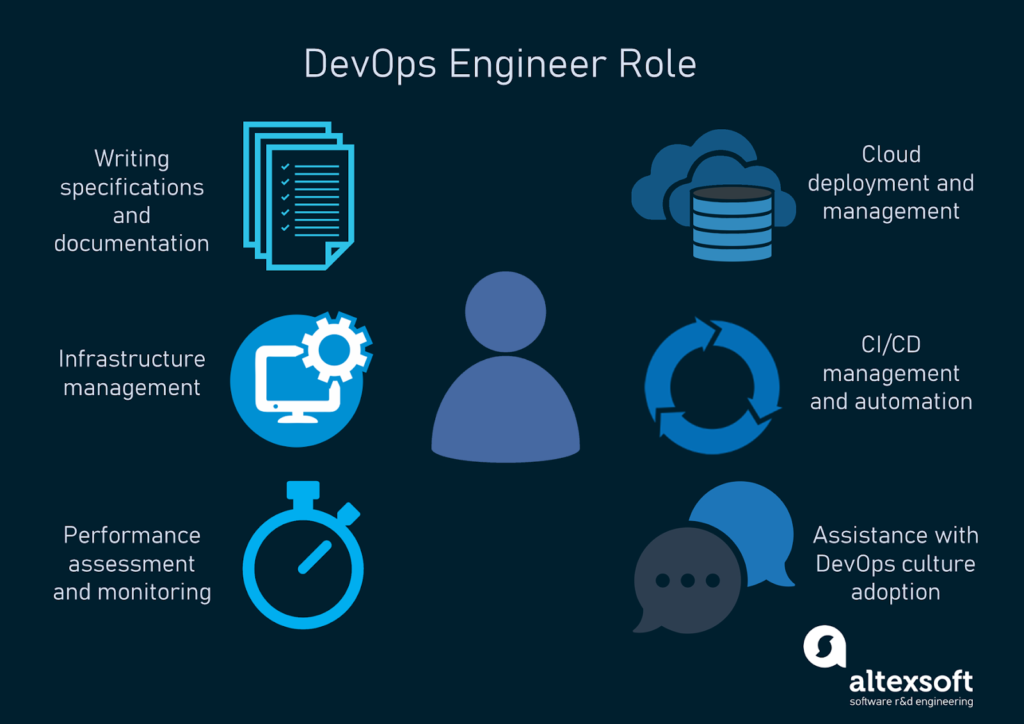
What Is Cast AI
Cast ai is a cloud optimization platform designed to automate Kubernetes cost management and infrastructure efficiency. It integrates directly with Kubernetes clusters and cloud providers to continuously analyze resource usage and adjust capacity.
The platform focuses primarily on containerized environments. It supports teams running workloads across major cloud providers and aims to reduce infrastructure waste while maintaining performance and reliability.
Within the broader SaaS ecosystem, cast ai sits at the intersection of cloud cost management tools and Kubernetes automation platforms. Unlike static cost reporting tools, it does not simply provide visibility. It actively optimizes.
This positioning makes cast ai particularly relevant for DevOps teams managing dynamic containerized workloads where overprovisioning often leads to unnecessary expenses.
How Cast AI Works
Understanding how cast ai operates is essential for technical decision makers.
Cluster Integration
The process begins with connecting Kubernetes clusters to the platform. Cast ai integrates securely with your cloud environment and collects workload data.
Real Time Analysis
The system continuously analyzes node utilization, pod scheduling patterns, and performance requirements. It identifies opportunities to right size instances or adjust capacity.
Automated Optimization
Instead of relying on manual intervention, cast ai automatically provisions and deprovisions instances based on workload needs. It selects the most cost effective instance types while maintaining service level objectives.
Continuous Monitoring
Optimization is ongoing. As workloads change, the platform adapts infrastructure accordingly.
For DevOps teams, this reduces the need for constant manual tuning while improving overall infrastructure efficiency.
Core Features Overview
Cast ai focuses on automation and measurable cost reduction.
Automated Node Provisioning
The platform dynamically provisions nodes based on workload requirements. This prevents overprovisioning and underutilization.
Instance Type Optimization
Cast ai evaluates multiple instance types to determine the most cost effective configuration. It balances price and performance rather than defaulting to standard instance families.
Spot Instance Management
The system can leverage spot instances while maintaining workload stability. Intelligent orchestration reduces risk associated with interruptions.
Multi Cloud Support
Organizations operating across providers benefit from centralized optimization visibility and control.
Each feature contributes to a single objective. Reduce cloud costs while preserving application reliability.
Key Benefits For Cloud And DevOps Teams
Reduced Cloud Spend
The most obvious benefit is lower infrastructure costs. Automated optimization can eliminate idle capacity and inefficient configurations.
Improved Resource Utilization
By continuously adjusting infrastructure, cast ai increases overall resource efficiency across clusters.
Less Manual Intervention
DevOps engineers spend less time resizing nodes or evaluating instance types manually. Automation handles these adjustments.
Scalability
As workloads scale, optimization scales with them. The platform supports growing environments without requiring proportional increases in operational effort.
For organizations running large Kubernetes deployments, these benefits can translate into substantial operational savings.
Who Should Use Cast AI
Cast ai is best suited for:
• DevOps teams managing Kubernetes clusters
• Platform engineering teams
• Cloud infrastructure architects
• Organizations with significant containerized workloads
• Companies operating in multi cloud environments
Small teams with minimal Kubernetes usage may not realize the full value. However, for mid size and enterprise environments with dynamic workloads, cast ai aligns closely with operational needs.
Industries such as technology, ecommerce, fintech, and SaaS are particularly strong candidates.
Use Cases And Real World Scenarios
High Traffic Application Scaling
An ecommerce platform experiences fluctuating traffic. Cast ai dynamically adjusts node capacity during peak periods and scales down during low demand.
Cost Optimization Initiative
A SaaS company conducting a cloud cost audit implements cast ai to reduce overprovisioned Kubernetes clusters.
Multi Cloud Governance
An enterprise operating across multiple providers uses cast ai to standardize Kubernetes optimization strategies.
These scenarios highlight how cast ai moves beyond cost visibility into automated infrastructure efficiency.
User Experience And Interface
Technical platforms must balance complexity with clarity.
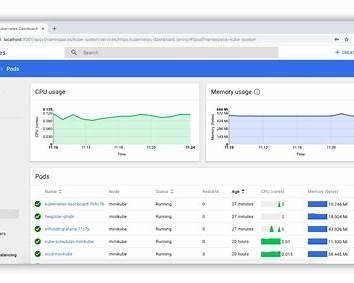
Cast ai provides a dashboard focused on cost visibility, cluster health, and optimization recommendations. Engineers can monitor performance metrics and savings impact in a centralized interface.
The learning curve is moderate. While integration requires coordination with infrastructure teams, daily usage is straightforward once deployed.
For DevOps professionals accustomed to Kubernetes tooling, the interface aligns with familiar operational concepts.
Pricing And Plans Overview
Cast ai typically structures pricing based on cluster size or resource usage. Since savings potential varies by environment, pricing should be evaluated alongside projected cost reductions.
Teams should assess:
• Number of clusters
• Workload scale
• Cloud provider mix
• Expected optimization savings
In many cases, the platform aims to generate savings that exceed subscription costs. However, results depend on existing infrastructure efficiency.
Pros And Cons
Pros
• Automated Kubernetes optimization
• Real time cost reduction focus
• Multi cloud flexibility
• Reduced manual infrastructure tuning
• Strong alignment with DevOps workflows
Cons
• Primarily focused on Kubernetes environments
• Requires trust in automation decisions
• Savings depend on current optimization baseline
Organizations not using Kubernetes may find limited relevance. For containerized environments, however, cast ai addresses a critical operational challenge.
Comparison With Similar Tools
Cast ai competes with cloud cost visibility platforms and Kubernetes optimization tools.
Traditional cost management platforms provide reporting and recommendations but may not automate execution. Cast ai differentiates itself by actively managing infrastructure adjustments.
Some Kubernetes native autoscaling tools offer scaling capabilities, but they may not optimize across instance types or focus specifically on cost efficiency.
An alternative might be preferable when:
• A team only requires cost reporting without automation
• Kubernetes usage is minimal
• Internal tooling already provides sufficient optimization
For organizations seeking automated cost efficiency in Kubernetes environments, cast ai offers a more proactive approach.
Buying Considerations For Decision Makers
Before adopting cast ai, decision makers should evaluate several factors.
Existing Cloud Spend
Higher cloud spend typically increases optimization potential. Organizations with already optimized clusters may see smaller gains.
Internal Governance
Automation requires confidence in system driven decisions. Teams should review guardrails and override capabilities.
Integration And Security Review
Security teams should validate permissions and access levels during cluster integration.
Long Term Strategy
Cloud optimization should align with broader infrastructure and platform engineering goals.
Careful evaluation ensures that cast ai supports strategic objectives rather than functioning as a short term experiment.
Security Privacy And Compliance
Infrastructure level automation requires strong security controls.
Cast ai integrates with Kubernetes clusters using defined access permissions. Organizations should review documentation regarding:
• Role based access controls
• Data handling practices
• Compliance alignment with internal policies
Enterprises operating in regulated sectors should conduct a formal security assessment before deployment.
Support And Documentation
DevOps teams expect detailed documentation and responsive support.
Cast ai provides technical resources, integration guides, and support channels to assist with deployment and optimization monitoring.
Response times and support levels may vary based on subscription tier. During evaluation, teams should clarify support expectations and onboarding assistance.
Final Verdict
Cast ai is a focused cloud optimization platform designed specifically for Kubernetes environments. Its strength lies in automation rather than reporting alone.
For cloud and DevOps teams managing large or dynamic containerized workloads, cast ai can deliver meaningful cost reductions while maintaining performance standards.
It may not be necessary for organizations with minimal Kubernetes usage or already highly optimized infrastructure. However, for teams seeking automated, continuous optimization, cast ai represents a practical and strategically aligned solution.
Professionals evaluating Kubernetes cost management platforms should consider cast ai as a serious contender when automation and efficiency are top priorities.
Frequently Asked Questions
Does Cast AI Replace Kubernetes Autoscaling
It enhances autoscaling by optimizing instance selection and cost efficiency rather than simply scaling capacity.
Is Cast AI Suitable For Small Clusters
It can be used with small clusters, but savings potential increases with scale and workload complexity.
Does Cast AI Support Multi Cloud Environments
Yes. It is designed to work across major cloud providers with centralized optimization.
How Quickly Can Teams See Savings
Results depend on current infrastructure efficiency. Many organizations observe measurable improvements after deployment.
Is Cast AI Difficult To Implement
Integration requires coordination with infrastructure teams, but ongoing usage is streamlined once connected.